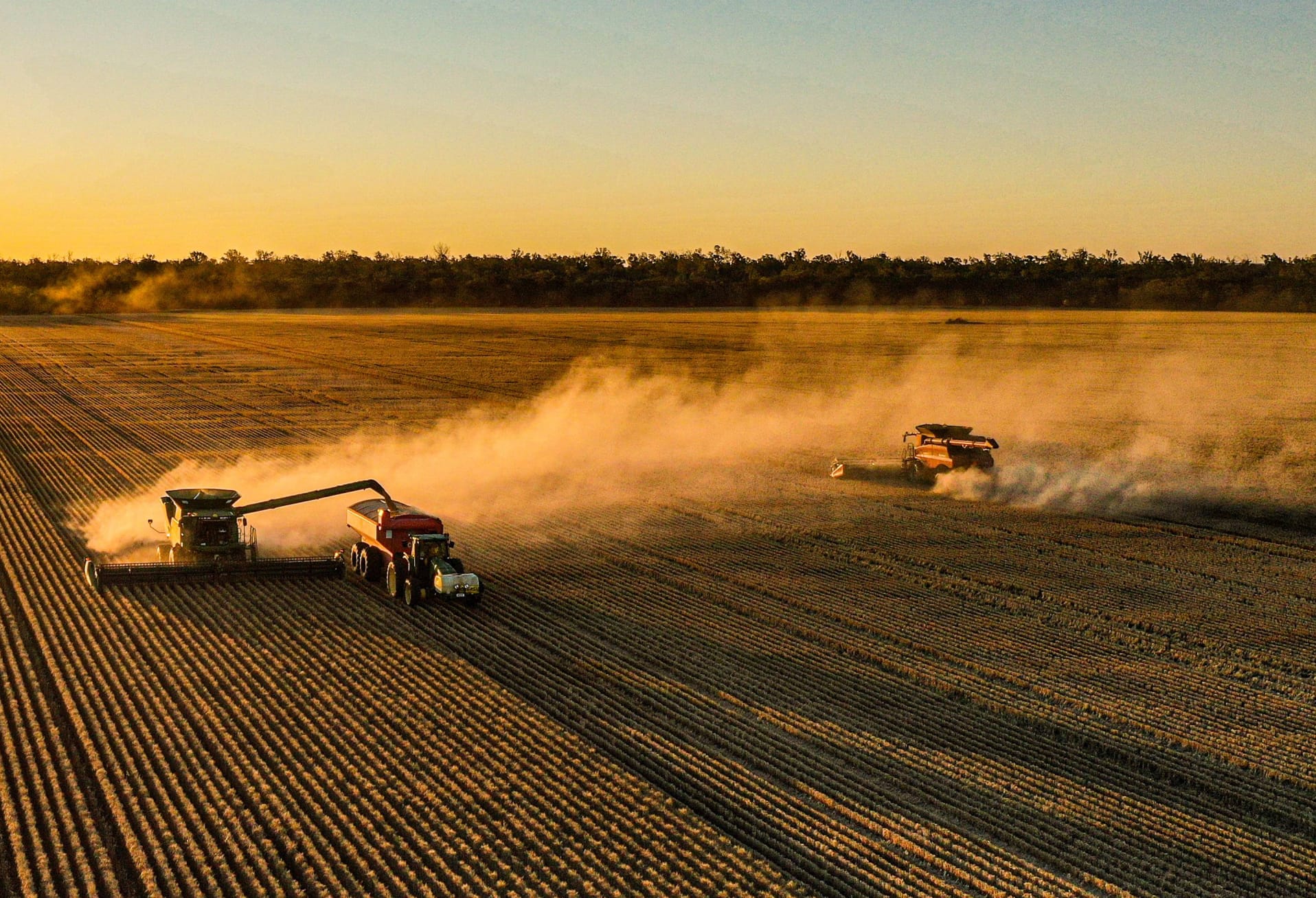


Harvest is not far away and with hot weather in the Wimmera and Mallee again last week, headers are expected to be entering paddocks sooner than they normally would.
Unfortunately, this is the second year in a row where, for many in the Mallee, harvest will start in October.
Hot conditions saw temperatures climb above 34°C last week, and while some subsequent rain fell in some areas, the benefits were minimal with many crops past the point where rain will add to yield.
The impact of hot spring days on ripening crops will vary according to the maturity of the crop.
Crops still at the critical grain fill stage have a higher risk of suffering heat damage while earlier sown crops that are post flowering and barley crops are expected to fare the best.
Results from research conducted by Australian Grain Technologies in 2010, and published by the Grains Research and Development Corporation, showed that for every day above 32°C during the trial, there was a reduction in average yields of approximately 50kg/ha (Bennett, D., 2010).
Last week growers reported some tipping (unfilled grains in the top of the head) in wheat crops that have finished flowering and the loss of many flowers from canola and legumes that will no doubt have a big effect on yield. Additionally, a number of growers reported pod loss in lentils.
The wind that has accompanied some of the hot weather this month has also had an impact, with damage to barely crops in particular.
To try to gain a better understanding about how the risk of heat, and frost, varies according to when a crop matures, for the past three years BCG has established an number of time of sowing field trials in both the Wimmera and Mallee regions.
The results of this research will be analysed and described in the 200-page bound 2015 BCG Research Results compendium which will distributed to members in February next year.
For more information on heat shock and the interaction between crop maturity and sowing time, or to become a BCG member, phone (03) 5492 2787.