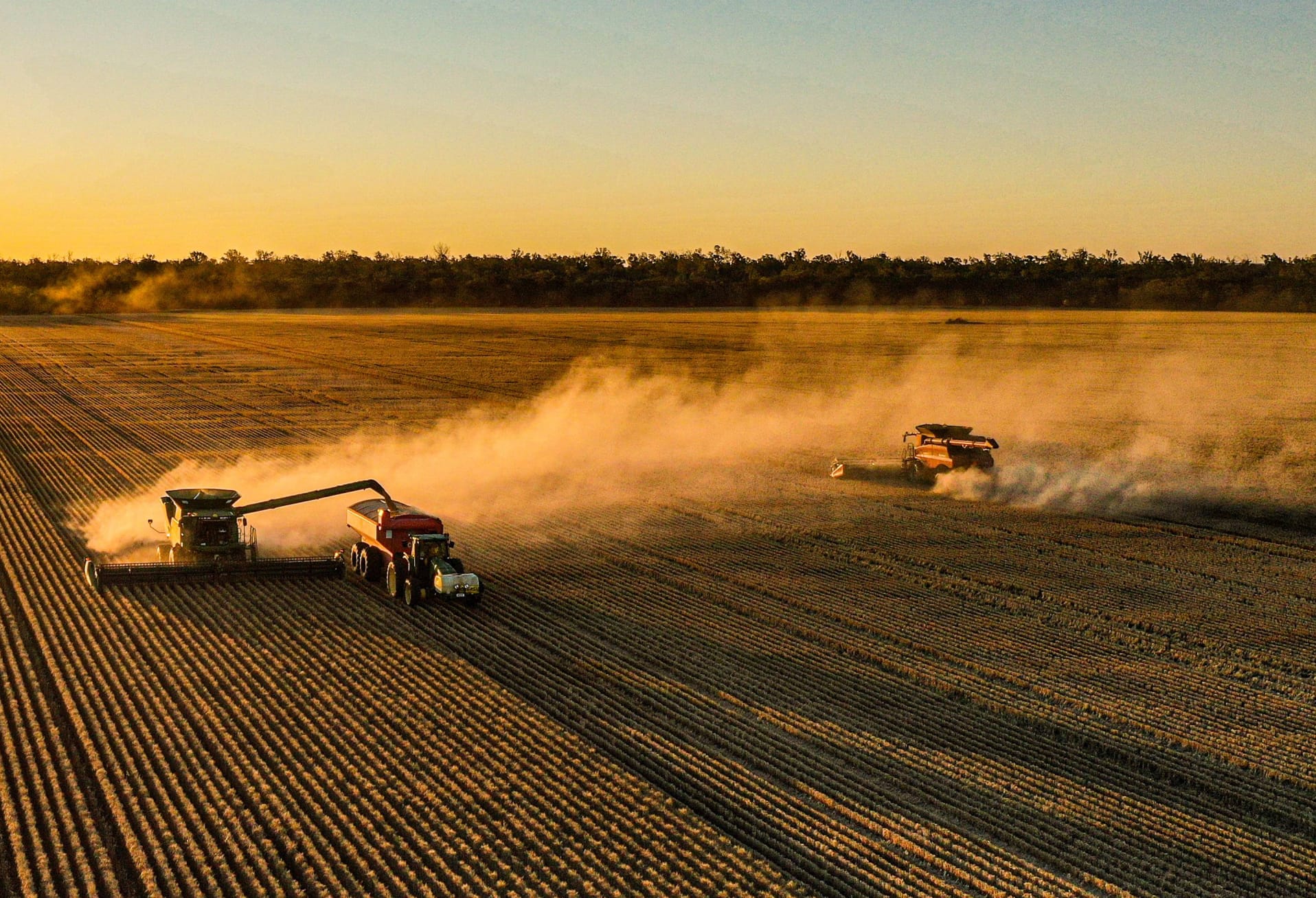
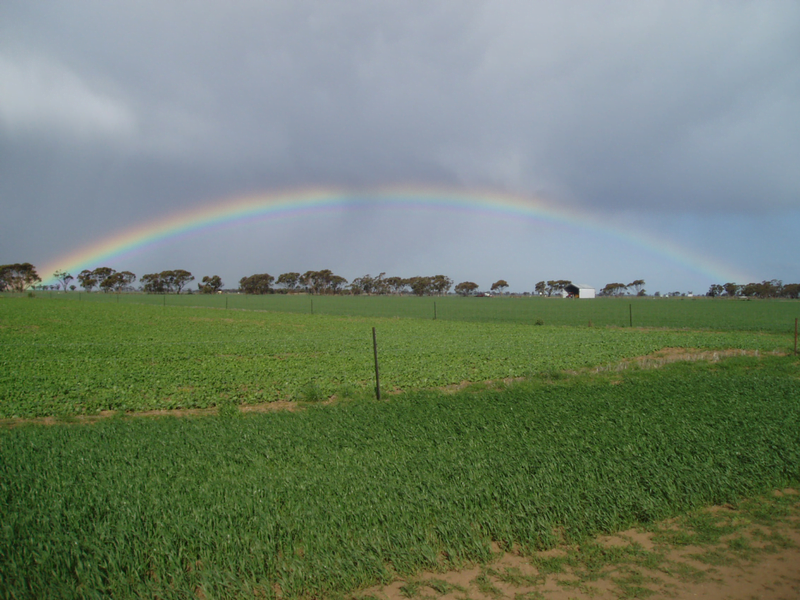

Highly variable rainfall across the Wimmera and Mallee, followed by some hot windy conditions has left growers in the thick of decision making. As harvest edges closer, many are considering the merits of following cereals through to harvest or cutting for hay.
The amount of frost and drought affected crops varies across the region, and also from paddock to paddock, so it is important to consider each crop individually. Growers need to first make a realistic assessment of their crops ability to produce harvestable grain, as well as the expected hay yield from the paddock.
When assessing paddocks, important factors to consider include how seriously the grain yield has been affected by drought and/or frost, potential hay yield as well as marketing options for both grain and hay.
Grain yield estimates can be based on previous experience, crop simulation models such as Yield Prophet® and basic water use efficiency models. Hay yield can be estimated by determining the amount of fresh material at the height hay will be cut, and then accounting for moisture and baling losses. Usually around 20-30% of fresh weight will make it into the bale. Be sure to repeat the calculation at a number of locations across the paddock.
According to Darren Keating from the Australian Fodder Industry Association (AFIA), the outlook for hay in 2015 is positive with export and domestic buyers securing hay now, indicating that supply, particularly of quality hay will be short in the next six to twelve months, coupled with an expected decrease in cereal hay harvest compared with last season.
“Quality will still be a major determinant of pricing, and therefore storage length and conditions need to be accounted for. If you have more bales than available storage, options such as hay caps may be worth investigating to maintain fodder quality,” Mr Keating said.
Working through the costs of cutting for hay rather than taking the crop to harvest will minimise uncertainty around the economics of cutting hay, and help growers make the decision. Dependent on your available resources, costs may include windrowing ($50/ha with super conditioner), raking ($8-$12/ha), baling ($17/ha), loading, stacking and capping ($2-4/bale).
The current hay prices are between $245-$250/t for vetch hay, $210-$230/t for cereal/vetch mix, and $180/t for cereal hay. Remember, hay prices can be volatile, so be prepared to store hay once you commit to cutting. Finally, as always, ensure payment. Make sure payment options are decided prior to committing to sell or sell through a company which guarantees payment.
There is no hard and fast rule or equation which can make the decision for you, the only method is to do the math and determine the best option for your farm business. The decision to cut for hay may not be the most enjoyable but confidence can be found in knowing and considering the options.