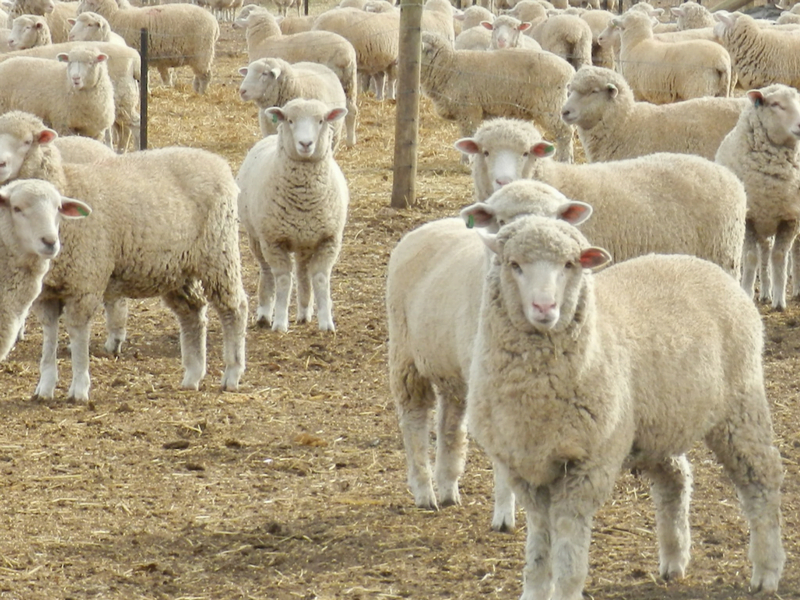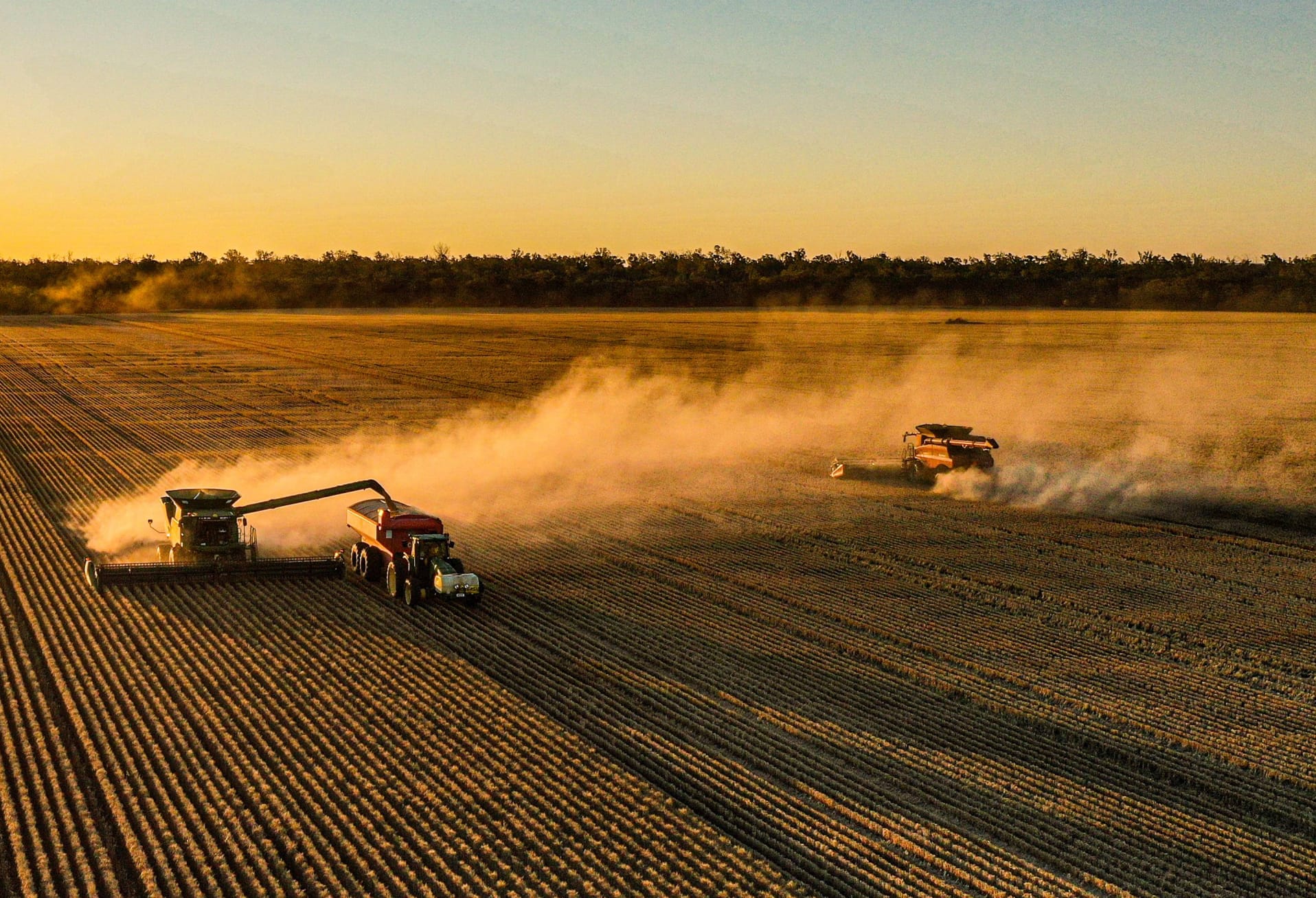


An ongoing challenge farmers face is the integration of cropping and livestock enterprises, with recent research showing growers integrating them well are achieving almost 30% of turnover as net profit, while the remaining 80% of producers are retaining less than 10%.
Through the Meat & Livestock Australia (MLA) project ‘The profitable integration of cropping and livestock in southern Australia’, three years of mixed enterprise financial and production data was collected from 100 farms, which showed that 20% of farms were consistently achieving results better than the remaining 80%.
For a mixed farm to operate at its full potential, the two components (livestock and cropping) need to work better than the individual components alone. Therefore, RMCG principal Adrian Kennelly explained that mixed farming businesses need to seek synergies between the two.
“What growers are looking for are win/win situations, for example livestock used to optimise gross margins on high frost risk land, fill a feed deficit by grazing crops, use pulse stubbles to finish lambs, or use grazing to manage stubble loads,” Mr Kennelly highlighted.
And while this may sound simple Mr Kennelly understood that this is not necessarily the case.
“There are a range of potential tensions between cropping and livestock enterprises. These often relate to the timeliness of operations or competition for a common resource, including your own time and brain space.”
There are four areas that interact to achieve profit outcomes, and if one of these are overlooked it will compromise long term profit potential at some point:
- Gross margin optimisation (operational)
- Low cost business model (structural)
- People management
- Risk management
Mr Kennelly identified in the results that there were some key points the top 20% of mixed farmers were doing.
“The top 20% of businesses spend 40% of their crop income on variable costs, $30/t of wheat yield on fertiliser and $25/t of wheat yield on chemicals. For livestock, the top 20% earned $12/DSE (or 20%) more than the remaining 80% from a similar investment in variable costs. It’s not so much what you spend, but how you spend it.”
More results from this project can be found in the ‘Profitable integration of cropping and livestock management guideline – Northern Victoria’ project which is available by contacting RMCG on [email protected], or calling 03 5441 4821.
This article was published in the Stock and Land, 5 April 2018.