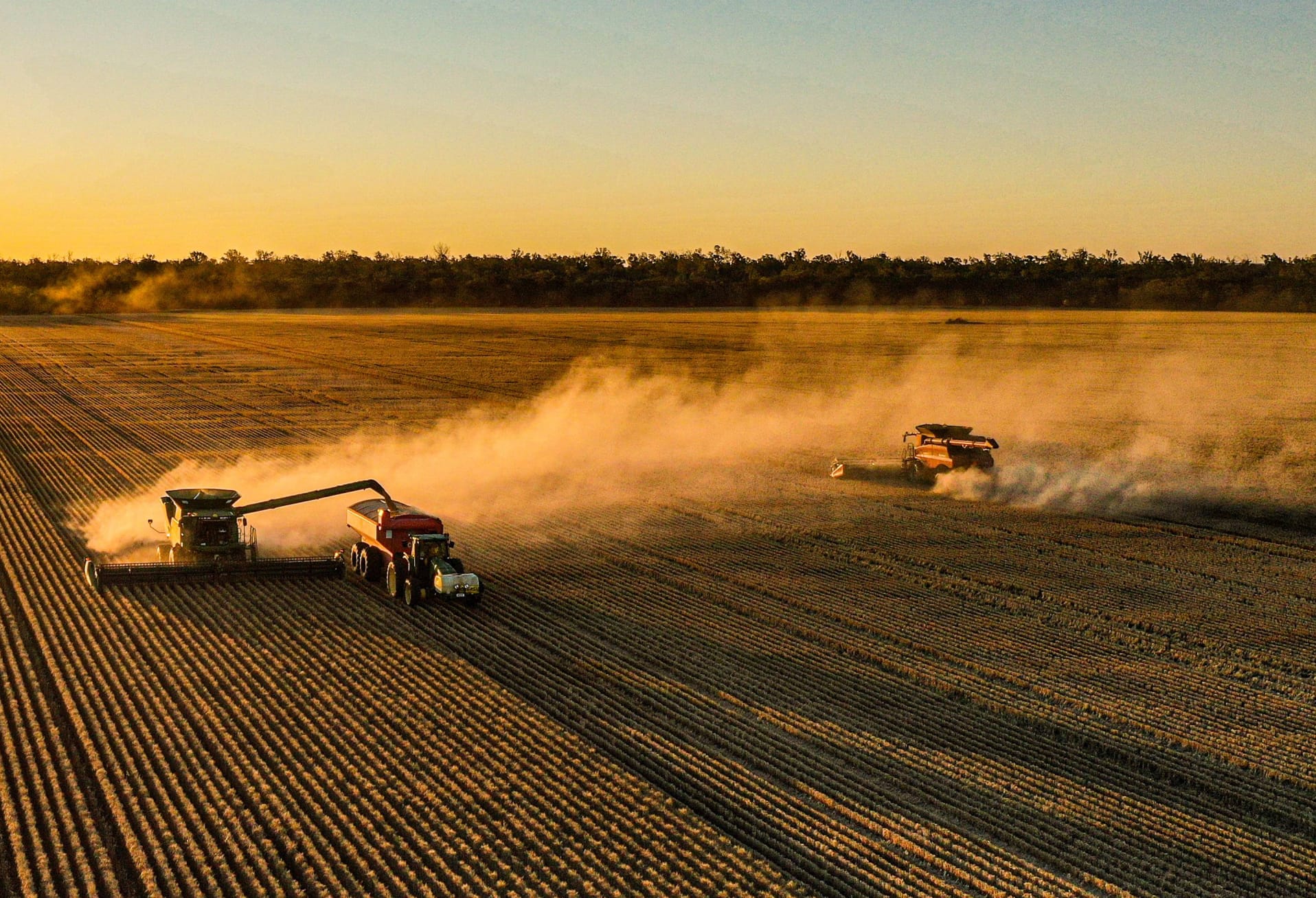


Welcome rain across the Wimmera and Mallee last week has injected enthusiasm and confidence into grain growers, providing insurance that crops have a better chance of reaching yield potential. More importantly, it allows growers to get a good knockdown of volunteers prior to cropping.
With some growers lucky to have a few paddocks sown before the rain, now is the time to reassess rotations ensuring the ratio of cereals to break crops is adequate.
BCG research has found that wheat consistently yields more following a broadleaf break crop than following wheat or a long-fallow.
BCG research trials coordinator Claire Browne said if growers are considering changing rotations to include higher risk crops such as canola, prioritise these paddocks with high soil moisture.
Ms Browne said that soil tests are worth their weight in gold as they provide you with an understanding of soil moisture and nitrogen status. This knowledge allows growers to refine their fertiliser strategy as rain falls and risks change throughout the season.
“As a rule, paddocks need 50mm of plant available water and above 80kg of soil nitrogen to grow canola,” she said.
On average, 5mm of rain will travel down 10cm in sandy soils, whereas 5mm only moves down about 2.5cm in a clay soil. Additionally, water use efficiency is higher if there is stored soil water.
Aside from spreading production risk by including break crops in the rotation, additional benefits include subsequent wheat yield increases and weed and disease breaks allowing for changes in chemical modes of action.
With growers currently utilising pre and post emergent herbicides, strategic selection of pre-emergent herbicides is imperative. Match the pre-emergent herbicide to the weed profile of each paddock, as well as the stubble load and position (standing or slashed). For example, using pyroxasulfone (Sakura group K) to patch out problem ryegrass areas.
Recent rainfalls and where more than 140mm has fallen over summer, the risk of herbicide plant backs being an issue is low in 2014.
BCG begun its 2014 research program on April 1 by sowing an early wheat trial at Quambatook. To become a BCG member and learn about research projects and results, phone BCG on (03) 5492 2787.