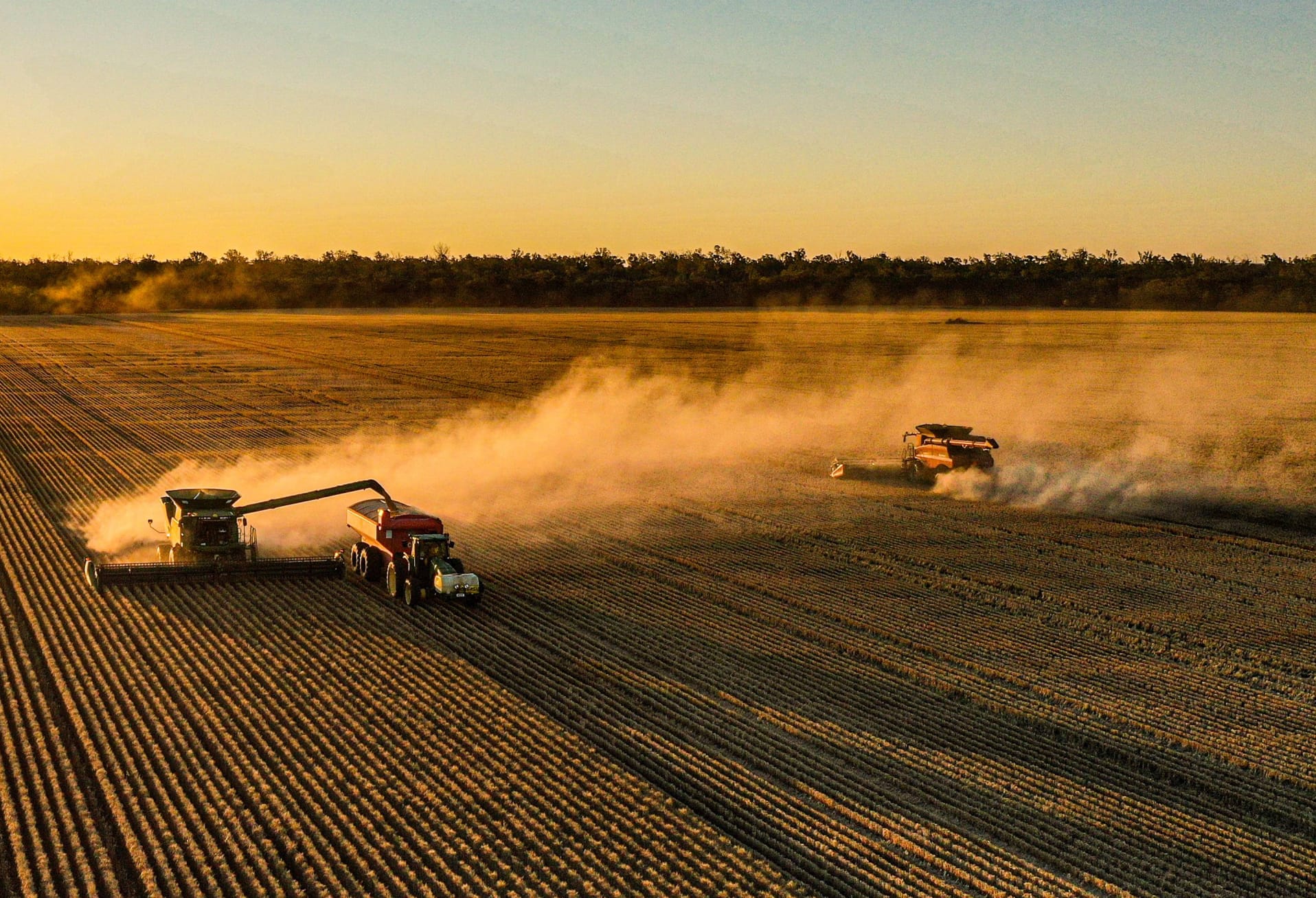
The 2022 cropping season finished in unprecedented weather conditions. Victoria experienced significant flooding from October 2022 to January 2023 due to higher-than-average rainfall. This was driven by the concurrence of La Niña and a negative phase of the Indian Ocean Dipole (IOD) throughout 2022, and a positive Southern Annular Mode (SAM) in the spring and summer months of 2022. Rainfall peaked in October, which was the wettest October on record for Victoria. Higher rainfall and cooler spring and summer temperatures led to a soft finish for the cropping season, prolonging harvest of BCG trials into the second week of January 2023. As a result of the wetter spring and summer, crop yields generally exceeded expectations across the district due to optimal soil moisture.
Some growers also reported higher than expected nitrogen levels in summer soil testing compared to other years. This is attributed to increased microbial activity and nitrogen mineralisation from good moisture conditions during spring and early summer.
As sowing began, often into high stubble loads, growers took particular interest in the weather and climate indicators which showed signs that an El Niño may form in winter and the IOD was neutral. Growers were urged to be cautious and focus on what stored water they had.
The wet spring in 2022 also meant crops sown into high stubble loads were at risk from large numbers of snails and slugs, especially in the Wimmera. The pests were still breeding in late November in some regions, further increasing the risk in 2023.
By early April, all five models suggested a positive IOD event may develop in June. The following advice was given in a BCG Technical Bulletin in April:
“Given the uncertainty of where things may land, growers are advised to manage crops in line with stored water and have a series of options in play rather than just averages so that you can be nimble when outlooks have greater reliability.”
By late April, growers were still waiting on a break and didn’t receive significant rainfall until late May, resultingin variable crop establishment for some crops.
June brought rainfall, allowing crops to finally access excellent subsoil moisture, and many regions enjoyed deciles in the seven to 10 range. The first frosts of the season occurred, and a quiet optimism about where things were sitting for the season developed
Early Pest Pressure
Slug damage was high in isolated areas. Red Legged Earth Mite and lucerne flea still required management in regions that are known to have issues. Initial fears of a mouse plague based on early monitoring didn’t eventuate.
Black keeled slugs were causing damage in July, particularly where management was compromised due to inability to get onto paddocks to spread bait. No crop type was safe, and growers learned they are a pest that needs ongoing management.
Disease
Growers were on disease alert by July, largely due to high disease loads in 2022 and green bridges over summer.
Net form of net blotch (NFNB) was present in barley and Septoria tritici blotch (STB) in wheat. Fungicide plans were being enacted where risk was greatest and growers were more aware of the critical timings for management following advice from plant pathologists and researchers to ‘mind the gap’.
Blackleg levels in canola were very high in some Wimmera crops due to high pressure and early sowing, and powdery mildew in wheat was reported in the Mallee about two weeks earlier than in 2022.
August
Herbicides and insecticides were costly, as was urea which was also scarce. This situation had growers analysing yield potential to justify investment. With the support of products like Yield Prophet®, growers were able to prioritise paddocks with the lowest nitrogen status or highest yield potential.
September
Pressure from some diseases, such as STB, was significantly than normal for the rainfall zones they were located in. At the BCG Main Field Day at Kinnabulla, FAR Managing Director Nick Poole declared he’d never seen so much NFNB in the Mallee. Despite rainfall being lower than the previous year, crop canopies were moist enough and showers frequent enough to keep growers on edge managing disease.
Livestock markets became a pain point due to sliding cattle and sheep prices brought about by the combination of several factors in Australia and overseas. Producers were challenged to decide the best course of action to manage their flocks in the face of low returns.
September was warm and dry, and some regions experienced mild frosts. In both the Mallee and Wimmera, in some cases plant available water was running out and some growers made the decision to cut crops for hay. The Wimmera region’s soil moisture probe network indicated a lot of soil moisture profiles were 50 to 75 per cent full, but rapidly drawing moisture.
Early October and on to harvest
Crops held up surprisingly well given the warm dry conditions although it was felt some top end yield was lost, particularly in wheat or later crops.
As harvest approached it started to rain. Many crops in more northern regions were probably too advanced to benefit, with the exception of wheat. Crops further south had potential for significant upside and growers wondered if they had enough nutrition to support the sudden increase in yield potential.
Once it started raining, harvest began to lengthen, and while the Mallee was largely under control, the Wimmera and North Central regions were delayed by 7–14 days compared to usual. Growers spent time prioritising the harvest of higher value crops and grain for seed. This resulted in some barley crops suffering significant quality downgrades after the second or third rainfall events (near Christmas).
In the new year, those who were lucky enough to have harvest out of the way found themselves needing to be on the sprayer as rain events continued so they could conserve the unexpected moisture delivered during harvest.