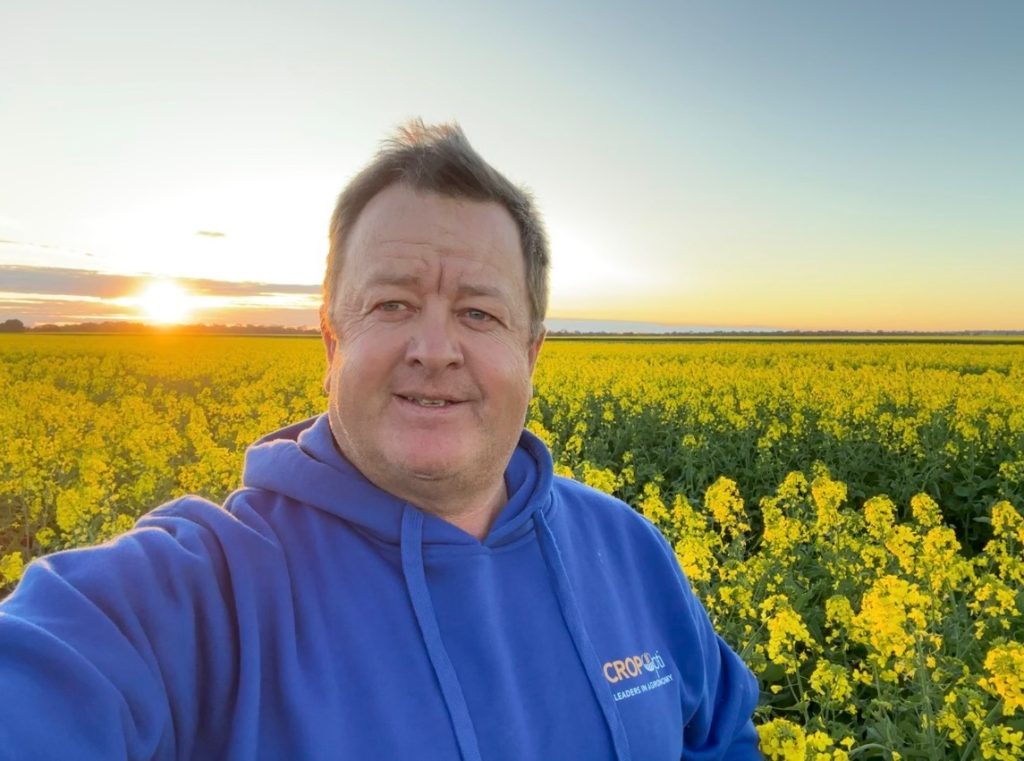
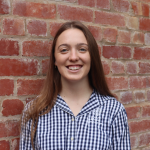
We recently caught up with Mellool farmer Tom Dunn. While there was no opportunity to cast a line and talk over a few Murray cod on this occasion, it’s something we’ll save for next time.
Tell us about yourself, where you grew up, how you came to the farm, and what your role is today.
I grew up on our family farm at Mellool and have always been involved in the operation. Over the years, I’ve seen the farm evolve as we’ve adapted to changing seasons and markets. Today, I work alongside my family across the cropping, livestock and Murray Cod farm, with a strong focus on the fish ponds and the day to day management they require.
What does your farm operation look like?
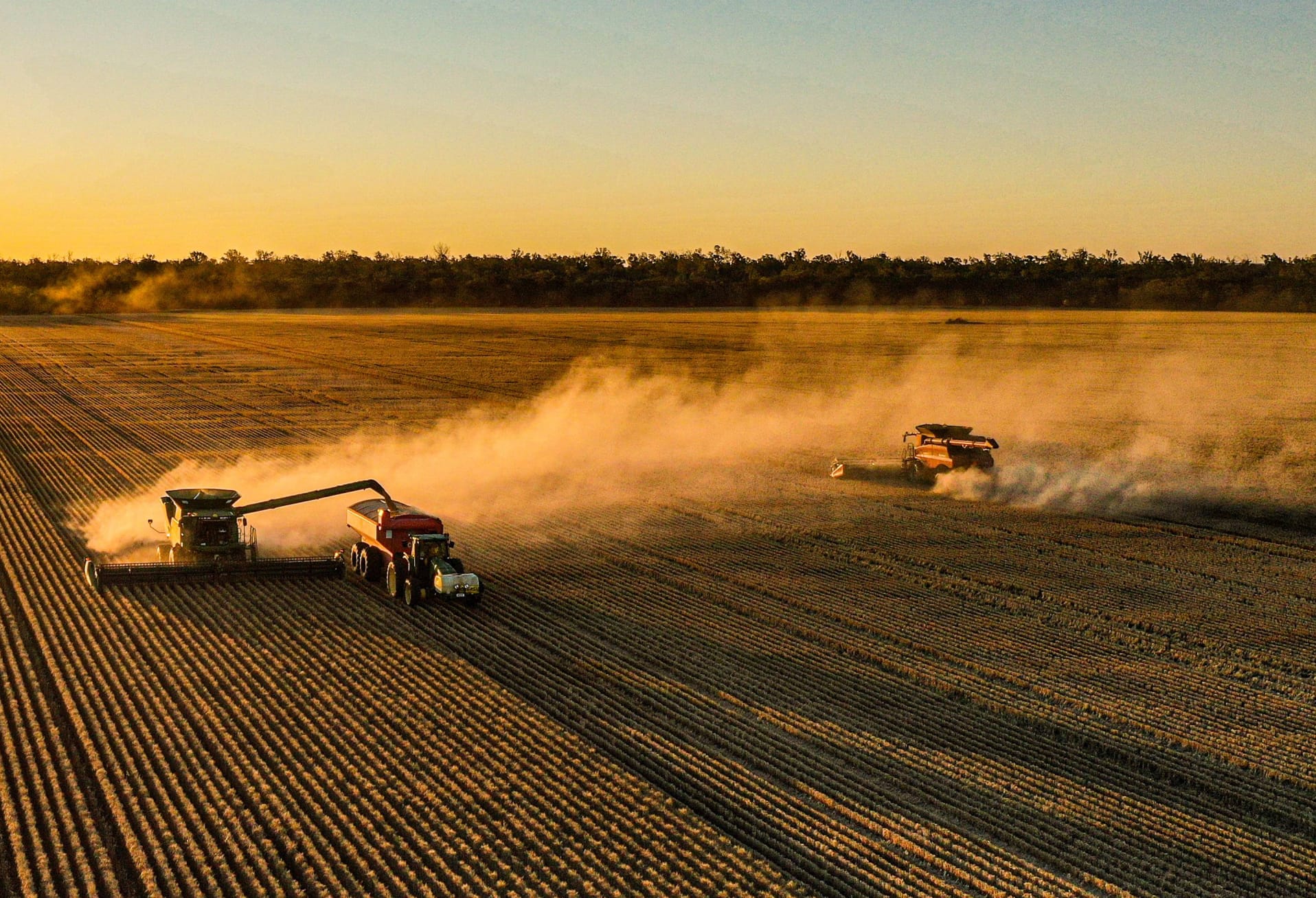
Our farm is around 6,000 hectares and is a mixed operation, including irrigated and dryland winter and summer cropping, as well as cattle and sheep. We farm rice when it’s viable, faba beans, pastures for livestock on irrigation. We farm vetch, oats, barley, wheat and field peas on dryland.
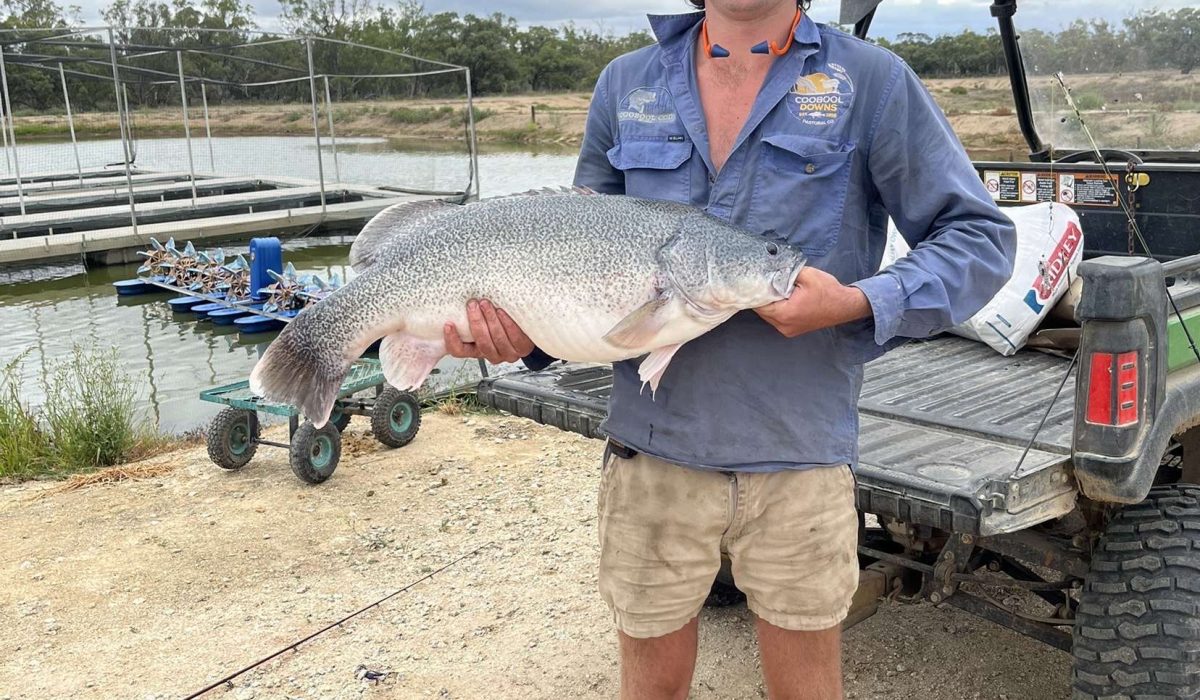
To future proof the farm, we established two Murray Cod ponds in late 2018. Each year we bring in around 20,000 fingerlings, and at any one time there can be between 60,000 and 80,000 fish in the ponds, grown out to different sizes to meet a range of markets.
How is the season shaping up on your farm?
Overall, we were happy with our 2025 season. We were lucky to receive early rainfall in May and had another decent rain in July.
Are there any practices or pieces of equipment that have made a difference to productivity or cost control on your farm?
The Murray Cod system has been a big learning curve, but technology has made a huge difference. The ponds are automated and monitored 24/7, with alerts sent straight to our phones if anything goes wrong. We’ve also installed solar and batteries to power the pumps, with a generator as backup. Water from the ponds is siphoned into our irrigation channels in autumn and reused on pastures, which improves overall efficiency.
What do you love about farming?
Farming is always changing. There’s always something new to learn. I love being able to work on the farm with family (even though it can get heated sometimes) and knowing we’re building something that can support future generations! I also love the freedom of growing up on a farm – I’m able to go camping, fishing and hunting a lot. Setting a few rods up in the Cod ponds with mates is always really fun!
Will you be attending BCG’s Young Farmer Network ball and Golf Afternoon on March 13-14?
Yes! I am actually speaking at the Young Farmer Network Ball, so I can’t give too much away. I’ve booked a cart for the golf afternoon, and I’m sure I will have a great time with mates!
Drought is an inevitable aspect of the climate we farm in. How is your farm business preparing for future droughts, or potential financial shocks within the business?
Diversification has been key for us. The Murray Cod ponds were established to create a more reliable income stream and help keep jobs on the farm, especially in tougher years. Having multiple enterprises spreads risk and helps buffer the business against seasonal variability, market shocks and events like drought, while also giving the next generation confidence there’s a future on the farm.
This project was supported by the Australian Government’s Future Drought Fund.

The Victoria Drought Resilience Adoption and Innovation Hub is a state-wide collaboration of 10 organisations.
Led by the University of Melbourne and with headquarters at UM’s Dookie Campus, the Vic Hub is a Partnership between five farming organisations (Birchip Cropping Group, Food & Fibre Gippsland, Mallee Regional Innovation Centre, Riverine Plains and Southern Farming Systems), four universities (UM, Deakin, Federation and La Trobe), and the State Government (through Agriculture Victoria).
One of eight hubs established nationally under the Australian Government’s Future Drought Fund (FDF), the Vic Hub works to enhance the drought preparedness and resilience of Victoria’s agricultural industries, the environment and regional communities, encompassing broader agricultural innovation. Engaging with a range of industry and community stakeholders, the Vic Hub links research with community needs for sustainable outcomes.