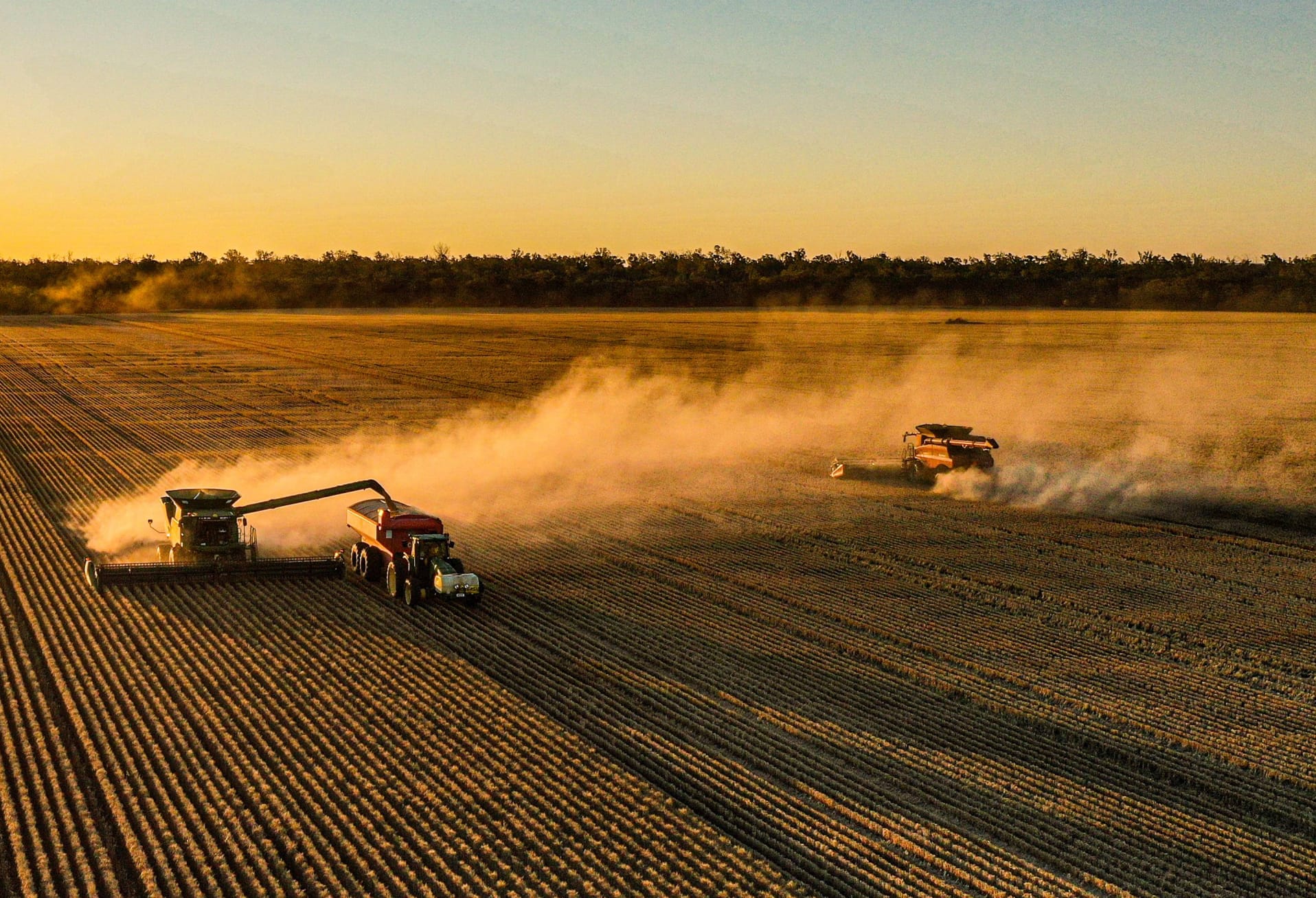
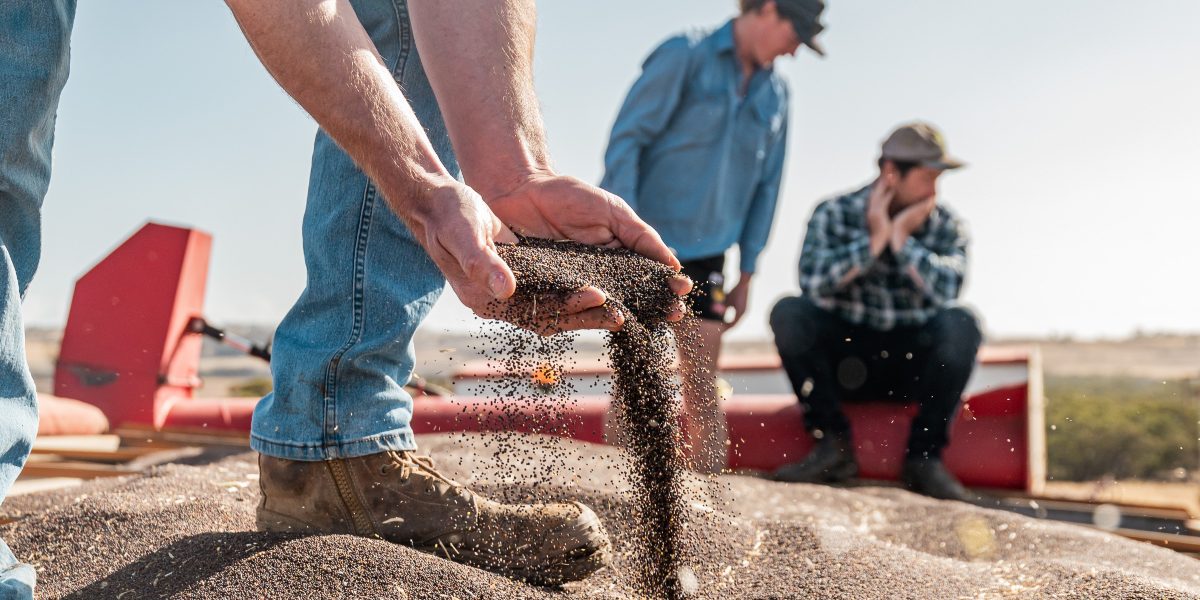

With the 2025 harvest now complete, attention is turning to planning for the 2026 season ahead. In an environment of tighter margins, rising input costs and ongoing market volatility, understanding your cash position early is critical. Even well-run farming businesses experience cashflow pressure, making forward planning essential.
While cashflow budgeting isn’t a task many enjoy, preparing a clear budget from now through to the start of the 2026 harvest can provide certainty and support better decision-making.
A well prepared cashflow budget can help you:
- identify when grain sales are required to meet upcoming expenses
- understand peak cashflow requirements and whether your overdraft will be sufficient
- pinpoint pressure points early, reducing stress and allowing time to act
Knowing these pressure points in advance also allows earlier engagement with your bank if required. This can help you “beat the rush”, as lenders are often inundated with applications later in the season.
Drawing on Planfarm’s extensive experience in cashflow budgeting and banking, several key considerations consistently stand out.
Start with your expenses rather than income. Previous years’ costs and their timing provide a solid foundation, which can then be adjusted based on your plans for the year ahead. Fertiliser and chemicals remain the largest input costs for most growers, so use your agronomist’s 2026 cropping plan to calculate total spend and timing. Consider whether changes in chemical programs or pricing will affect costs or when payments fall due.
Review your budget for non-essential expenses that could be deferred. While it’s important not to compromise production, some capital or discretionary expenditure may be able to wait until conditions improve and prices go up.
Ensure all finance commitments are accurately captured and timed correctly. Machinery repayments, in particular, can have a significant impact if missed or mis-timed in a budget.
Don’t overlook tax. Even after challenging seasons, carry over grain can increase profitability in a given financial year. Understanding potential tax liabilities, and options to manage them can materially affect cashflow.
Once expenses are clear, turn to income. Build an accurate picture of all grain available for sale, including carry over. While it can be tempting to hold grain in anticipation of improved prices, where pricing has been volatile, cashflow requirements still need to be met. Plan when income is required and which commodities are best suited to sell at those times.
Factor in logistics. Grain stored on-farm can take six weeks or more to convert into cash, so marketing decisions need to be made well ahead of when funds are required.
Finally, assess your peak cashflow position. How close will you come to your overdraft limit, and how much buffer do you have if costs rise or payments are delayed?
Although cashflow budgeting can feel time consuming, it is a critical exercise. Understanding your position early gives you more options, more control, and more confidence in the year ahead.
At Planfarm Advisory, we work with growers to better understand their businesses, key strengths, and underlying risks. We help growers understand their true profitability and spend considerable time with them to undertake cashflow budgeting early in the season so that they have time to make considered decisions. If you would like to find out more about what Planfarm Advisory has to offer, please feel free to contact us.