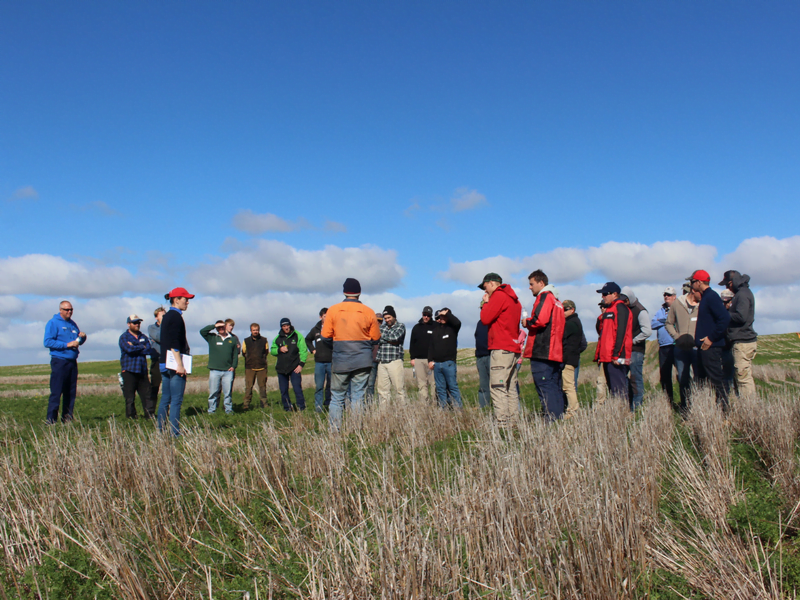


Attendees at the recent BCG Main Field Day were reminded that if there is a big frost event then crop damage is likely, so inspect your paddocks shortly after and make appropriate decisions.
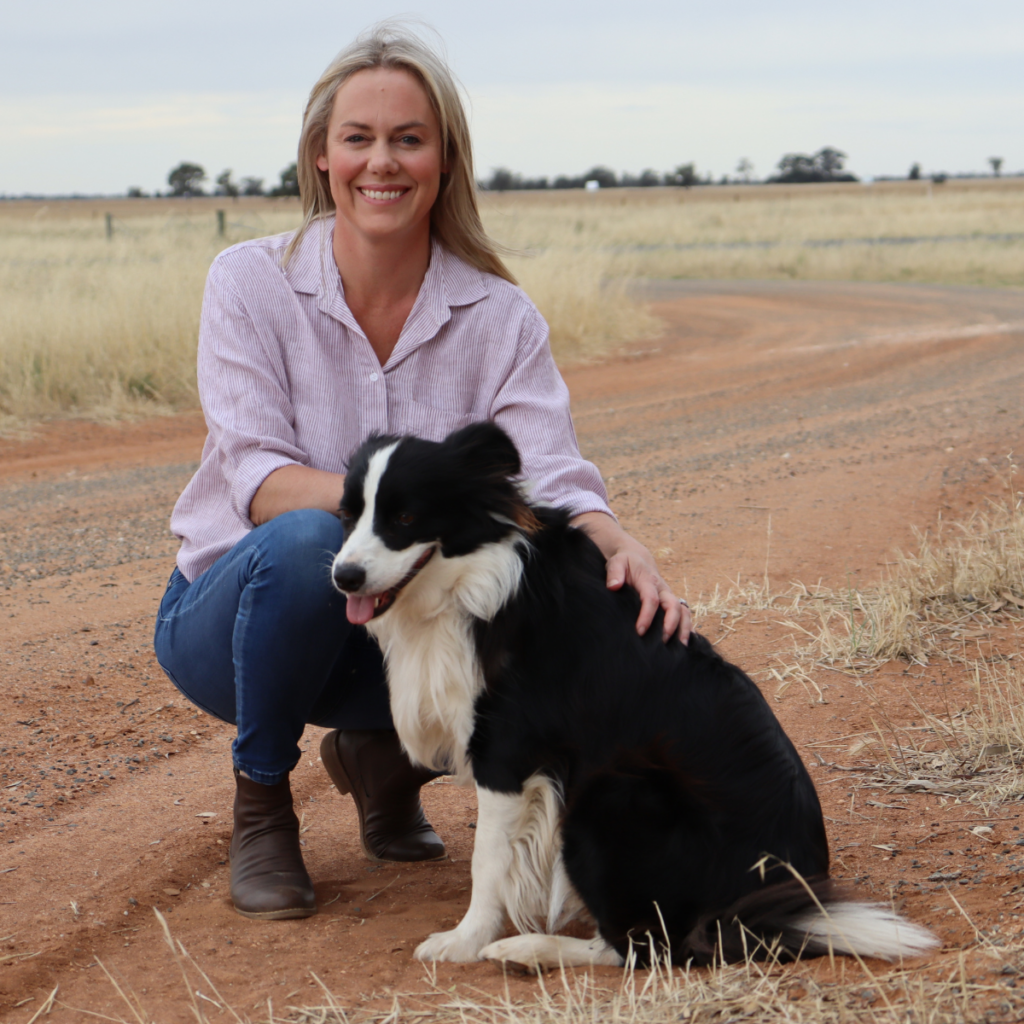
BCG senior researcher Kelly Angel appealed to the crowd to identify damage and know what temperatures you are dealing with, because “if you don’t measure you can’t manage.”
Ms Angel was joined by Think Agri consultant Kate Burke, and together they informed the large crowd on how to identify frost damage in cereal and break crops and what to think about when dealing with frost prone areas.
Dr Burke summed up the common feeling growers have when thinking about frost, especially as the season to date holds lots of promise in the Wimmera and Mallee.
“Frost leaves you feeling sick, but we need to think with our head. It’s like when your team doesn’t win the grand final when they should.”
The psychological stress that frost can have is also worrying, but Dr Burke quoted many in the industry who urged to growers that the “the fear of frost is often worse than frost itself.”
While people have a fear that discussing frost will mean it will happen, this is exactly what needs to occur. Talking about the issue, identifying risks and discussing solutions is a great way to assist with many agronomic challenges, not just frost.
As we approach the ‘business’ end of the season, the big question is what is the value of the crop that you are trying to protect now?
If frost damage is large, subsequent management or crop salvage options include hay or grazing. While hay prices are low, cutting for hay provides other benefits such as weed management. Livestock prices are reasonable and could provide a good financial return.
But, the advice is still the same, get out in the paddock and assess how much damage has been done because if you don’t have an understanding of extent then you can’t make sound decisions.
Thinking about future seasons Dr Burke advised that growers need to determine their property’s frost risk, both frequency and severity, to begin the conversation on how to reduce risk.
Emphases was made on knowing you optimum flowering time, because this allows you to make management decisions.
Formulating rules for these areas, including sowing varieties less susceptible to frost and managing these areas through sowing time to reduce risk at the critical flowering window, will assist in minimising possible damage.
Dr Burke indicated that at the start of the season when determining your cropping plan, you need to consider frost is one of the possible issues that could be faced in the season. This way you have already considered the possibilities and be prepared for it before it occurs.
The frost session as the Main Field Day was funded through the GRDC National Frost Initiative which has had some success identifying components that may lead to genetics assisting in reducing frost risk. But both Ms Angel and Dr Burke advised the crowd not to leave it up to genetic solutions and be proactive in your own management.
For further information about BCG’s involvement in the GRDC National Frost Initiative please contact the office on (03) 5492 2787, or visit the GRDC frost storify.
This article was published in the Stock and Land, 21 September.