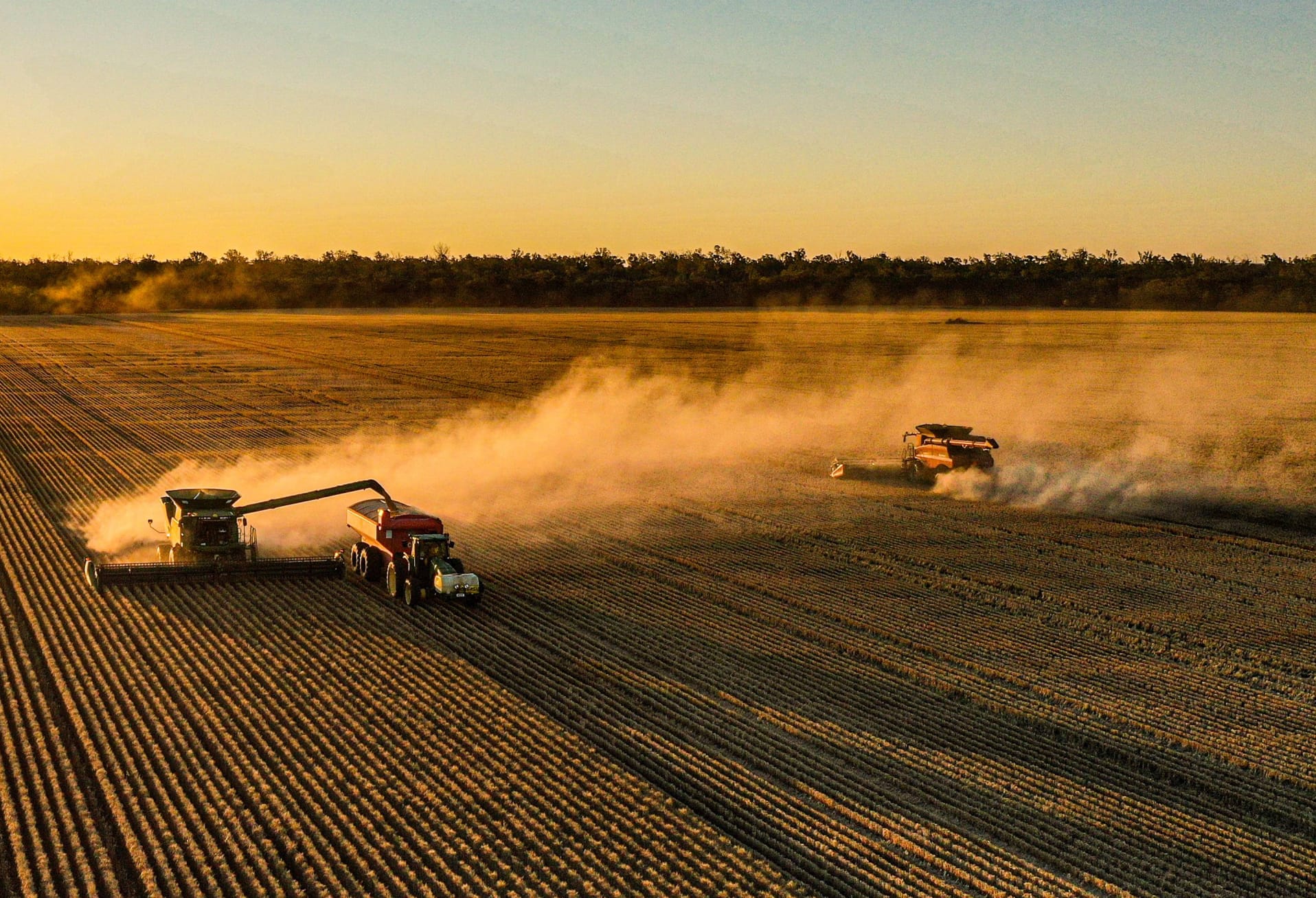


Location: Lochlee, Birchip
Crops: wheat, barley, vetch, feed oats and canola
Livestock: breeding ewes, Poll Dorset stud, Multimeat breeding ewes and opportunity feedlot lambs
Annual rainfall: 340mm
Soil type: red clays to loam
Eddie Lee, who runs a mixed enterprise family farm with his three sons and son-in-law at Birchip, believes grazing crops benefits both the livestock and cropping elements of his business and allows him to readily adapt to seasonal conditions and market fluctuations.
An exceptionally dry autumn in 2009 propelled Eddie towards the system. Since then, the practice has continued. As he says they “haven’t looked back”.
Eddie said grazing crops helps to bridge the feed gap between April and the end of July. It enables a degree of flexibility, allowing the business to respond to seasons and peaks and troughs in commodity markets.
“We always wanted our system to be flexible so we can keep up with market trends and change. Grazing crops helps us to achieve that goal,” he said.
In a small way, Eddie has been grazing crops for a long time, but it wasn’t until the bleak spring of 2009 that the Lee family got serious about it.
Initially, 300 ewes were put on a 100ha barley paddock. After three weeks, the crop had been grazed back to ‘the white’. The mob was then moved to a wheat paddock until the dry spell broke and the farm’s grazing paddocks again became productive (~three weeks).
“The crops didn’t die and the sheep lived. We were happy.”
The system has become part of the farm’s annual livestock management plan, but it alters according to the season, cropping rotations and the mob’s nutritional needs.
The regular varieties such as Scout wheat, Hindmarsh barley, Winteroo oats and Resina vetch are still grown. Sheep are let into cereal paddocks at the three-four leaf stage, or when the crop can pass the tug test, and are removed before GS30.”
In all, crops are grazed for about six weeks and, depending on the class of stock, supplements such as salt and calcium are offered.
Cereal crops are grazed once, then locked up for grain. Vetch crops can be used for seed or hay crop depending on the season and feed requirements.
Over summer, the sheep graze stubble (moved ahead of the seeder). Vetch is sown early (March) so that, by the time sowing concludes (June), paddocks are ready to be grazed.
According to Eddie, adopting the system wasn’t hard. “It was just the mental thing: making the leap to say, ‘Well, we’re going to put sheep on a crop.”
Eddie is adamant the practice doesn’t compromise the inte- grity of his no-till cropping system.
The aim is to keep 40 per cent groundcover. To achieve this, ewes are put into a containment area and lambs finished in a feedlot. Erosion can be a concern, but strict monitoring ensures that it is controlled.
Eddie said grazing crops has contributed positively to his farm business, both to its sustainability and its bottom line.
“Our lambing rate has reached 150 per cent for our Multimeat lambs and 130 per cent for our Merinos. That’s a benchmark we’ve been aiming at for quite a few years, but we think that can still be improved.”
ADDITIONAL INFORMATION
2013 CHAIRMAN’S WELCOME | THE YEAR THAT WAS 2013 – FARMING FOR TOMORROW | 2013 RESEARCH SITES | 2013 SITE DESCRIPTIONS | BCG RESEARCH METHODOLOGY | GUIDELINES FOR INTERPRETING SOIL TEST RESULTS | 2013 GRAIN PRICES | 2013 BOARD, STAFF AND COMMITTEE | ACRONYMS AND ABBREVIATIONS | CEREAL GROWTH STAGE CHART | DISCLAIMER