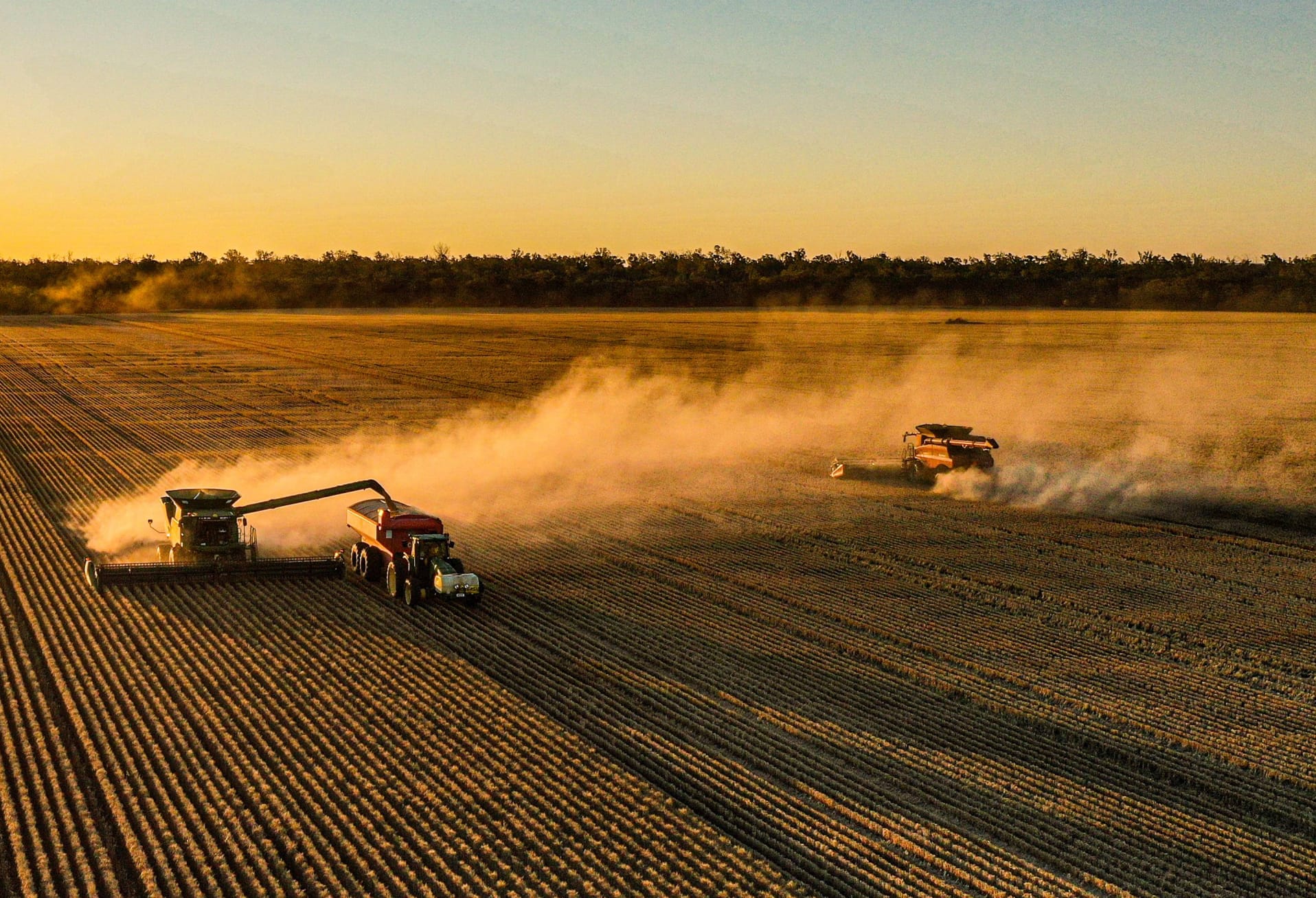


With the wheat price fairly unimpressive as harvest gets underway, many growers will be looking to their pulse crops to bolster farm profits this season.
However, making the most from pulses this year is not expected to come without some challenges.
An unwanted side effect of the yield-bolstering rain that fell during spring, has been a flourish of disease, particularly in heavy pulse crops, which in terms of yield, were promising so much.
For many pulse-growers, the highs and lows of this year’s season has caused some stress and anxiety, which could continue through to harvest and beyond without careful consideration and planning.
This year has been a tough disease season with many pulse crops being pushed to the limit by the high disease burden.
This year’s field trial results will prove valuable information for growers as it is revealed which varieties performed best, both in terms of yield and their tolerance to disease.
selecting seed for 2017
Seed-borne diseases may also cause issues in 2017, so understanding what seed can and can’t be kept will be vital.
Seed-borne diseases such as alfalfa mosaic virus and cucumber mosaic virus can cause poor establishment and reduced vigour which can have a negative impact on yield, and in extreme cases result in complete crop failure.
Ascochyta Blight, Grey Mould, Chocolate Spot and Brown Leaf Spot, are all fungi that can also cause major damage when present in seed, with Ascochyta being especially nasty.
Additionally, bacterial blight, which effects field peas, can have yield implications resulting from diseased seed.
While it is recommended that you select the seed you intend to retain from clean paddocks, this will be especially difficult this harvest considering the high prevalence of disease and challenges around accessing fungicides to spray crops during the 2016 growing season.
Seed treatments may be an option for 2017, but you will need to consider what the disease issue is and the severity as this will determine if seed treatments are a plausible option.
More information on pulses suitable for the Mallee, including their susceptibility to disease, can be found on the BCG website.
Marketing pulses
After harvesting the crops and storing your clean seed, marketing is looming as a challenge, with growers wanting to get the best price possible for their pulses to mitigate the less than attractive cereal prices.
At the BCG Field Day in September, JumbukAg consultant Colin Peace predicted a two million tonne pulse crop grown this season in Australia.
He said that while prices for many pulses have been good in the past few seasons, the recent economic conditions may have an impact.
“The failed monsoons in India over the past few years have caused an increase demand for lentils, but this seasons monsoons have been better in India causing prices to retreat,” he said.
“Canada will also be competing heavily for both the lentil and field pea market, and with a successful season in Canada, industry supply could be high,” he said.
Egypt is also providing the traders with a few issues, according to Mr Peace.
“This is especially prevalent in the faba bean market,” he said.
“Because of the economic and political uncertainty of the Egyptian economy trade dealings have been tricky.”
For more information about disease management in pulses this year listen to Cam Taylor and John Stuchbury’s pulse development and fungicide management presentation and Colin Peace’s marketing presentation from the BCG Main Field Day (linked below).