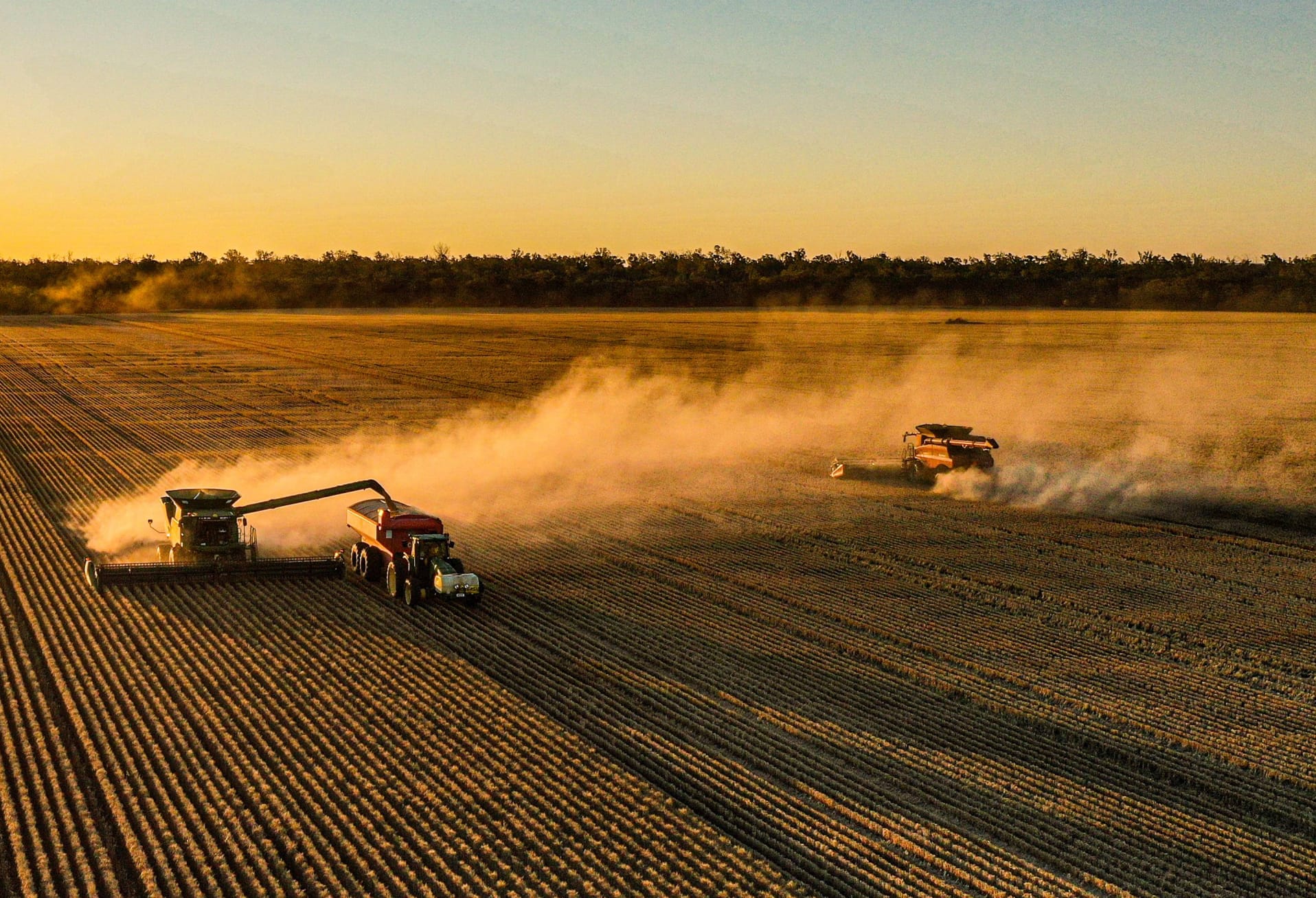


Headers are currently cutting their way across Mallee paddocks leaving in their wake some heavy stubbles that have the potential to impact the success of season 2017.
For most growers harvest has started on a positive note with reports of some very good yields, however the frantic excitement that generally accompanies this time of year is being tempered as farmers negotiate lodged crops and consider the most appropriate management of the residues (stubble and chaff) left behind.
A message being reiterated through the GRDC-funded stubble project, which is being led by BCG in the Wimmera and Mallee, is that effective stubble management begins at harvest.
With the goal being to minimise the need to burn stubble, the project has produced a series of guidelines that provide growers with tips and information on how to negotiate the challenges that come with a retained stubble farming system such as seeder blockages at sowing, poor crop emergence in heavy stubbles (particularly canola) and reduced herbicide efficacy.
If stubble retention is a priority, appropriate stubble management needs to occur at harvest, taking into consideration stubble loads, machinery capability, crop type and rotation and the paddock’s pest and weed burden.
Generally, paddocks with shorter stubble where the residue has been evenly spread (and weeds have been controlled) will be easier to sow into and less problematic the following season. However cutting crops lower is slower and may compromise the ability of the farmer to harvest the crop within the appropriate window.
Additionally, shorter (less standing) stubble can mean more straw and chaff in between the rows which can hinder the emergence and yield of the next crop, particularly smaller-seeded crops such as canola. This is where the management of straw and chaff is important, with the goal being to maximize the spread of crop residues.
Choppers and spreaders, which can be attached to harvest machinery (or integrated in newer machines) will vary in their ability to achieve optimum stubble characteristics and residue spread.
Growers should remember that there is also an increased cost associated with harvesting low due to a reduction in harvest efficiency and increased fuel use and machine hours. On average header speeds will be reduced from 9.5ha/hour to 5.7ha/hour, a decrease of 41 per cent, when harvest height is reduced from 60cm to 15cm (Barr, 2014). In economic terms, research conducted by Southern Farming Systems (who are partnering BCG on the stubble project) has indicated that higher harvest heights provide additional savings of approximately $7.50 per 10cm of extra height.
Inclement weather, harvest logistics and soil type also come into the decision about stubble management at harvest time. If rain is threatening, or many crops have ‘come in’ (ripened) at the same time, it may be more pertinent to cut crops high and harvest fast to minimise the risk of yield and quality losses. On lighter, fragile soils more stubble and groundcover can help to minimise wind erosion.
For more information on stubble management at harvest time phone BCG or log on at: https://thestubbleproject.wordpress.com
This article was published in the Stock and Land on November 17, 2016.