After a generally dry summer, the cropping season began with fantastic rains in April across much of the BCG membership area. The northern Mallee received up to 100mm and the southern Mallee 30-40mm. Wimmera rainfalls were lower, ranging from 5-20mm.
The exceptional autumn break got the seeders going and warm weather in May provided the conditions for excellent crop emergence. Crops jumped out of the ground and were quickly at growth stages a good 7-14 days ahead of average.
Despite the great start, grower optimism was somewhat tempered by early climate model predictions of an El Nino event for spring. This encouraged some to be cautious with their nitrogen applications. This turned out to be a good decision, as many areas experienced very low, and in some cases, record low, rainfalls for August and September. Many parts of the Mallee and Wimmera received zero rainfall for six critical weeks in early spring. A good rainfall event in late September made a big difference to those lucky enough to receive it. Unfortunately though, this rain event was not widespread and predominantly fell in areas north of Birchip where yield potential was higher.
PESTS AND DISEASES
In July, we started hearing about Beet Western Yellows Virus (BWYV) damaging canola crops in South Australia and soon there were reports from Victoria of the characteristic purpling of plants. With chemical controls for the green peach aphid vector pretty expensive, the decision to spray was a hard one. Thankfully for those of us who held off on spraying, cooler weather in August reduced aphid numbers.
FROST
Crops were hit by numerous severe frosts in July and early August. A BCG weather station at Hopetoun recorded 20 frost events under two degrees in August. The frequency, severity and length of the frosts damaged not only growing leaves, but also stems and developing heads, especially to early sown crops that had developed quickly during the warm early winter weather. Some crops responded by growing new tillers late in the season which matured later, causing some green heads at harvest.
WEEDS
Resistant weeds continue to be a management problem. Many farmers who tried windrow burning this year saw the benefits early on after the good autumn break quickly germinated any weeds that had not been controlled. Roundup resistant ryegrass continues to be one of our greatest challenges. Farmers are addressing the spread by changing their chemical choice along their fence lines. Resistant wild radish is also causing a great deal of concern in specific areas. Generally speaking, many more decisions on farm, from spraying to crop rotations and more, are strongly influenced by concerns about weed resistance.
LIVESTOCK
With widespread, below average crop yields, this year has really shown the benefits of having livestock in the farming mix. Winter lambing benefited from the rainfall and warm conditions at the time, so there was plenty of feed around and good lamb survival and growth rates.
Prices were generally high for much of the year and the challenging conditions in spring helped bump up wool quality.
HARVEST
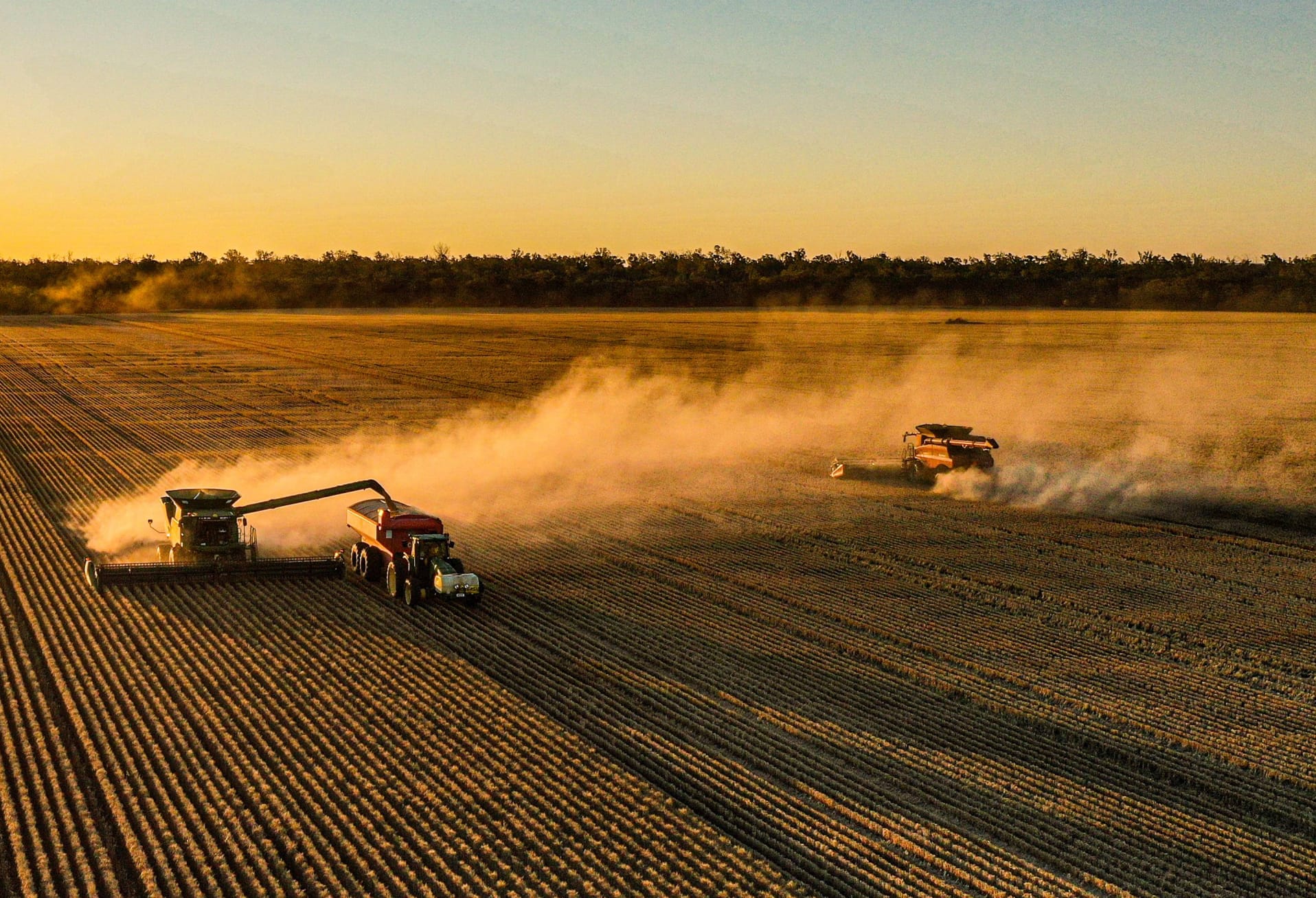
Harvest started early and finished early, despite a few interruptions due to rain. For many in the Mallee, harvest was over before the end of November! While in the northern Mallee some yields were average or even a little better, the combination of frost and the lack of spring rainfall meant most of BCG’s members had well below average yields. Crops on better soils, or sown after fallow, clearly fared better.
A considerable area around Birchip had a very poor harvest with some farmers cutting crops for hay to salvage some income. Others were lucky to get their seed back. Some headers never left the shed. The worst hit areas were around Beulah, Birchip and Wycheproof and between St Arnaud and Horsham through to Edenhope.
Canola crops performed poorly in terms of quality and yield. This was reflected in the lower prices received. For other crops, however, low yields were offset in part by good prices and high quality. Lentils in particular were a standout with prices well over $800/tonne in November. Many wheat crops received higher grading than expected and prices were good and continued to rise after harvest. Barley prices were also favourable and hay prices were buoyed by high feed demands in the south of the state.