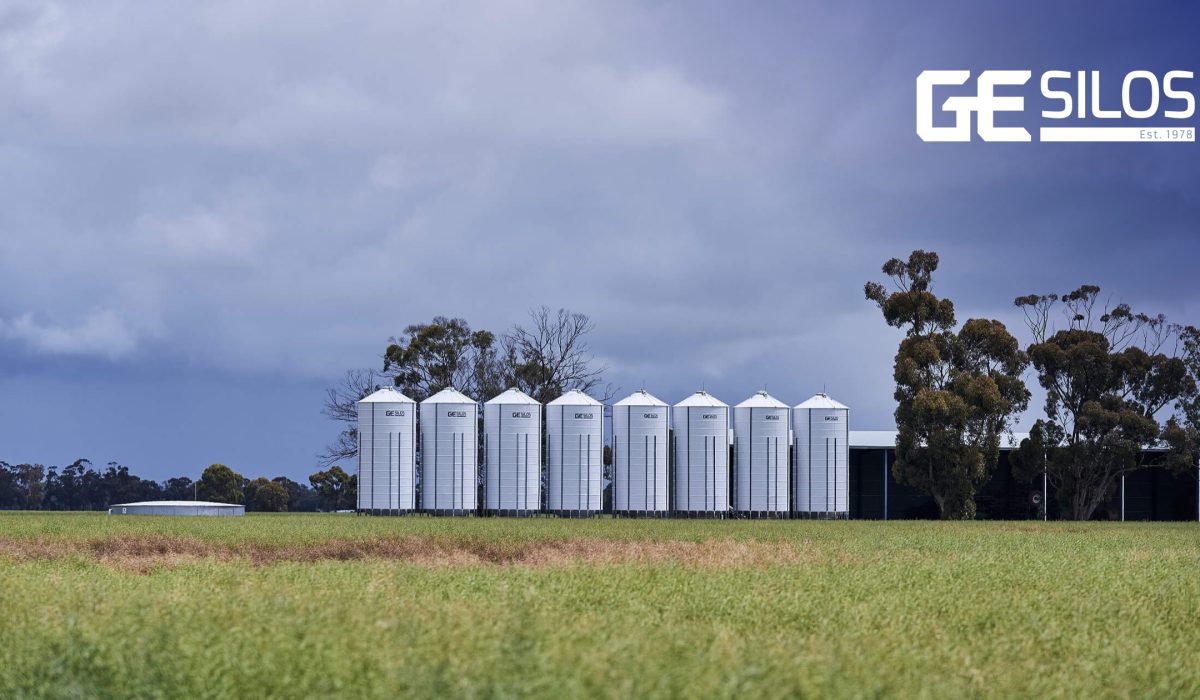

With margins under pressure, it is critical to ensure that you maximise the price of your grain when it is sold. With current subdued prices, it can be tempting to hold grain hoping prices will rise. Although this can be a logical and sensible approach to maximising income, the decision cannot be made in isolation. It is important to consider your farm’s cashflow and the risks of holding grain.
Why might you hold grain?
Holding grain is often seen as logical to achieve the full value of the grain produced. Holding grain can help spread cashflow across the year, as opposed to cashing in at harvest and having to manage costs across the year with only one income stream. History shows there have been years when holding grain paid off, with some strong premiums achieved. The opposite has also been true and cashing in at harvest might have been the best option. Delaying grain sales to the next financial year has been a common taxation management strategy. The right price to sell is different for every farming business; however, the decision to hold grain shouldn’t be taken lightly. A clear understanding of the true cost of holding grain is essential.
Managing cashflow
Managing cashflow is critical, and not all grain can be stored in anticipation of higher prices. If one commodity is held, other commodities need to be sold earlier to ensure the business has the means to meet its financial commitments. Which commodity is best to sell, and which is best to hold?
Understanding the true costs of holding grain
Often growers will consider the cost of storage at receival sites (in loading, monthly storage and out loading costs) but then overlook other costs. These include the cost of interest on overdrafts, given they haven’t been able to repay the debt, or the opportunity cost of being able to do something else with the money if you had sold the commodity. One tonne of grain that is not sold, valued at $280/t and being carried on an overdraft at 6.5% pa, will cost $1.51 per month to hold (as opposed to cashing and reducing the overdraft balance), and this will compound month on month. The value of one tonne of grain is going to have to increase $1.51 per month plus storage costs, to at least break even.
The cost of on-farm storage is also often ignored. While there is no monthly fee, the capital cost of the infrastructure needs to be considered. The risk of damage to the grain when stored on the farm is legitimate (think grain bags being used for long-term storage) and needs to be considered.
Will the price actually rise?
It’s important to get advice from a licensed grain trader. Having some expectations of the market and an agreed trigger sale price is vital to fully recoup the cost of holding.
Understanding your true cost of production.
If you understand what it costs to grow your crop, you can work out the price needed to cover costs and make an acceptable profit. This is more useful than guessing where the market might go.
While holding grain to await a stronger price is a normal aspect of grain growing on the east coast of Australia, it also comes with many hidden costs and risks. If you plan to hold significantly more grain this year because of the subdued prices, the risks are even greater. By understanding your production costs, cashflow needs, and the costs and risks of holding grain, you can set a clear selling trigger price that works for your farm, along with a firm date by which the crop must be sold to ensure cashflow requirements are met.
At Planfarm Advisory, we work with growers to better understand their businesses, key strengths, and underlying risks. We help growers understand their true profitability and spend considerable time with them to undertake cashflow budgeting early in the season, so that they have time to make considered decisions. This knowledge is paramount when deciding to hold grain in the expectation of better prices, ensuring you can maximise your grain price while understanding the risks and costs involved. If you would like to find out more about what Planfarm Advisory has to offer, please feel free to contact us.