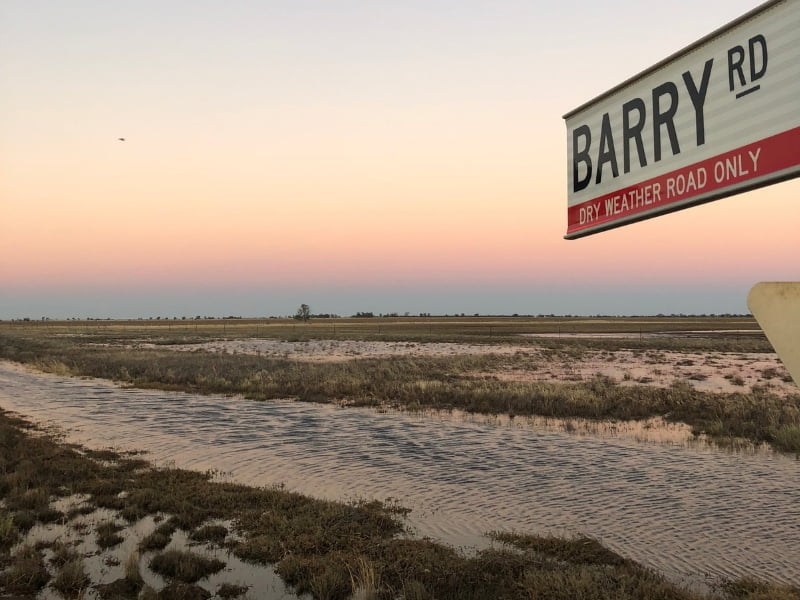


While season 2015 has not unfolded the way growers in this region would have liked. But it has created some unforeseen opportunities.
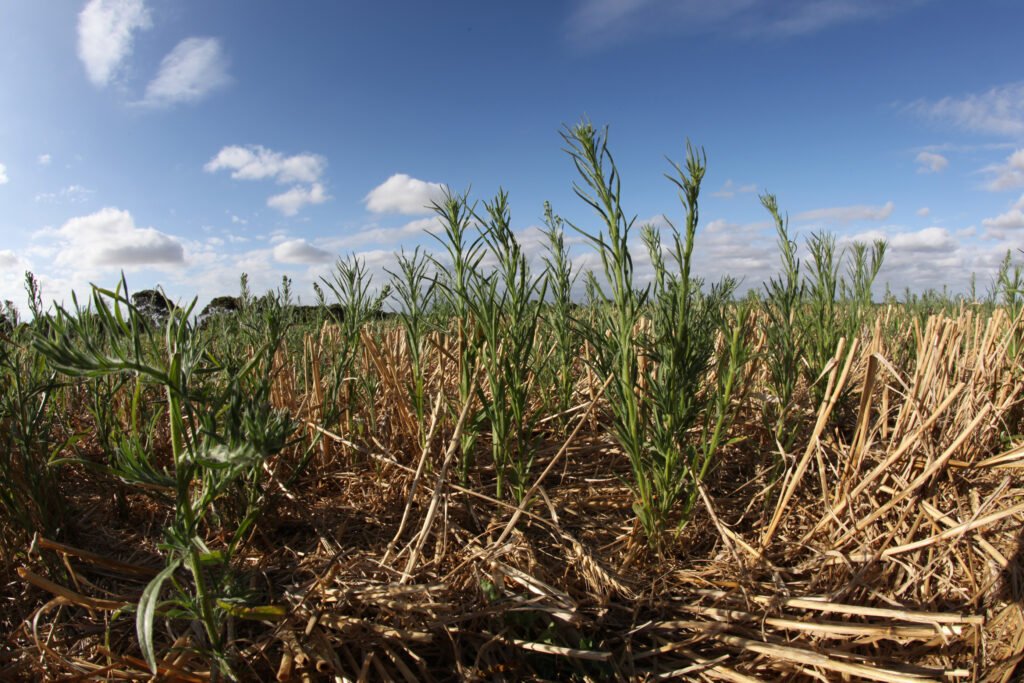
One consequence of failed crops being cut for hay is a reduction in the weed burden in these paddocks. With weeds removed before they have set seed, growers potentially have more options when deciding what crops to sow in 2016.
This should provide further motivation to keep on top of summer weeds in readiness for next year.
Farmers are now well versed about the benefits of keeping their paddocks weed free both during the growing season and over summer.
Over the years BCG has conducted numerous research trials investigating weed control products and strategies and their impact on crop performance.
A five year water-use efficiency investigation led by BCG left no doubt that weed control has the biggest positive influence on yield and profit, with a positive return on investment for every dollar spend on summer weed control (BCG 2012 Season Research Results, pp. 19-22).
Yet while control has markedly improved across Wimmera and Mallee paddocks, weeds remain a challenge. The past few years have seen new weeds emerge (such as flaxleaf fleabane and bifora), while many existing weeds (including ryegrass and wild radish) are becoming harder to kill due to increasing herbicide resistance.
Attention has now turned to how we kill weeds – the timing, rates and types of herbicide applications, as well as cultural and mechanical measures (integrated weed management, IWM).
While the poor season experienced by growers in the Mallee and Wimmera can leave land managers feeling less enthusiastic about tackling summer weeds, it’s important to look ahead and take advantage of any opportunities to improve the cleanliness of paddocks.
These may include:
- Late season weed control. Cutting cereal and canola crops for hay provides an opportunity to salvage some income from poor and failing crops and can help reduce the paddock’s weed burden and conserve what moisture is in the subsoil for the following year’s crop. Crop-topping is another practice that growers can use to control escapees and reduce grass weed seed set. Timing is the main issue (maturity of weeds versus maturity of the crop), along with residues.
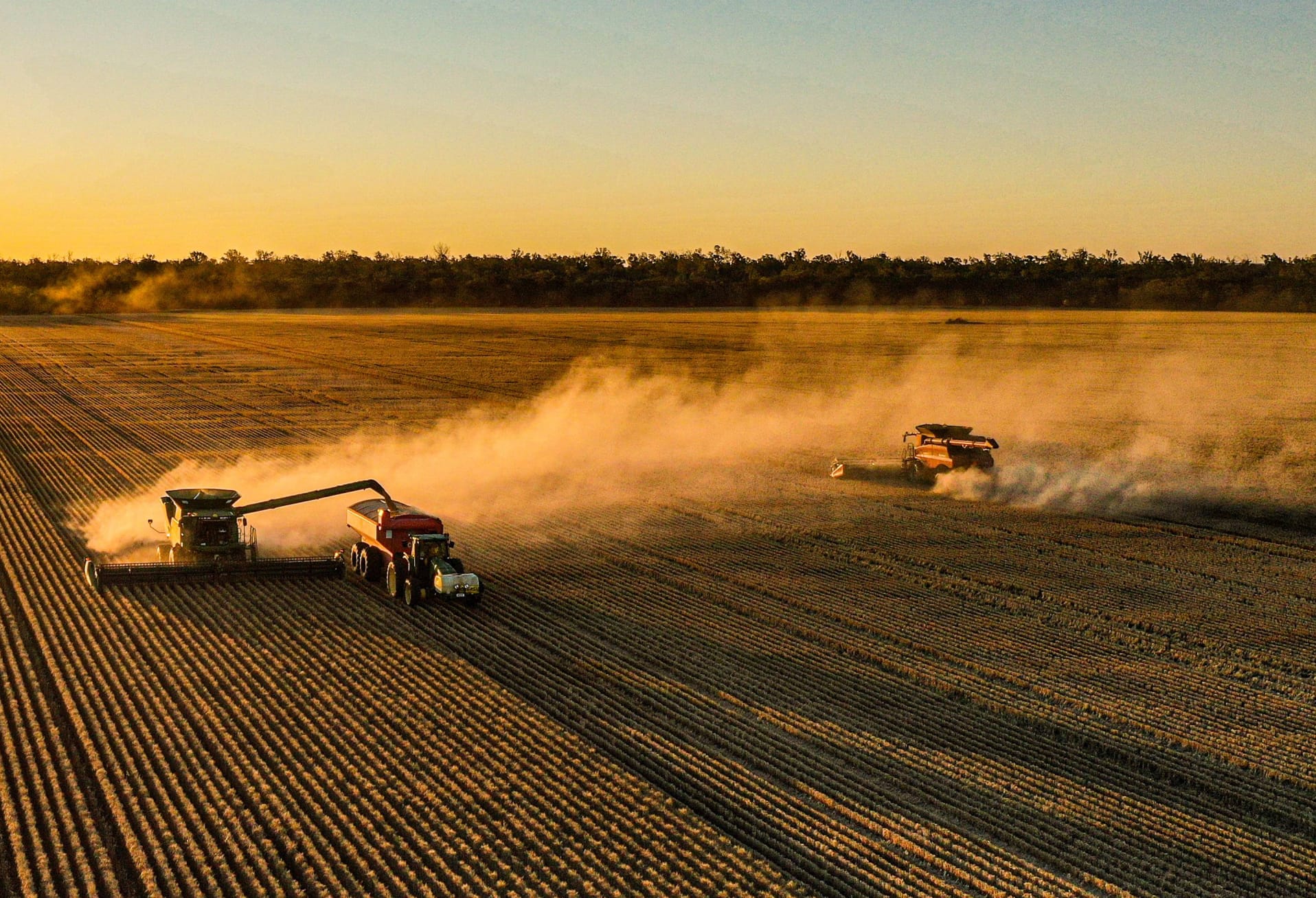
- Harvest weed seed capture. Narrow windrow burning is a practice Wimmera and Mallee growers are adopting to combat herbicide resistant weeds or to delay resistance development. Narrow windrow burning involves concentrating chaff and straw into 50 to 60cm wide windrows that are then burnt prior to sowing. A three year investigation into IWM strategies undertaken by BCG from 2009 to 2011 found windrow burning an effective means of reducing ryegrass seed set (BCG 2011 Season Research Results, pp. 138-143). Other options to capture weed seeds at harvest time include chaff carts and the Harrington Seed Destructor. Farmers have had success reducing the weed seed bank with these machines but they require a larger financial investment than other IWM strategies.
- Summer weed control. In a year when maximising opportunities is vital, summer weed control will be extremely important. To minimise expenditure spray early and use a double knock if necessary. Prioritise paddocks according to the weed spectrum, the presence of any problem weeds and the likelihood of volunteers emerging (ie. canola stubbles, then legumes) to avoid getting overwhelmed during this busy period.
While weed control can seem like a never-ending task, with appropriate IWM strategies, the productivity and profitability of your land can not only be maintained, but can improve.
For more information, or to become a BCG member, go to www.bcg.org.au or phone BCG on (03) 5492 2787.