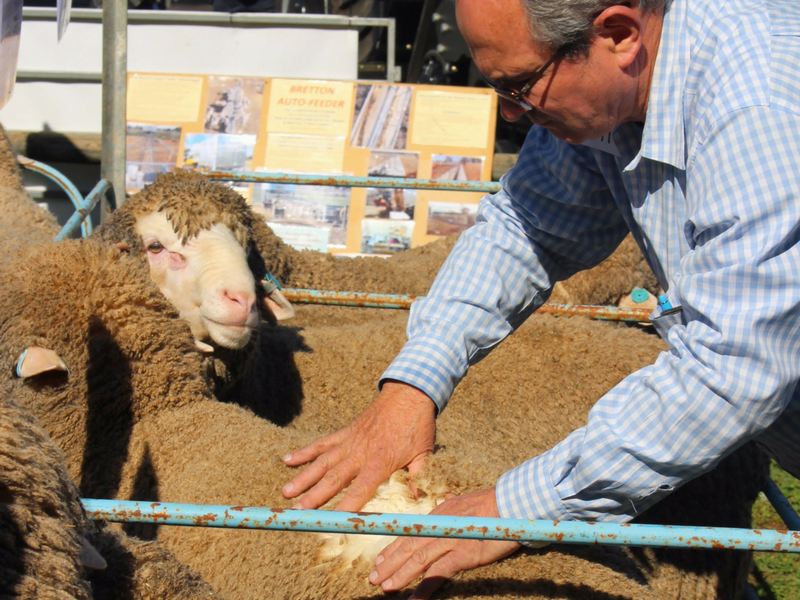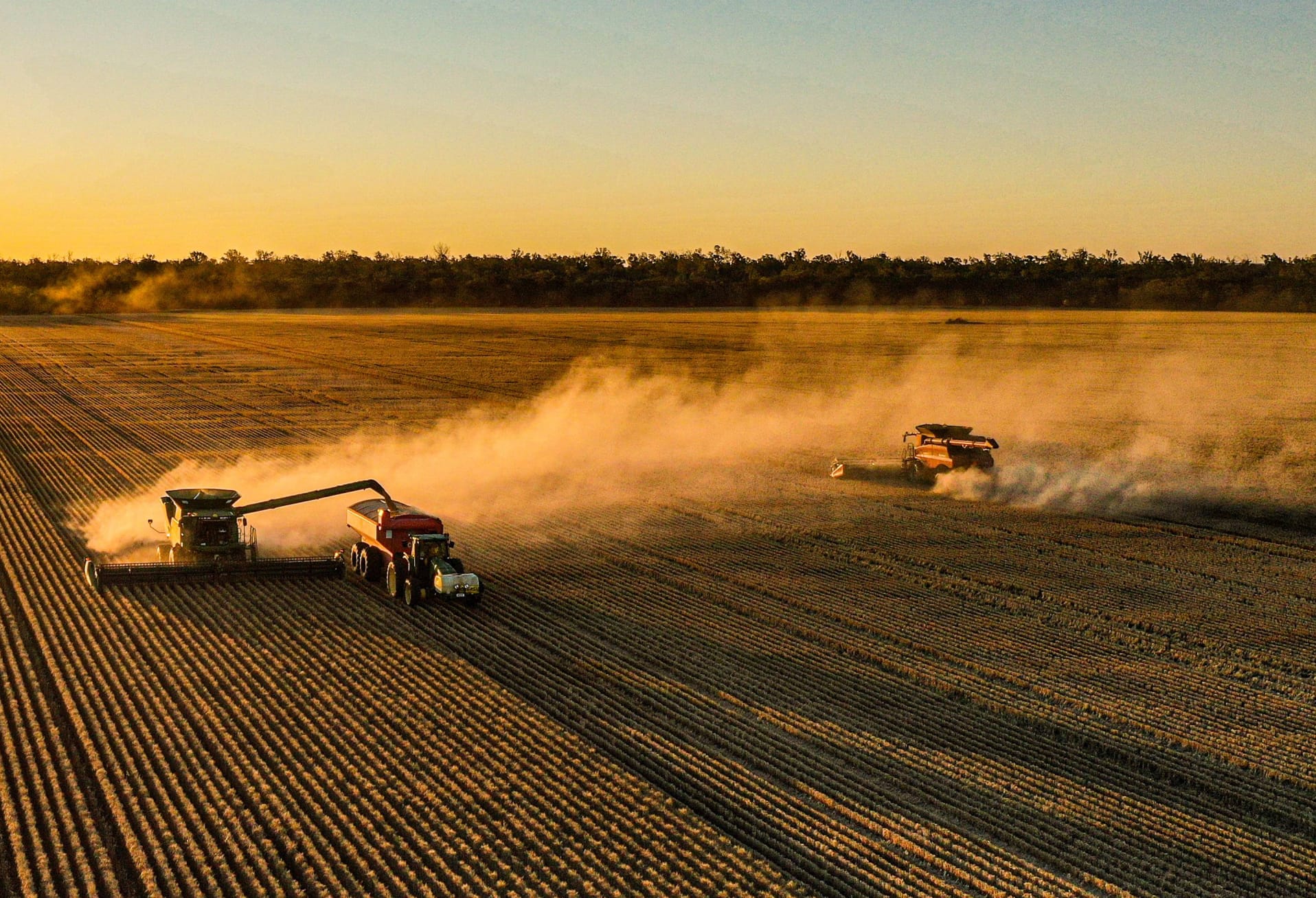


Summer can be one of the most challenging periods for sheep producers, with declining feed quality and increased risk of soil damage. To help growers navigate the months ahead, we asked ChatBCG for evidence based tips on summer sheep management, alongside parasite management insights from Chloe Frank from Livestock Central Health.
With careful paddock selection, water planning and regular monitoring of stock condition, sheep can be successfully managed over summer while protecting valuable stubbles and soil health.
Key takeaways
- Prioritise failed cereal stubbles for young lambs due to higher protein content, while dry ewes can maintain condition on harvested stubbles [1]
- Maintain at least 70% stubble cover (2-3t/ha cereal stubble) to prevent erosion and soil damage, avoiding overgrazing that drops groundcover below 50% [2][3]
- Plan water management carefully, checking dams and troughs regularly during hot weather as consumption increases dramatically [2]
- Graze high-value paddocks first as stubble nutritive value declines by 1% per week, with faster decline when rain leaches nutrients [2]
- Monitor ewe condition monthly through condition scoring to ensure they maintain healthy weight throughout summer [2]
Prioritising the right paddocks
Crop stubbles are a valuable feed source over summer, but not all paddocks are equal. When allocating mobs to paddocks for grazing:
- Graze high value paddocks first, as stubble nutritive value declines by approximately 1% per week [2]
- Decline occurs more rapidly when rain leaches nutrients from the stubble [2]
- Prioritise failed cereal stubbles for young lambs due to higher protein content [1]
- Maintain dry ewes on harvested stubbles which provide adequate nutrition [1]
Before grazing individual paddocks, consider erosion risk and possible detrimental effects in areas with large weed seed banks [4].
Stubble utilisation
Light to moderate sheep grazing on stubbles is unlikely to have detrimental impacts on crop growth in the following season, provided proper management is followed [4]. Research shows that sheep grazing does not reduce subsequent crop yields when summer weeds are controlled and adequate stubble cover is maintained [3].
During summer grazing periods, sheep initially show preferences for certain soil types, particularly lighter sandy soils, before moving to other paddock areas as feed becomes limiting. By the end of summer, paddock utilisation typically becomes relatively even [5].
When running lambs or pregnant/lactating ewes with high protein requirements on harvested stubbles, protein supplementation may be required. Protein and digestibility progressively decline as grain and plant leaf residues are selectively eaten, and due to weather events as summer progresses.
Protecting groundcover
Maintaining groundcover is critical to protecting soils from erosion and maintaining long-term productivity.
- Aim to maintain at least 70% stubble cover (around 2–3 t/ha of cereal stubble) [2][5].
- Avoid grazing paddocks below 50% groundcover. Ideally, avoid grazing zones already at this critical level to reduce erosion risk [5].
- Research indicates that most issues around water infiltration or yield impacts are linked to loss of cover rather than soil compaction [3]. Surface compaction does occur but is generally shallow and transient, with natural soil shrinking and swelling alleviating these effects [3].
Water and livestock monitoring
Water management requires careful planning over summer. Check dams and troughs regularly, particularly during hot weather periods when consumption increases dramatically from 2-4 L/day up to 10-14 L/day [2]. Ensure stock are never in a position where they may be without water [2] by providing good water flow rates to refill troughs quickly, and holding tanks with a supply of cool, clean water.
Condition score a few ewes once a month to ensure they are maintaining healthy weight throughout the summer period [2]. This practice helps identify feeding issues before they become serious problems.
Summer parasite management, in conversation with Chloe Frank
ChatBCG does not cover parasite control, so we asked Chloe Frank, founder of Central Stock Health for her input on protecting stock this summer.
While hot and dry summer conditions are unfavourable for worm larvae survival, careful management is still essential. Chloe notes that a second summer drench should only be given if supported by worm egg count. If a second summer drench is administered without egg count, it can be most damaging leading to accelerating anthelmintic resistance. Read the full article here.
Got more questions? Ask ChatBCG.
“Would you like specific information about supplementary feeding requirements or nutritional values for different stubble types to help plan your summer feeding program?”
ChatBCG is available to answer your farming questions anytime, drawing on BCG’s trusted research and local knowledge. Whether it’s supplementary feeding, stubble nutrition or paddock planning, explore what works best for your system.
For further reading, check out these useful resources:
ChatBCG Sources:
All sources can be found in ChatBCG when searched.
- BCG Special Fax Bulletin – Sheep & Stubbles, Page 1
- BCG Special Fax Bulletin – Sheep & Stubbles, Page 3
- Sheep Grazing in No-Till Farming Systems: Effects on Crop Performance and Soil Health, Page 1
- Effects of Livestock Grazing on No-Till Cropping Systems in Mallee and Wimmera
- Livestock Grazing Behaviour and Utilization in Large Mallee Paddocks