
With several reports of mice activity from both the Wimmera and Mallee this week (May 1), BCG is urging growers to monitor their paddocks and to bait at risk crops accordingly.
Mouse numbers can build rapidly in the right conditions, leading to crop damage throughout the growing season. Early detection of an increasing mouse population is essential if effective control is to be implemented.
The risk of mice eating seed and germinating seedlings is a potential problem for farmers this sowing season with anecdotal evidence suggesting mice populations are increasing across the region.
An easy way to determine if mice are active is to soak a piece of paper or cardboard in canola oil, attach it to a stick and leave it in the suspect paddock overnight. If the paper is eaten the next day, then bait.
Thresholds for baiting are lower than you might think:
- Two active holes per 100m2 transect
- 10 per cent canola card area eaten
- Two mice in 20 traps
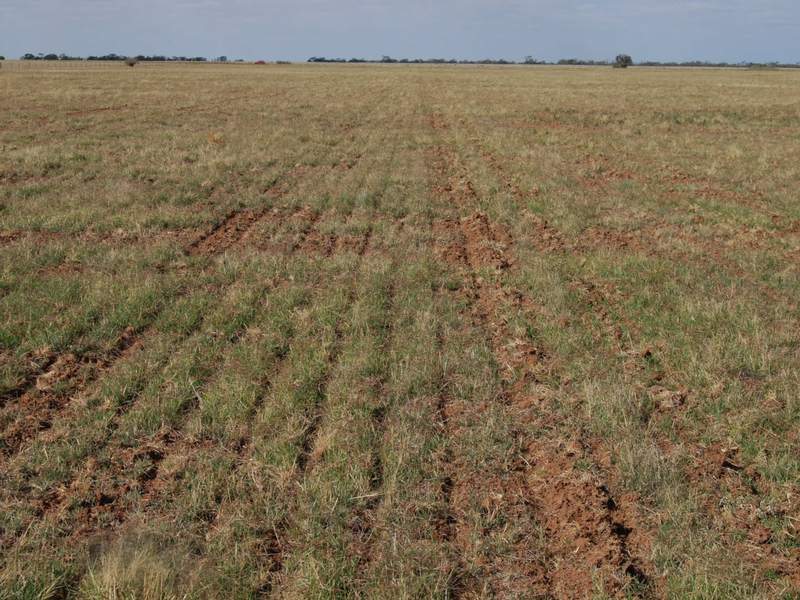
No-till paddocks with press wheel furrows will provide nice tracks for mice to follow while digging up seed, so be especially vigilant with monitoring in these situations.
Mouseoff® can be applied at 1kg/ha but should not be used before heavy rainfall. It is also recommended that baiting doesn’t occur too far ahead of sowing as mouse numbers can build up again after baiting.
For more information visit www.grdc.com.au/pestlinks, www.animalcontrol.com.au or click on the following links: What constitutes a mouse problem? (PDF – 200KB); MOUSEOFF® Zinc Phosphide Bait (PDF – 842KB) and On-going control of mice.