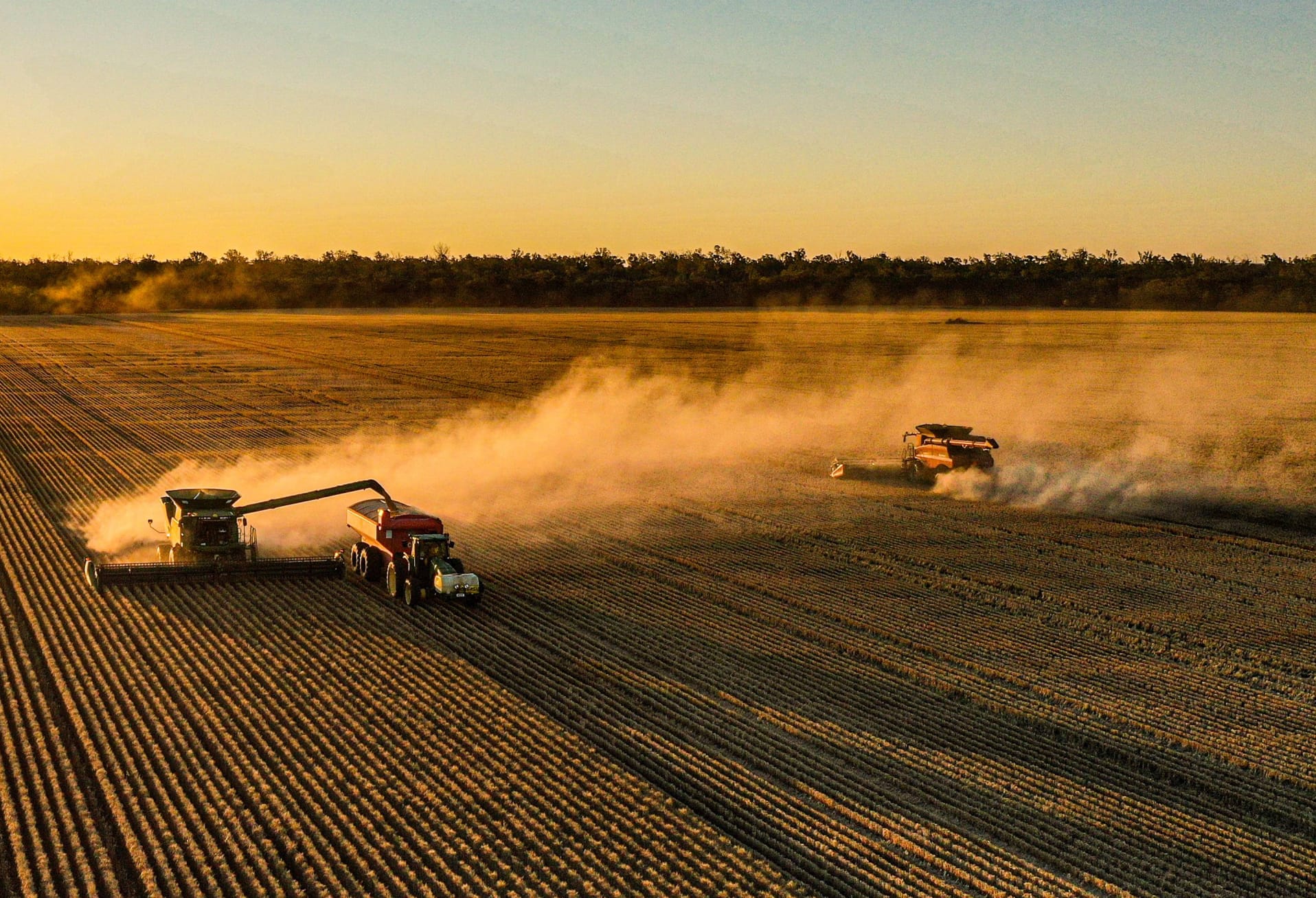


For many Wimmera and Mallee grain growers, pulses were a worthwhile investment in 2016 with favourable weather conditions and low cereal prices. Looking to the 2017 growing season, now is the time to determine what pulses have a fit in your system and how varieties performed in 2016.
With harvest almost complete, many will have the upcoming season in mind especially when it comes to crop rotations and cleaning seed.
Therefore, it is now timely to be considering how different varieties performed in what was one of the wettest springs ever.
In 2016, the Southern Pulse Agronomy program ran two researched sites in the Mallee, one at Curyo (30km north of Birchip), and one at Ouyen, where pulse varieties were put through their paces.
High disease burden at the Curyo site meant that chickpea trials were affected by a new phenotype of ascochyta blight. Some varieties were unfortunately unable to sustain such a heavy burden experiencing complete crop loss.
Lentils at the Curyo trial also experienced significant loses from disease with botrytis grey mould causing excessive damage to many of the cultivars. While some varieties were lost to disease, others were able to persist and yielded more than 4t/ha.
Variation also occurred at the Ouyen location, not from disease, but the ability of some varieties to be more suited to the sandier soils. The highest yielding lentil variety reached 3.3t/ha.
Exciting results were realised in the faba bean trials, with new breeding lines selected for drought tolerance showing consistently higher yields than current varieties. An un-named variety was the highest yielding in the 2015 trial and again performed well in what were very wet conditions.
Management practices were also investigated at the Ouyen site. Sowing depth was a topic for investigation in lupins. Results indicated that there can be anywhere from 30 to 45 per cent yield reduction in lupins at the deeper depths.
Variety trials can provide extensive information for growers, but we need to remember that 2016 was an extraordinary year. When considering varieties it is best to look at the long term yield results, thus giving you a better indication of long term performance.
Management decisions and actions also make a huge difference to yield results. If considering changing varieties, review the reasons why you want to change as there may be a more cost effective way to improve yield in your current varieties.
National Variety Trial (NVT) data and localised trials, like the work done by Southern Pulse Agronomy, can assist in decision making.
These results will be presented with interpretation by Jason Brand (Agriculture Victoria) at the BCG Trials Review Day on Friday 17 February, and they will also be included in the 2016 BCG Seasons Research Results compendium for BCG members.
BCG research is also available at: https://www.bcg.org.au/pulses-in-the-mallee-invited-article/ or phone BCG on (03) 5492 2787.
This article was published in the Stock and Land on January 26, 2017.