

Location: Curyo
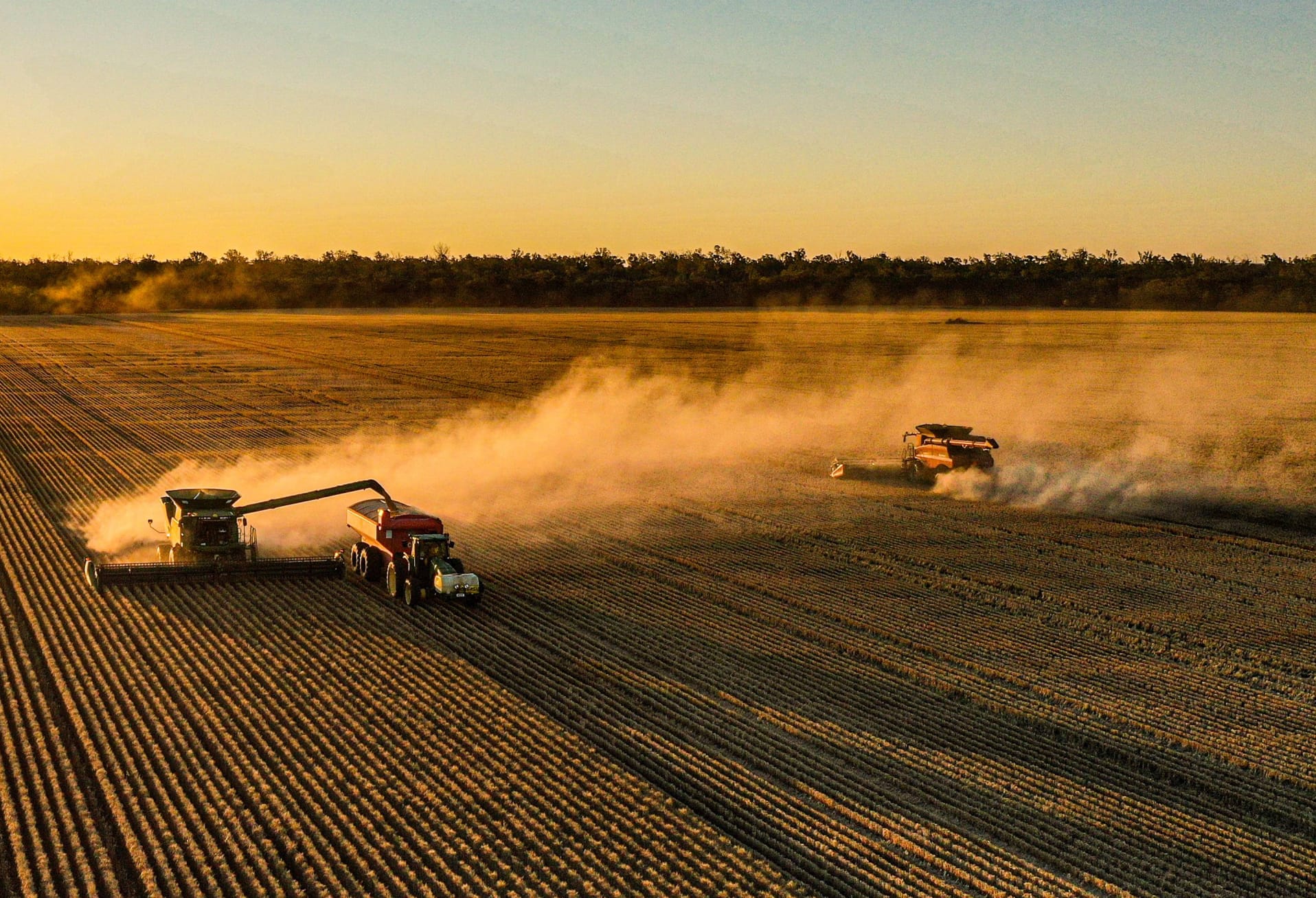
Crops: canola, wheat, barley, chickpeas, field peas and vetch for grazing, brown manure or hay
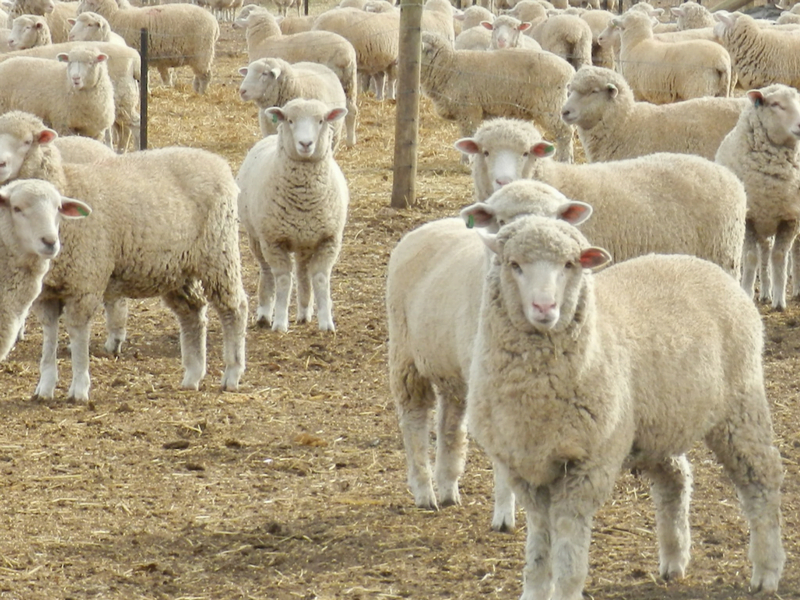
Livestock: Merino ewes over white Suffolk rams for crossbred lamb production
Annual rainfall: 330mm Soil type: medium sandy loam and some lighter sands
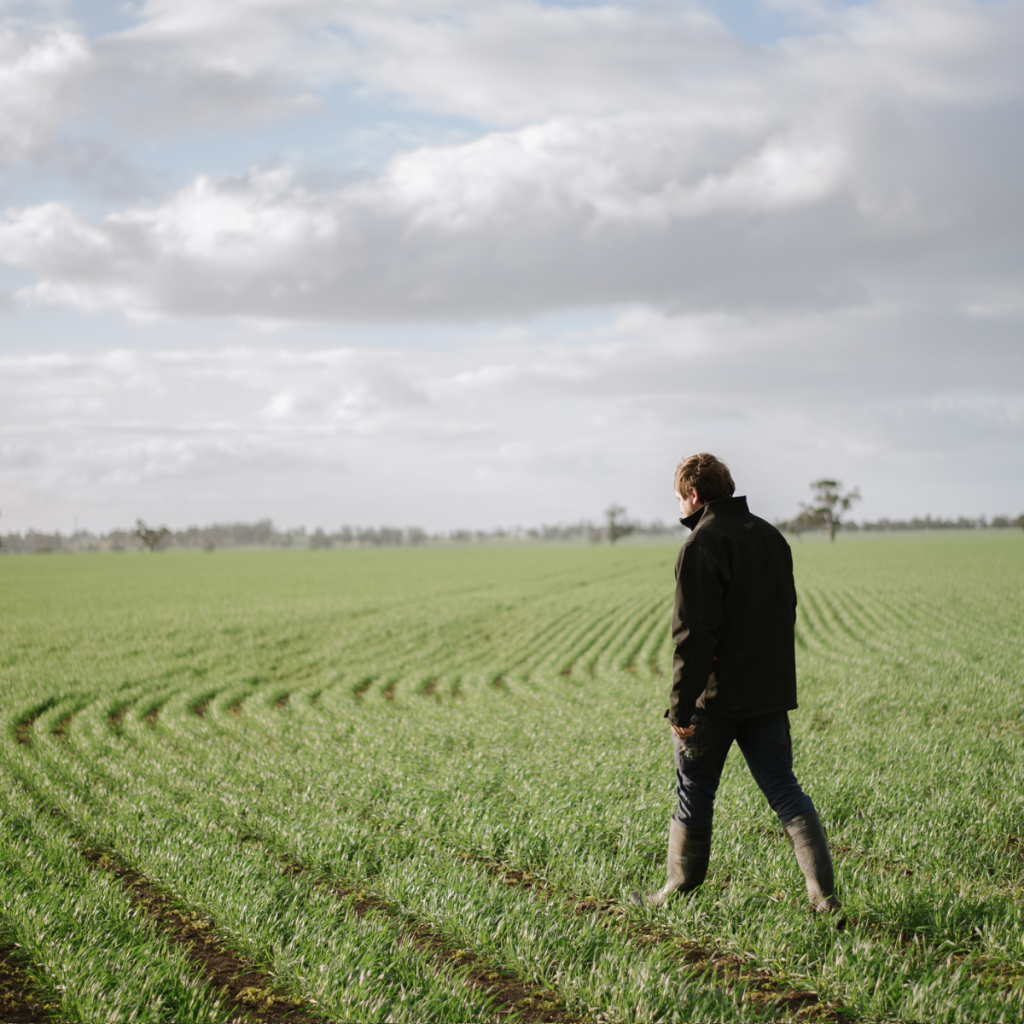
A cropping rotation that includes break crops, vetch and chemically fallowed ground in conjunction with livestock is helping Paul Barclay improve the productivity, profitability and sustainability of his Curyo farm.
Paul has long held the belief that cereal heavy systems can lead to problems both in terms of productivity and weeds, herbicide resistance and crop disease issues (e.g. crown root rot).
To that end, his system has evolved to the point at which cereals make up only 55 per cent of his annual rotation with chemical fallows, vetch and break crops accounting for the rest.
Weed and disease management, together with the nitrogen (N) fixation capacity of break crops, is the main motivator behind Paul’s pulse-heavy rotation.
“Weedy paddocks need a three year break to clean them up properly,” Paul said. “After a fallow, I’ll grow canola and then a Clearfield wheat or barley.”
With the farm supporting a livestock enterprise, vetch provides sheep feed, but also delivers N into the soil which can be used by the following crop.
Depending on the soil type and the season, Paul will either turn vetch to green manure, use it as sheep feed or, occasionally, harvest the seed or make hay.
Decisions about when to terminate vetch depends on the soil type it’s on and how much sheep feed is required.
“The earlier we can terminate, the better – by mid-August on our heavier ground. The vetch on lighter country, we might keep until early September.”
Paul said keeping vetch any longer was detrimental to the following crop due to soil moisture loss.
“Our aim is to grow more reliable crops with fewer inputs,” he said.
“Increasing chemical fallows, vetch and break crops has been a positive change. It’s also a flexible rotation which can be altered according to summer and forecast seasonal rainfall.
We are able to do a bit of ‘opportunity’ cropping.”
While largely satisfied with the performance of his crops in recent years, Paul is continuing to alter and refine his system. One change has been a move towards growing more field peas and less canola.
“Canola is good if it’s wet but peas are cheaper to grow,” he said.
“We’re getting back into more lentils and peas. Peas are durable, can handle most soil types and take out less moisture than chickpeas. We’re hoping to find a lentil that can handle a broadleaf spray to assist our weed management strategy.”
Weeds, according to Paul, represent one of the biggest future challenges. Fortunately, the diversity of his rotation, and the adoption of chemical and nonchemical weed control strategies, is helping him to avoid, or at least delay, most resistance issues.
“Our system allows flexibility and the ability to make the most of new technologies and opportunities as they arise,” he said.
ADDITIONAL INFORMATION
2013 CHAIRMAN’S WELCOME | THE YEAR THAT WAS 2013 – FARMING FOR TOMORROW | 2013 RESEARCH SITES | 2013 SITE DESCRIPTIONS | BCG RESEARCH METHODOLOGY | GUIDELINES FOR INTERPRETING SOIL TEST RESULTS | 2013 GRAIN PRICES | 2013 BOARD, STAFF AND COMMITTEE | ACRONYMS AND ABBREVIATIONS | CEREAL GROWTH STAGE CHART | DISCLAIMER