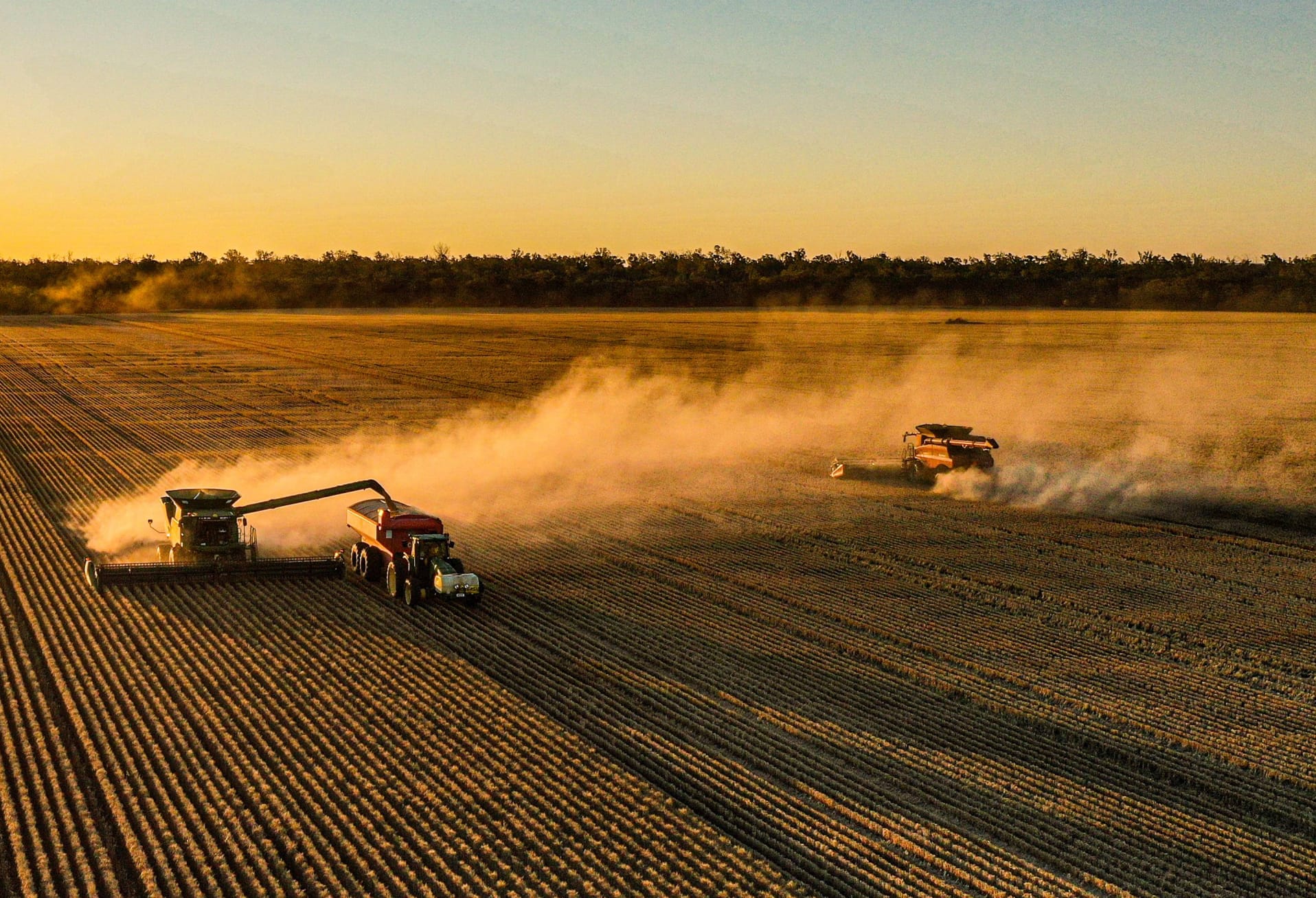

North West Victoria hosted some of Australia’s brightest agricultural scientists last week as BCG and CSIRO joined forces to explore how research and practical farming can come together to address the industry’s most pressing challenges from climate resilience and input management to weeds, pests and disease.
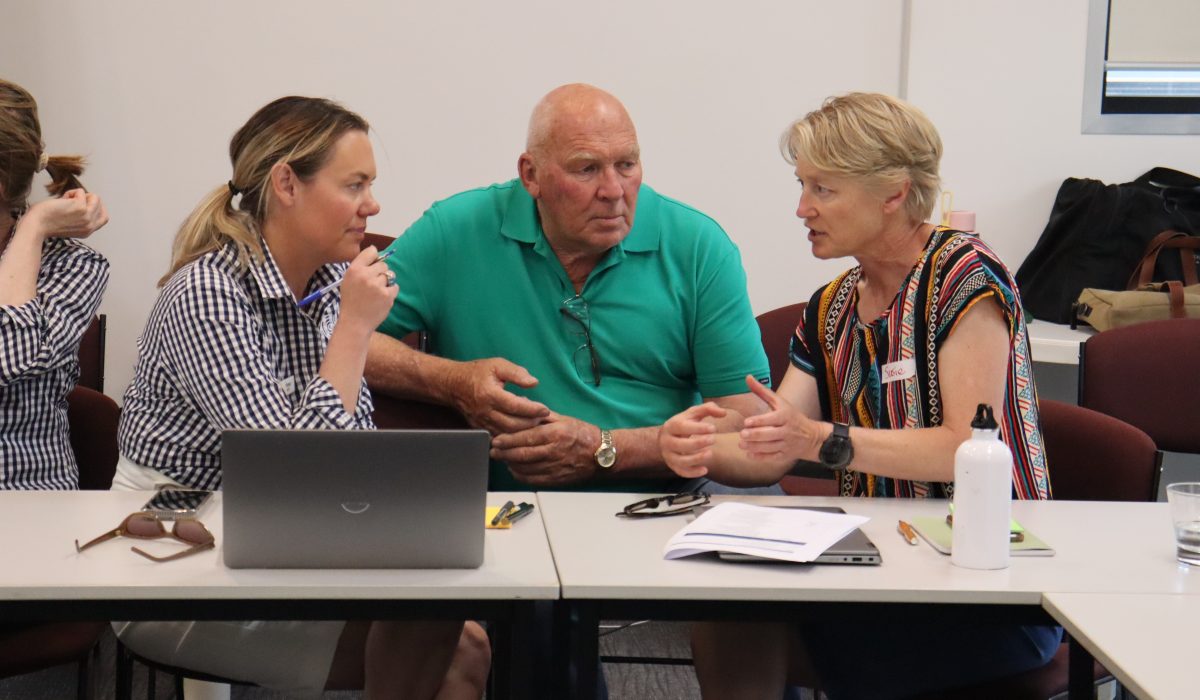
Over three days, researchers, BCG staff and nine local farmers worked side by side to discuss the emerging science shaping the future of farming. The visit placed a strong spotlight on early career researchers, data driven decision tools and the role of local knowledge in driving innovation. The visitors were also hosted by seven local farming families, with the exchange of local perspectives proving a highlight for participants.
BCG CEO, Fiona Best said the gathering marked a significant step toward aligning science and on-farm adoption.
“There’s incredible value in having researchers and farmers in the same room talking openly about challenges and opportunities,” Ms Best said.
“This week has set the stage for a new phase of collaboration. We’re proud to see Birchip and the broader north west recognised as a hub where science, data and local knowledge meet to drive the future of Australian agriculture.”
The discussions focused on nitrogen use efficiency, disease, pest and weed management, and the role of artificial intelligence. Themes explored included limited chemical future, the next generation of Yield Prophet, and new biostimulant and microbial cycling research led by teams across both organisations.
Dr Ben Trevaskis, Research Director CSIRO Farming Systems Program, said the partnership reflected a shared vision to position the right people to solve both current and future challenges.
“We want to place the right people to solve here and now problems, but also those of the future. Partnerships like this ensure research remains grounded in real world farming systems,” Dr Trevaskis explained.
One of the key ideas to emerge from the visit was the potential for CSIRO staff to be based in Birchip, working alongside BCG to embed science within the region’s farming systems. The initiative would strengthen on ground collaboration, provide local research experience for early career scientists, and enhance the translation of research into practice.
“Having a strong relationship with CSIRO is really important for BCG. It ensures farmer priorities are represented and that research translates into real impact for the region,” she said.
BCG and CSIRO are now committed to ensuring the ideas are implemented via a long term coordination framework to map future joint activities, expand researcher exchanges, and integrate science communication, including CSIRO’s upcoming contributions to BCG’s annual Research Compendium.
“Across the three days, we saw ideas emerge that could genuinely shape the next generation of farm management tools, crop inputs and data driven solutions,” Ms Best said.