

BCG research leader Claire Browne ventured to India recently on her annual leave. During this time she spent four weeks volunteering at the International Crops Research Institute for the Semi-Arid Tropics (ICRISAT) based in Hyderabad, southern India, where there were 600 staff.
What does the organisation do?
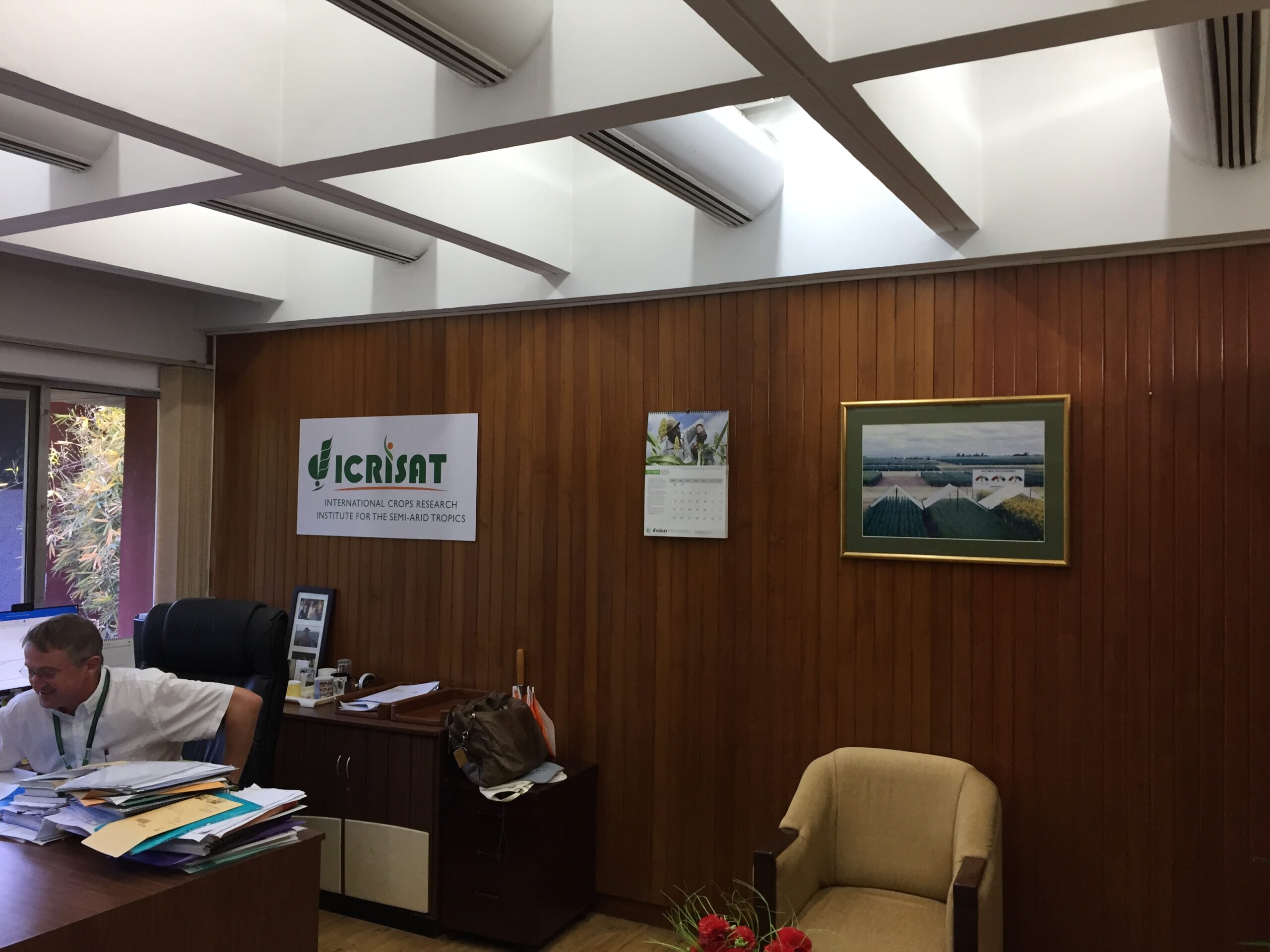
ICRISAT is a large international non-for-profit organisation that undertakes scientific research for development. Research is largely based around sustainable farming, breeding and producing nutritious food for the population. The six major crop types are sorghum, pearl millet, finger millet, chickpea, pigeon pea and ground nut. Their improved varieties are more productive than local seeds. ICRISAT operates across sub-Saharan Africa and Southern Asia.
I went in October which is known as Rabi (winter) which runs from October to February/March and this is when chickpeas, wheat, linseed, mustard and oilseeds are sown. The months from June to October are known as Kharif (wet season) where maize, sorghum, pearl millet, and ground nut are commonly sown.
What did you do?
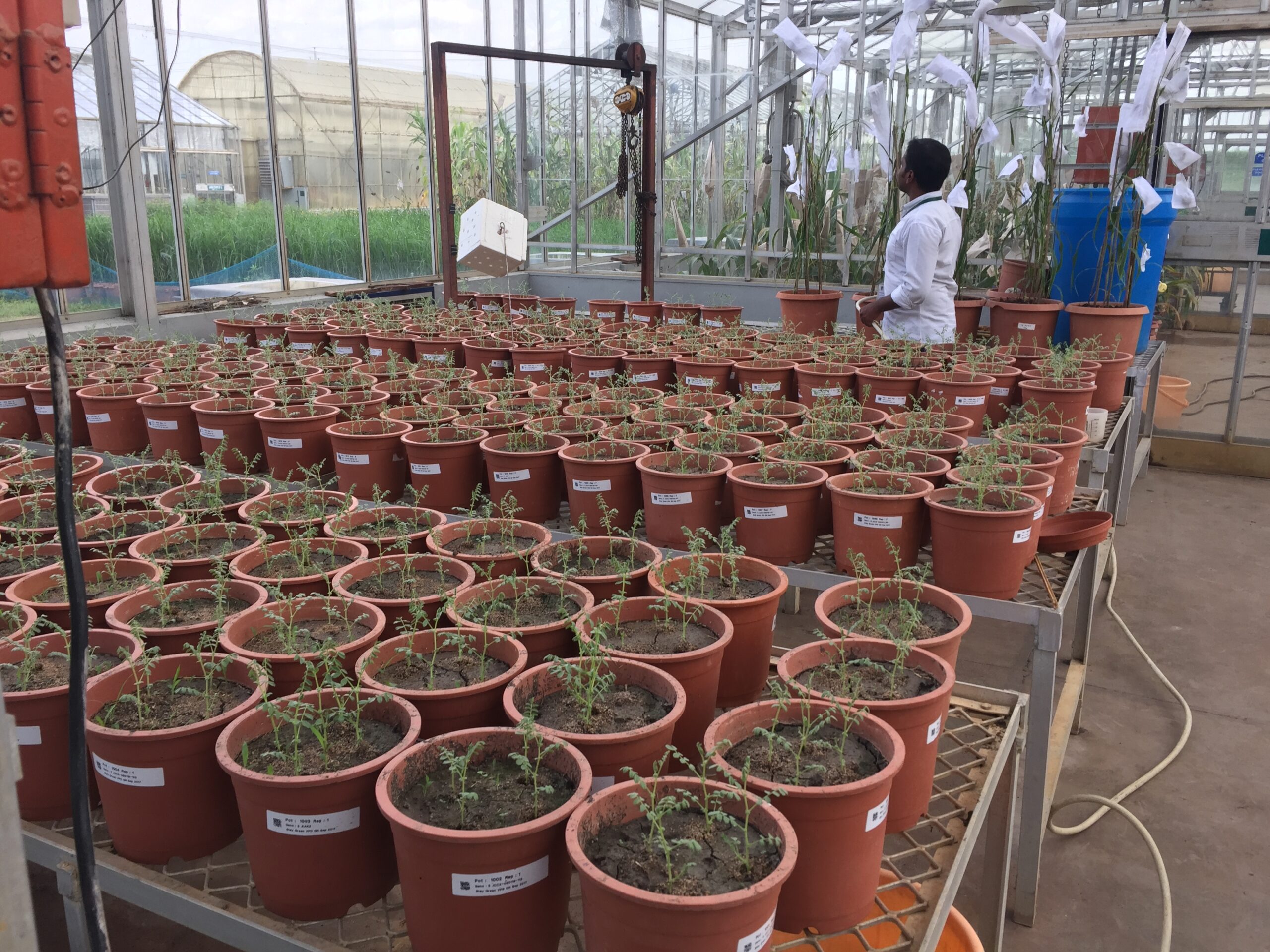
I joined the crop physiology team and helped with hand sowing pots of sorghum, pearl millet and peanuts. There are 2800 trays on a platform where the hand sowing occurred, for the intention of measuring leaf area and height. From this, those with superior genes will be selected for further breeding. The leasy scan can scan all trays in 1.5 hours and give leaf measurements.
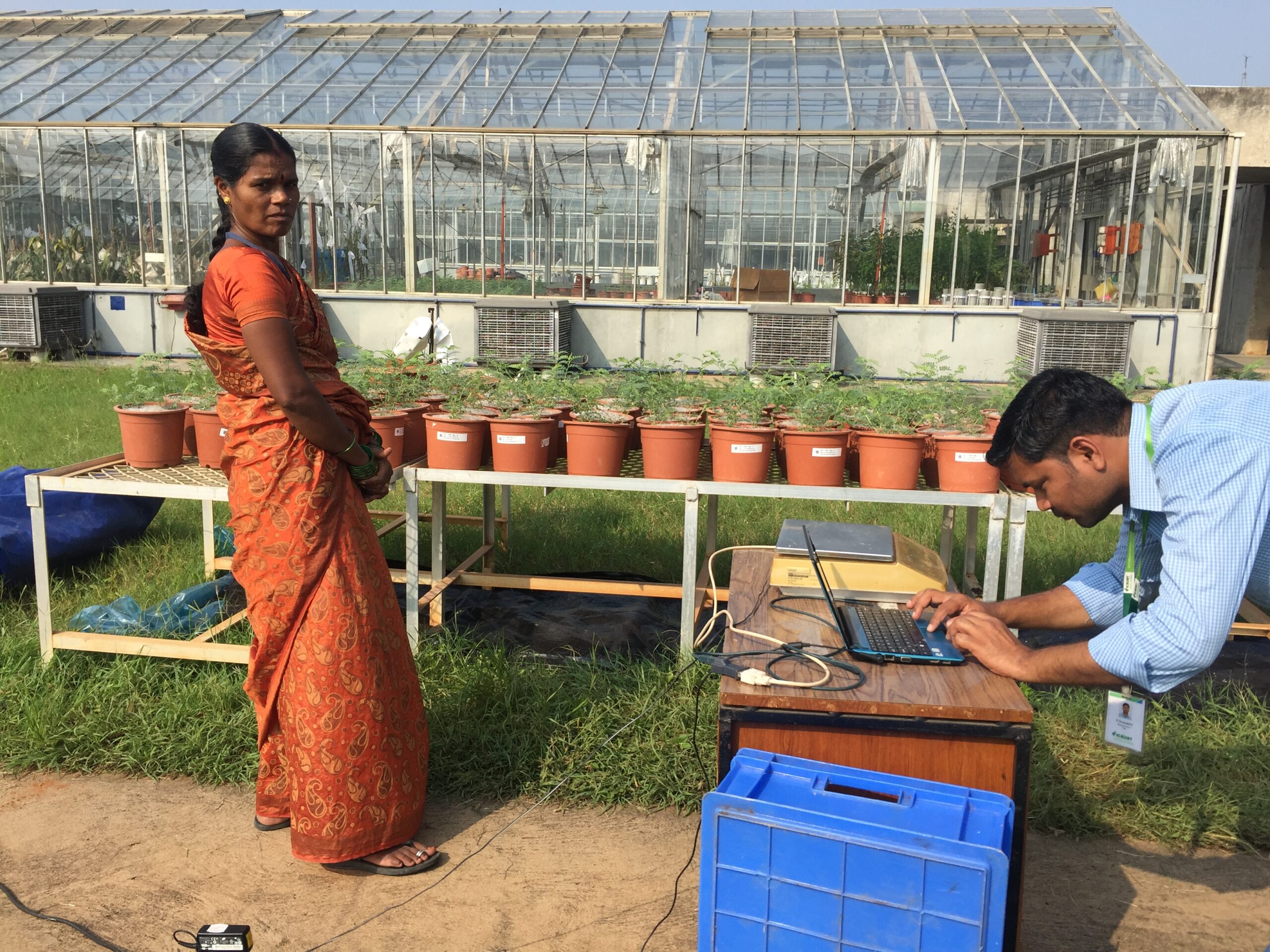
I also helped with a chickpea experiment investigating the impacts of transpiration and humidity changes on different genotypes. This involved weighing 80 chickpea pots, on the hour every hour for two consecutive days. This was to gain an insight into transpiration changes throughout the day, while in a growth chamber where humidity and temperature were being controlled.
I also gave a short presentation about the history of BCG and Yield Prophet®, they were intrigued with the progression of BCG.
Why did you do it?
I wanted to give back to some other people in need. Having been at BCG for over 10 years, I thought it was time to explore opportunities to help those in under developing countries and at the same time develop relationships with international research organisations. India was chosen because I have previously holidayed in Africa, and India seemed like the next choice. I picked this organisation because of the connections with Anthony Whitbread and Peter Carberry (both formerly CSIRO) who are now employed by ICRISAT.
What were the highlights?
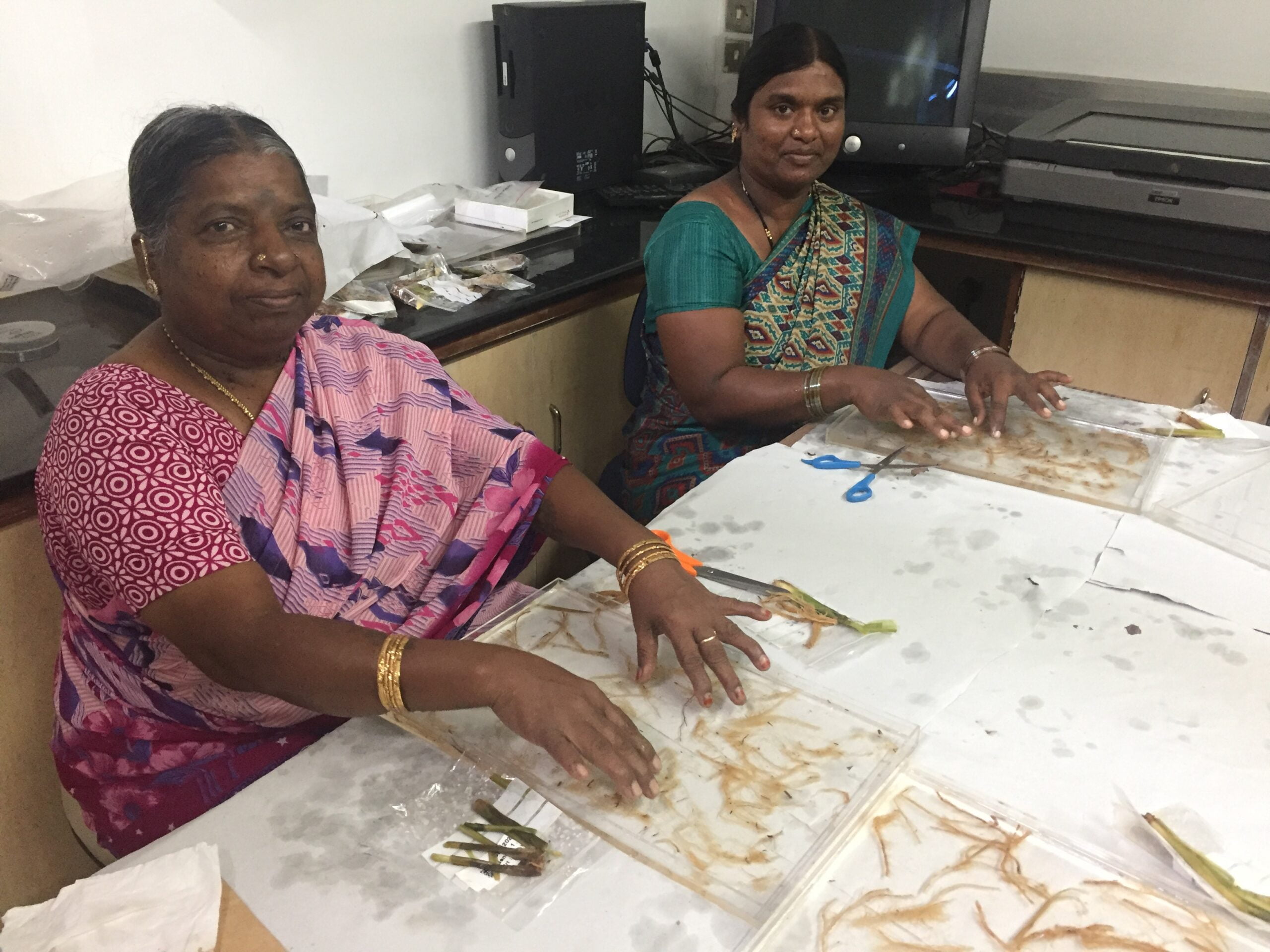
The highlight was interacting with the various Indian women who would work at the facility and trying to learn a few words so I could have brief conversations with them. Learning about all the research that is conducted around pearl millet and how much of a staple (human) food it is was excellent – in Queensland pearl millet is cattle feed!
What are the differences and similarities with India and Australia?
The main similarity is that we are all trying to help growers increase their production and profitability. The differences are they have less interaction with the growers than BCG does and breeding and genetics forms a large part of their priorities.
Local farmer producer groups are just being developed in India where their main priority will be to disseminate information. Hundreds of Indians walk into the campus each morning dressed in their sari’s to begin work, whether that be in the field, glass house or lab processing samples by hand.
Would you recommend it to someone else, and what advice would you give them?
Yes, I would recommend it because the people you meet and the opportunities for doing further work are endless. Indians are very friendly and welcoming people. Give everything a go and try all the different foods, it’s not all hot!