
After an extensive review, the APVMA has published its final decisions on paraquat and diquat. Both chemicals will remain available for use, but with new restrictions on application rates and permitted uses.
In summary:
- Paraquat is still registered for broadacre crops (and rice and peanuts), however the use is narrowed to aid crop / pasture or fallow establishment with up to 231 g paraquat active/ha, which is 0.92 L/ha of a 250 g/L product. Current registration for aiding cultivation is up to 1.6L/ha of a 250 g/L product for autumn sowing and up to 2.4 L/ha for winter, spring and early summer sowing.
- For optical spot spraying in fallows, rates up to 770 g active/ha are supported, but only where no more than 30% of the area is treated. (3.08L/ha of 250 g/L product)
- Other retained uses include spray-topping selected pulses at 200 g active/ha (0.8L/ha), and firebreak/non-agricultural areas up to 1140 g active/ha. A 14 day harvest WHP now applies to the pulse spray topping use (chickpea, faba bean, field pea, lentil, lupin), replacing the 7 day WHP on some labels which is driven by the residues/trade (MRL 1 mg/kg) assessment.
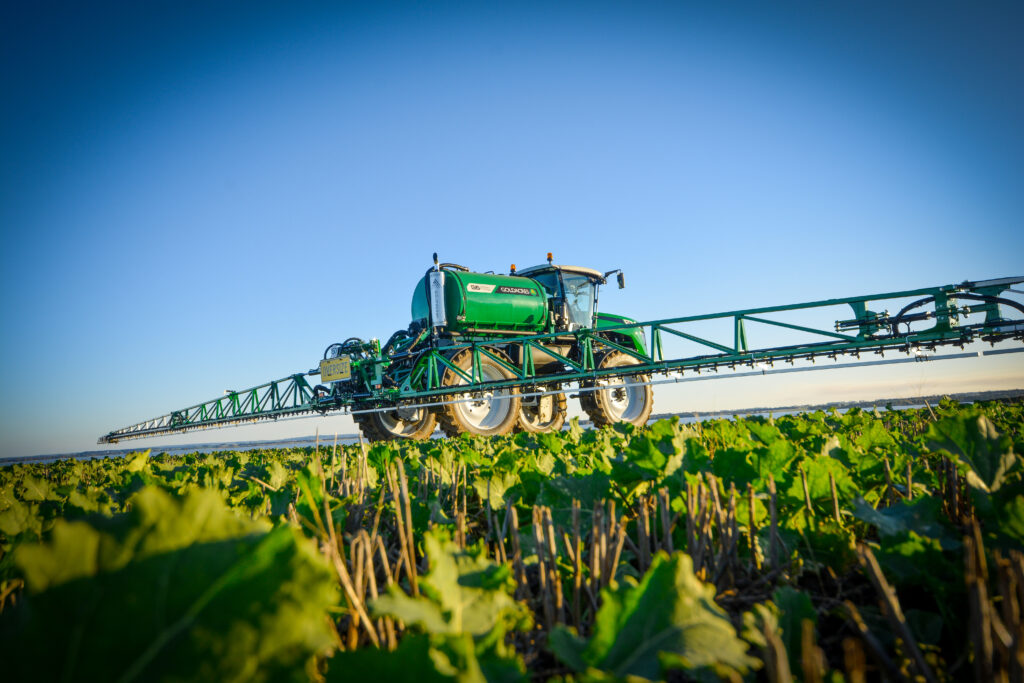
- Broadscale use now requires closed mixing/loading, enclosed cab application and tighter PPE/re-entry controls.
- A 2-year phase-out from 22 June 2026 for ‘registered paraquat chemical products bearing previously approved labels’ applies. Therefore, supply of paraquat with the old label is permitted up to June 2028, however new production of paraquat will require the new label.
Full pdf here: https://www.apvma.gov.au/sites/default/files/2026-06/APVMA%20Special%20Gazette%2C%2023%20June%202026_0.pdf
BCG strongly endorses safe and responsible chemical use with the safety of our farmers always paramount.