
Making the right call on nitrogen (N) fertiliser is one of the most critical and complex decisions grain growers face each season. The timing and rate of N applications can significantly influence yield potential, grain protein and profitability, but decisions must be made against a backdrop of uncertain rainfall, variable soil moisture and volatile input costs.
At BCG’s Main Field Day on Wednesday 10 September, growers will compare management approaches including N banking (building and managing a soil N reserve to reduce seasonal risk) and Yield Prophet® to learn how to maximise long-term return on investment and get a better result more of the time.
The concept of N banking has roots in one of BCG member Paul Barclay’s paddocks at Curyo, where the first trial was hosted in 2018. As part of the Nitrogen theme within the GRDC funded Riskwi$e project, BCG has now established six trial sites across the region, at Walpeup, Carwarp, Birchip, Marlbed and Longerenong. The research aims to provide insights into how different N strategies perform across different soil types and seasons.
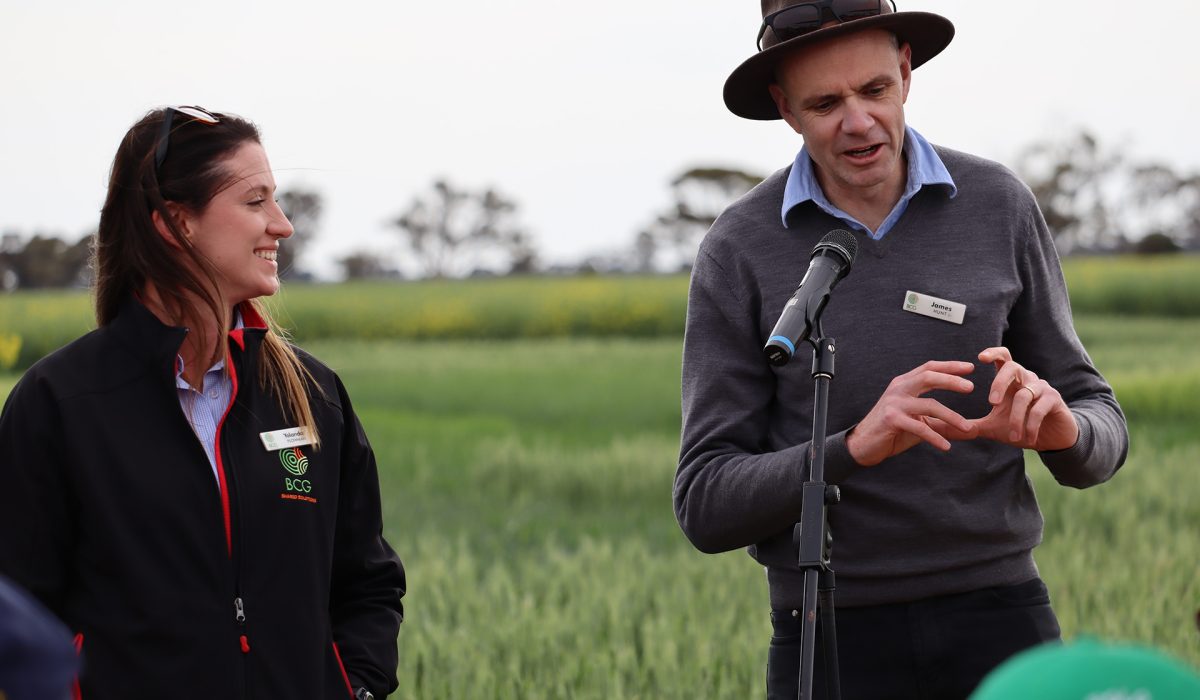
“Thinking about nitrogen decisions beyond a single season is key to making sure every dollar spent delivers value, even in dry or variable years,” said BCG Senior Research Manager, Dr Yolanda Plowman. “The network of trials across north-west Victoria and throughout Australia are comparing strategies like N banking and using decision tools like Yield Prophet®, helping growers to have confidence to make the right call more of the time.”
These high stakes decisions often come down to gut instinct or habit, however, research carried out by BCG increasingly shows that using a strategy backed by data is key to achieving good outcomes. While the data shows that both N banking and Yield Prophet 50 per cent decile strategies generally deliver similar long-term results, the choice between them often comes down to the type of decision maker involved. Active decision makers may be drawn to the dynamic nature of Yield Prophet®, which requires regular monitoring and in-season adjustments, while passive decision makers may prefer the set and manage approach of N banking, which reduces the need for continual intervention. Importantly, both strategies highlight that nitrogen decisions are best made using data rather than gut instinct.
Dr Plowman will be joined at BCG’s Main Field Day by Professor James Hunt (University of Melbourne), who will share some of the latest research outcomes, as well as highlight the importance of conducting a review of this years’ decisions. “No matter what you’ve done this year, it’s important to review the outcomes by looking at your grain protein and paddock N balance,” he said. “The review is a key step in the decision-making process and provides valuable context for the decisions you’ll make next year.”
BCG’s Main Field Day provides growers, advisors and research with the latest in local agronomic research. Entry is free for BCG members and $50 for non-members. For more information or to become a BCG member please visit the BCG website bcg.org.au.
RiskWi$e is a 5-year, $30 million national initiative (2023–2028) aimed at helping Australian grain growers navigate increasing levels of risk from weather variability and price volatility. By improving understanding of the risk-reward relationships in on-farm management decisions, RiskWi$e supports growers in making informed, confident choices that maximise rewards and minimise potential losses.
This event is supported by the Victoria Drought Resilience Adoption & Innovation Hub through funding from the Australian Government’s Future Drought Fund.