
Business overview
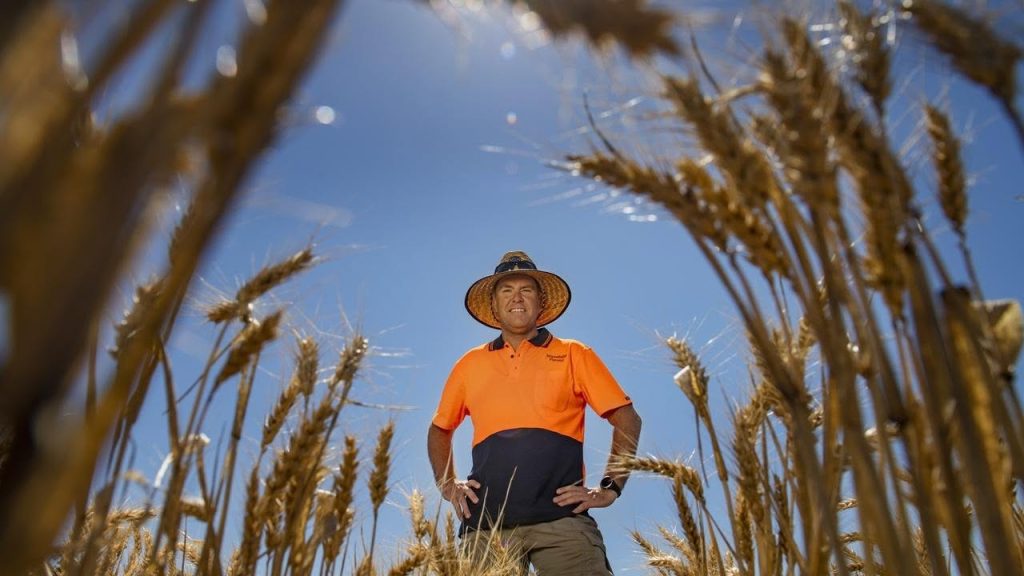
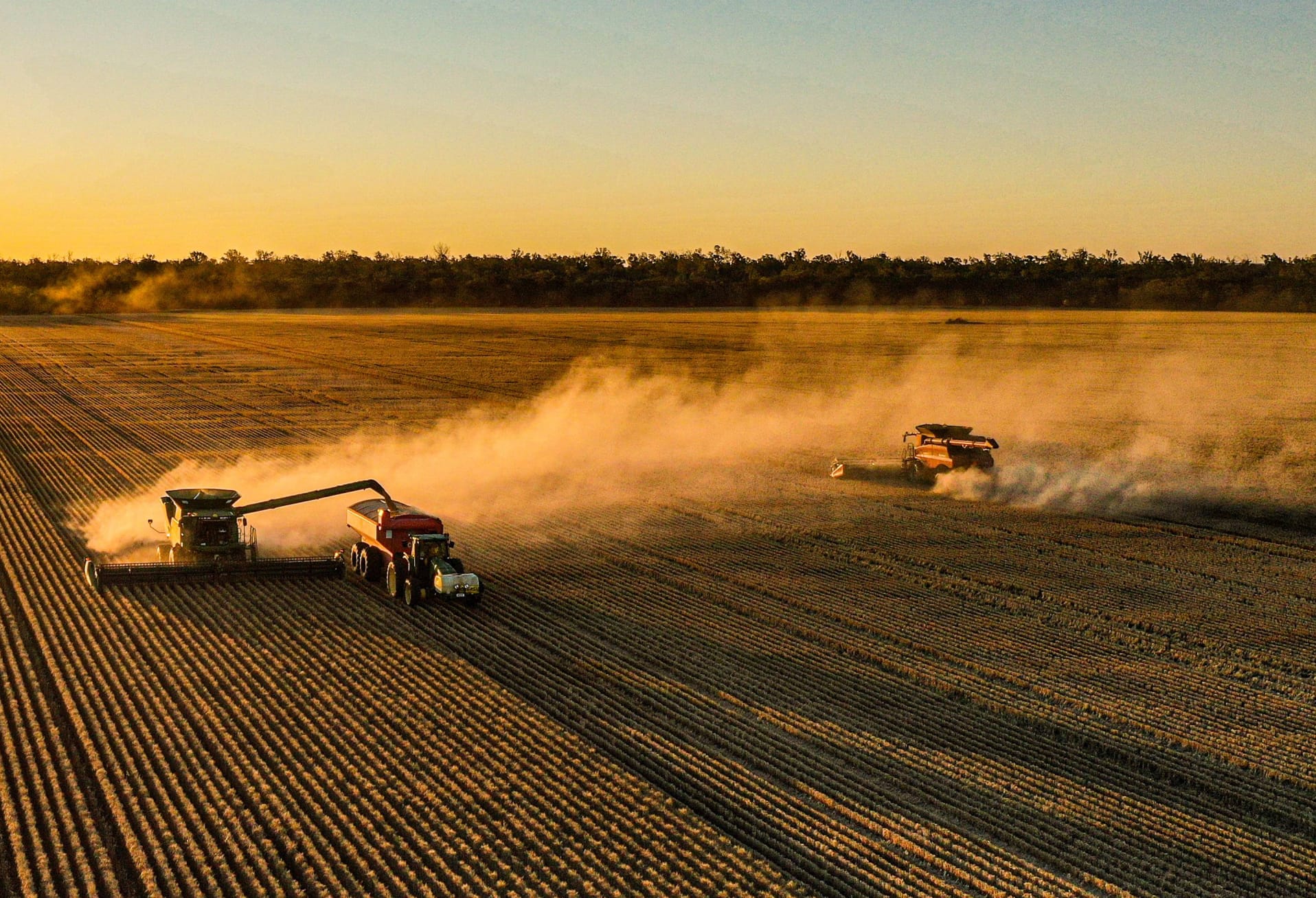
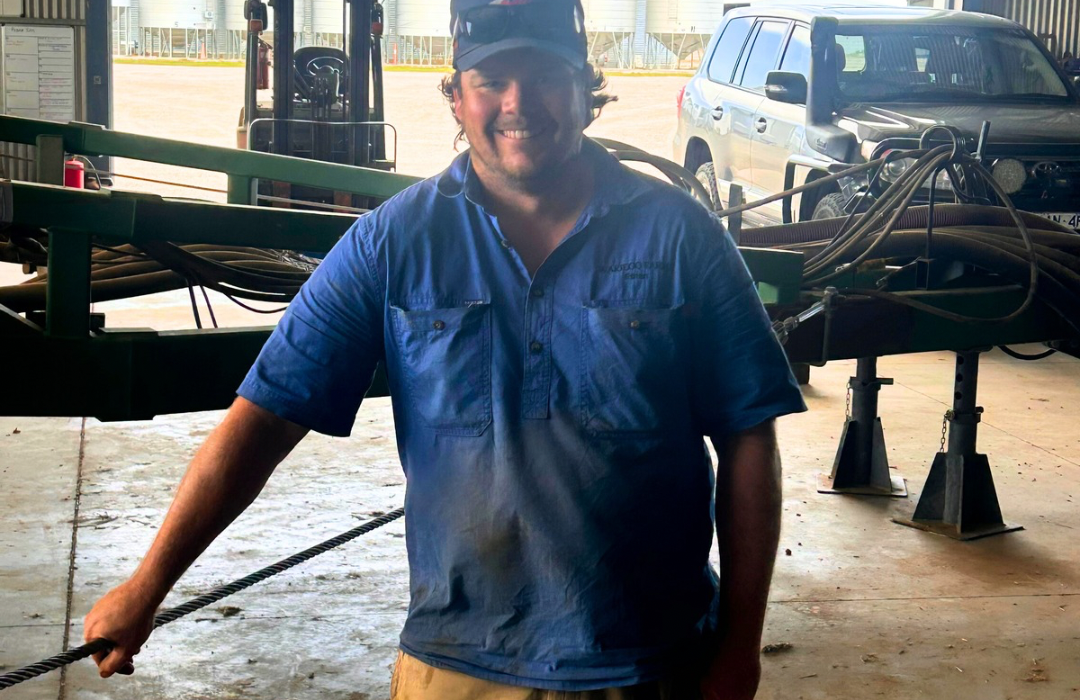
Warieoo Farms is run by Ethan and Emily Hocking, alongside Ethan’s parents. Their farm spans 3,500 hectares at Prairie in North Central Victoria. The program includes canola, wheat, barley, oaten hay and vetch hay, with lentils and faba beans introduced over the past three years.
The Hocking family also farm at Werrimull in the Northwest Mallee, where the rotation consists of vetch hay, oaten hay and wheat or barley.
Building legumes into the system
Ethan has been working to increase the proportion of legumes in the rotation, with a particular focus on lentils. While vetch hay has traditionally performed well, challenging windy conditions in 2025 highlighted some of the risks, prompting a shift toward greater lentil inclusion.
Expanding the legume area helps spread production risk, reduces reliance on a single crop, and contributes to building nitrogen across the system.
Soil improvement underpinning change
A long-term commitment to soil amelioration has been critical. Over the past 15 years, paddocks have typically received one tonne per acre of lime or gypsum (or both) every five to six years.
This investment has transformed soil condition to the point where lentils can now be grown across around 90% of the farm, something that was once considered unlikely for the Prairie environment.
Soil test results reflect this shift. Where pH levels sat at 4.7 in the 1990s, they now sit at 5.6-5.7, highlighting the impact of sustained, strategic management.
Scaling up lentil production
The Hockings are entering their fourth year of growing lentils. Initial plantings of 50 hectares across varied soil types have steadily expanded, reaching 250 hectares last year and increasing to 500 hectares in 2026.
Paddock selection has been deliberate, favouring areas with a history of lime application. This season, lentils, faba beans and vetch will each occupy around 500 hectares, providing balance across the rotation.
A patient approach to marketing
Market conditions continue to play a significant role in lentil production decisions. After several years of strong pricing, around decile nine or ten, values have eased back to closer to a decile four.
In response, Ethan has sought advice from experienced growers and marketers, many of whom advocate for on-farm storage. Lentils can be stored for five to six years, allowing growers to hold grain and target stronger price periods.
This approach requires both discipline and capacity, but it underpins the Hocking family’s current marketing strategy.
Value of local research
Having a nearby Birchip Cropping Group (BCG) trial site has provided a valuable reference point. The lentil variety Thunder performed average to above average on-farm this year, yielding 2.5 t/ha, slightly higher than the previous season.
While trials are conducted under near-ideal conditions, they offer a useful benchmark. Achieving comparable results on-farm gives confidence that management decisions are on track.
It was particularly encouraging to see Thunder perform consistently both on-farm and in the 2025 trials at the site.