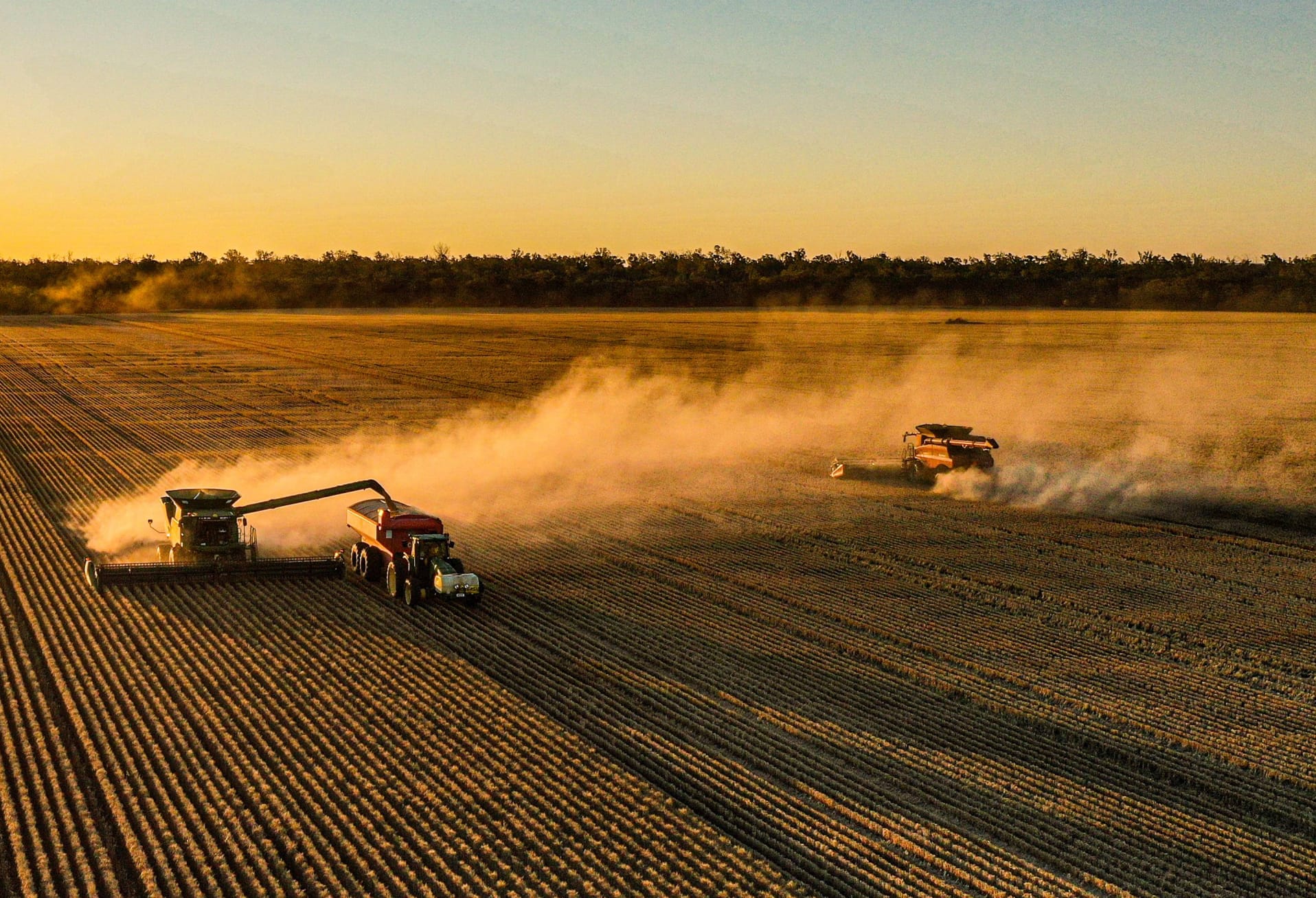


Growers contemplating how they will harvest their canola this year should consider the pros and cons of both windrowing and direct heading the crop, as well as machinery availability and logistics.
During a presentation on canola growth stages at Quambatook on October 3, BCG research agronomist Simon Craig said there were benefits to both harvest methods but for many growers the decision ultimately came down to cultural practice, timing and logistics.
“For a lot of growers the optimum time to direct head canola is when they the barley is ready to be harvested,” he said.
“Windrowing gives them the opportunity to start their canola a bit earlier and avoid this clash.”
For others though, machinery becomes the lynchpin when making the windrow versus direct head decision.
“We don’t have the right header front to pick up windrows so we direct head,” said one grower.
“We save on contracting fees … it works for us.”
The majority of canola grown in Australia is still windrowed, but an increasing number of growers are moving towards direct heading in low and medium rainfall regions.
As well as cost savings, growers cite greater flexibility as a reason why they have adopted the practice. Because direct harvesting removes the need for contractors, growers say they can more easily adapt to seasonal conditions that will alter the optimum harvest date.
In addition, advances in harvest machinery and improved varieties with faster maturing and less shatter-prone pods are negating some the reasons why growers might have traditionally opted to windrow. Also becoming more widespread is the use of pre-harvest treatments like Desikote Max and desiccation with Reglone, and potentially Roundup (currently under review by the APVMA for use as a canola desiccant), to aid in direct heading.
While windrowing ensures pod maturity across the crop is more even, research suggests growers could be missing out on yield that would come from late forming pods. Conversely, direct heading can contribute towards quality issues due to pods of uneven maturity.
In 2010 BCG research found that there was no significant yield difference between crops that were windrowed and those that were direct headed. This results from this trial also indicated that there was no yield benefit from treating crops with Desikote Max or Reglone prior to harvest. Nor was quality significantly different in any of the treatments.
In this trial direct heading without chemical proved to be the best option both economically and operationally, however it was suggested that when uneven ripening is expected or damaging weather forecast, windrowing is still the safest pre-harvest option, as windrowing would reduce the number of days the crop is exposed to unforeseen weather. Damage from wind and moving windrows around can also cause significant damage and frustration for farmers.