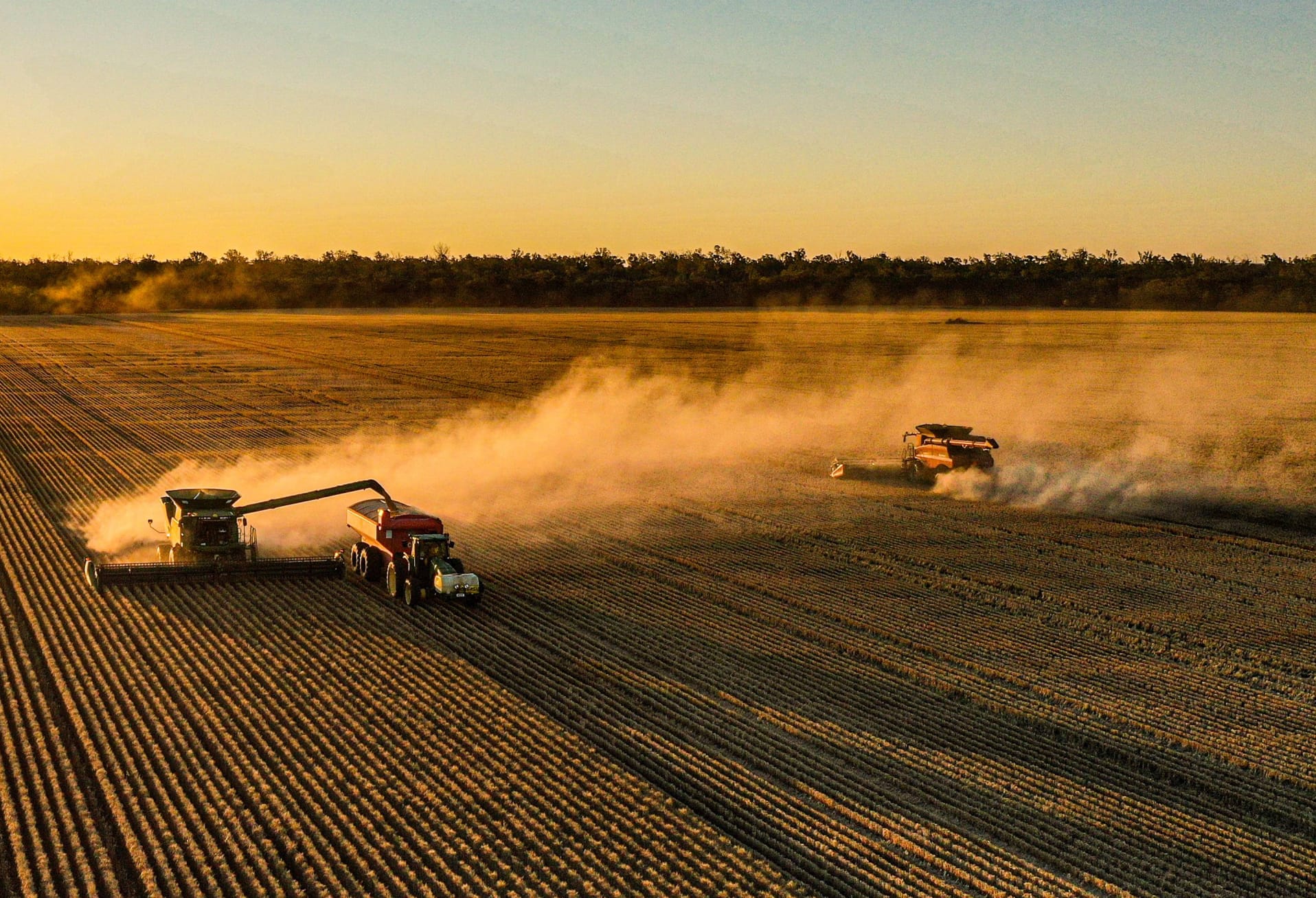


One of the busiest harvests the Wimmera and Mallee has ever seen is concluding, and many have begun reflecting on 2016 and are considering variety selection for the 2017 season.
In hindsight, canola was one of the hero’s of season 2016 which delivered high rainfall and low cereal prices. Unfortunately for many, the risk of growing canola after two consecutive poor seasons was too high and paddocks ear-marked for canola last year were sown to other crops.
The performance of canola over the past three to four seasons has shown how reliant this crop is on good subsoil moisture or in-season rainfall. Dry seasons, frost events and pest infestation have caused many growers to seriously consider the inclusion of canola in their farming system.
Nevertheless, with more varieties available there are increasing options. Growers can chose between open pollinated (OP) and hybrid seed and with triazine tolerant (TT), Roundup Ready® (RR), Clearfield (CLF), conventional and Roundup Triazine (RT) varieties now available, it is easy to see why it can be hard to understand which variety is best for your property.
In 2016 canola variety trials were conducted at Nhill and Manangatang. Results from these trials are included in the 2016 BCG Seasons Research Results compendium and will be presented and discussed at Trials Review Day, on February 17.
Canola specialist Rohan Brill (NSW DPI) reminded attendees at the Main Field Day last September that while hybrids were able to capitalise in good years, they did have greater downside risk due to the nature of the price of purchasing seed. He stressed that each farming system is different and choosing between OP and hybrid seed would be an individual farm choice.
After deciding what variety and what seed to use, seed cleaning and grading decisions also need to be made.
Research published by Mr Brill in 2014 looked at the correlation between larger seed size and seeding depth, and how this impacted on emergence and early vigour. This research was conducted in NSW where there was sub soil moisture below 5cm and no forecast of sowing rain in the near future.
The research showed that when grading seed with a 2mm sieve and keeping the larger than 2mm seed for sowing deeper (5-6 cm deep) there was an increased likelihood of achieving adequate establishment.
At Kalkee in 2016, BCG looked to further investigate the effect of seed size on crop development and yield, and if there was a difference between hybrid and OP varieties. While establishment differences where observed as per Mr Brill’s research, this trial exhibited no difference in yield.
Further results and interpretation are published in the 2016 BCG Seasons Research Results compendium, which will be available to members at Trials Review Day on February 17.
To become a BCG member head to the website, www.bcg.org.au, or call (03) 5492 2787.
More BCG research available at: https://www.bcg.org.au/canola-varieties-2/
You can also listen to Mr Brill’s presentation from the BCG Main Field Day see the linked below.
https://soundcloud.com/bcg-birchip/nailing-canola-management-rohan-brill-nsw-dpi?in=bcg-birchip/sets/bcg-main-field-day-14