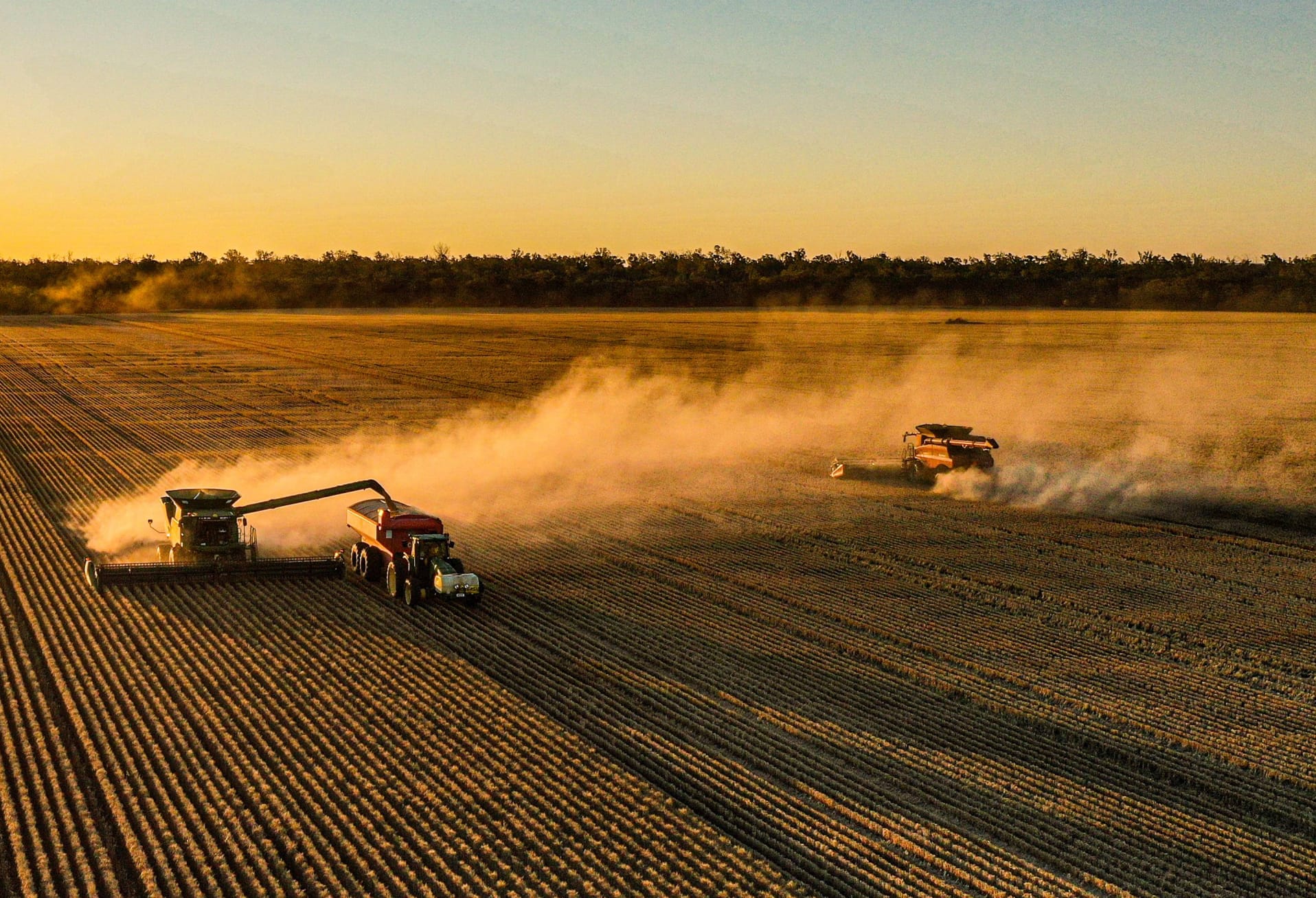


There’s been a late start to the season over much of the mixed farming areas of Australia, with some areas still dry. Hand feeding continues where pasture growth has been limited and now slowing as we move into winter.
Taking the guesswork out of feeding or selling Merino sheep was discussed by David Brown, livestock consultant Holmes & Sackett, in an AWI Sheep Connect webinar ‘Taking the guesswork out of the decision to feed merino sheep? Making the right decision’ in June.
A key resource David referred to was ‘Which sheep do I keep?’, available on AWI’s website.
Getting prepared – what you need to do
Begin by breaking up the flock.
- Separate the flock into marketable classes. This might be:
– 2017 drop ewe and wether weaners
– 2016 drop ewe and wether hoggets (culls, dry and scanned in lamb [SIL])
– Wethers (cast for age [CFA] and retained)
– Breeders (CFA, drys and SIL)
- Identify those that were going to be sold within 12 months anyway, that will not need replacing once the dry breaks. Decide whether or not to bring forward their sale, based on whether the cost of feeding them will outweigh the additional value that could be added to them.
- The remaining classes, if sold, would need to be repurchased to maintain target stocking rates (eg. buying in breeding ewes), once pastures allow.
Then, estimate the feeding period. Uncertainty about how long and how much feed will be needed during a feed shortage is the largest hurdle when deciding the best strategy.
Consider:
– When you usually grow feed
– What time of year it is now – how many months ahead of feeding?
– The reliability of seasons in your area, ie. what’s the likelihood that you’ll get the rain needed to grow feed. CliMate is a tool that you can use to gauge the likelihood of a seasonal break.
AND, also consider condition scores (CS) – how much will their condition lessen the supplementary feeding bill?
Doing the sums – are you able to pay for the feed?
There are 3 key considerations.
- Marginal income
i. Current v future value of the animal. This is your ‘trading margin’, which beside the feeding period, can also be a big punt. In some instances, the trading margin will pay for the feed.
- Current value – ask your agent, check Auctions Plus results etc.
- Future value – you’ll need to take a position on a value at the end of the feeding period. What your estimated weight for those animals is at the end of feeding. Will the end of the feeding period be the same for everyone else? What’s the likely market response to that? Use historical market trends.
ii. Production over the feeding period
- For merino’s, wool will generate some income. The estimate of how much wool is grown needs to be reflective of feeding and conditions.
Eg. wethers at an 80% ration
Normally cut 6.5kg clean fleece weight(CFW)/annum = 18g CFW/day
Adjust by 80% = 14g/day (note this is not a direct relationship, just an example)
@ $20/kg CFW = $0.28 income/day
- Note that change in liveweight or change in reproductive status is included in trading income.
- Marginal costs
i. Feed costs
- Understand energy requirements for the different livestock classes and stages of pregnancy. Eg. Using Table 1a, a 50kg ewe with twins needs 11.1 MJ ME/day at day 100 of pregnancy. If you haven’t scanned, then estimate energy requirements based on expected proportions of twins and singles, and by day of pregnancy. More information is at AWI Drought Resources.
- Estimate the value of what they are grazing or being fed. Unless they’re in a drought feedlot or on literally nothing in the paddock, you’d expect them to be getting some energy from the paddock, something like 200-400kg DM by now. A new Livestock Feed on Offer assessment guide has been developed by the Warracknabeal Best Wool Best Lamb group supported by Yarrilinks Landcare.
- Are they to gain or lose CS? If stock are low on condition score, we don’t want them losing score in late pregnancy, so they’d be best to have a surplus of 1 MJ/day to achieve a 0.05 CS increase (see Table 3). A high condition score sheep can afford to lose half a condition score, meaning they can have a deficit of -5 MJ/day over 30 days.
- Figure out what they need from supplements. For example, if:
11.1 MJ ME – is our twin ewe requirement at day 100
2 MJ ME – is our estimated intake from green shoots in the paddock, and
1 MJ ME – is her required energy surplus to hit CS target
Then 11.1 – 2 + 1 = 10.1 MJ ME required supplementary feed energy
Animal requirements change quickly, especially in reproductive animals, so recalculate requirements monthly. Pasture status will also change.
Some sins of feeding:
- Not feed testing (Table 3.3) – especially on hay and oats which can be variable.
- Budgeting feed at feed cost of production. Feed is feed at current market price – always!
- Not using the most cost-effective feed – cereal grain is usually the best.
¢ per MJ of ME in the sheep’s mouth is key!
- Failing to work out ration cost and ME – NSW DPI’s ‘Feed Cost Calculator’ is recommended.
Calculate the energy requirements over a longer time period and cost by month. Even though the expected supplementary feeding requirements are nominal, you can expect feeding to reduce as pastures get ahead. The budget will estimate expected supplementary feed needs and costs. In the example below, if we look at total energy requirements, and assume that the feed ration has 10 MJ ME/kg, we can see that we will need 117.7kg of feed ration (1177 total ME/10 MJ ME per kg ration), that will cost $45/head.

ii. Other marginal costs may include:
- Drench
- Marginal selling costs
- Other supplements
- Scanning
- Deaths
- Dust in drought lots – discounts in wool, risk of pneumonia
- Interest in outstanding capital (but this can be considered when calculating returns)
- Labour – is a sunk cost. Consider what other jobs are not getting done – will they generate better returns? Labour represents 5-15% of the cost of feeding, and is worth calculating in more intensive containment situations.
3. Return ($ and %) on the feeding exercise
Making the decision – if returns don’t exceed the cost of debt, should you keep them? Look at the best returns for each stock class.
Marginal profit per animal ($/hd) = marginal income ($/hd) – marginal expenses ($/hd)
Return on current sheep value (%) = marginal profit ($/hd) / current sheep value ($/hd)
Other consideration
- Shearing – can increase energy requirements by 20-60%
- Cash flow – will your bank back you? If the bank won’t back you but it’s a good decision to feed, present your considered calculations, even bring a professional on board.
- Do you have the resource? Silo’s, feed pits, feed out trailers, suitable areas, water.
- Don’t underestimate the strain of feeding
- Genetics
- Large variation in quality of restocker animals
- Don’t overestimate your own genetics – is this a chance to upgrade?
- Biosecurity – restocking can be a biohazard
- What worked one year doesn’t mean it will work the next year – do the sums each year.
Although assumptions need to be made and it can feel complicated, David suggested to keep the process simple: focus on the feeding period, and do the marginal analysis on that period, while remembering to get back to optimal stocking rates at the end of that period. If you don’t have the time to do the number crunching yourself, engage some help to get the job done early – don’t delay the timing.
The AWI Sheep Connect webinar ‘Taking the guesswork out of the decision to feed merino sheep? Making the right decision’ can be accessed at this link.