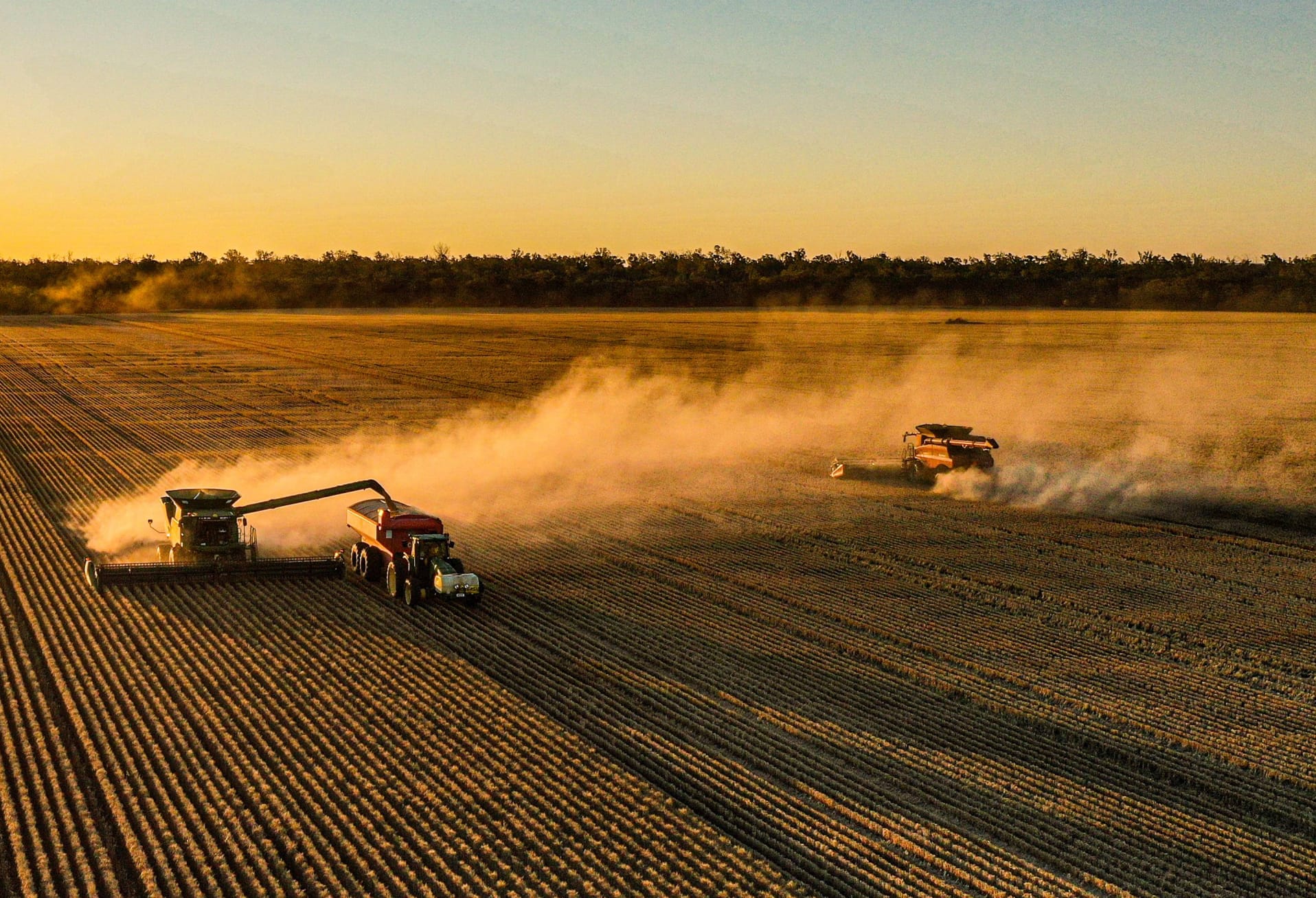


Wimmera and Mallee farmers have had a favourable growing season but recent frost and rainfall events are likely to impact on quality.
Early November frosts throughout the Wimmera smashed crops, particularly high value pulse crops costing an estimated $180M in damages. Rainfall during early December of between 20mm to 150mm has slowed harvest and may lead to quality downgrades.
Fortunately, a majority of farmers had worked tirelessly to get high value crops of canola and pulses in north west Victoria and cereals are the majority of crops still standing.
One such result from rainfall during harvest is the potential for sprouting where the seed germinates in the head of the grain. This is of significant concern at harvest time and the risk can increase with large and prolonged rainfall events, preventing the canopy from drying out quickly.
BCG researcher Linda Walters said BCG research indicated that Scope CL barley was the most tolerant to sprouting, while Spartacus CL, La Trobe, Commander and Hindmarsh were more susceptible.
ADM Grain Accumulation Manager for Victoria, Peter Sidley, explained that marketers will be looking at what has occurred to the quality of the unharvested crop.
“Such quality downgrades will see less of both malting barley and higher grades of wheat being delivered, while at the same time more feed quality grain will become available.”
But, it will only be once headers re-enter the paddock will they be able to ascertain just how much the grain quality profile has changed.
“This is likely to see pricing for these premium grades remaining firm over the harvest period, while the feed markets are likely to come under downward pricing pressure.”
For further advice or guidance on marketing weather affected grain, contact your grain marketer.
This article was published in the Stock and Land, 14 December.