

Due to low rainfall across most parts of North West Victoria, farmers are being encouraged to consider all implications of dry sowing in order to maximise their production while reducing the risks associated with dry sowing.
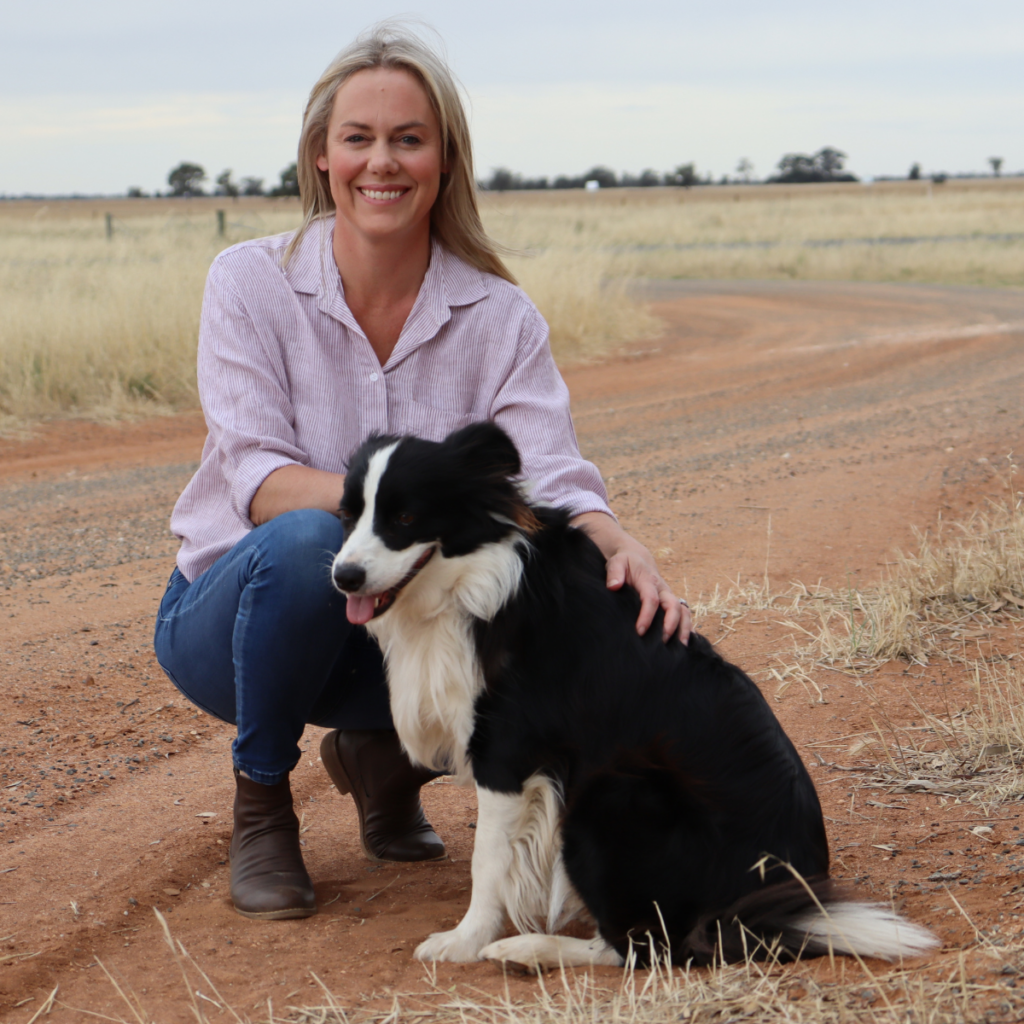
There is currently no clear indication of when an Autumn break will reach the region, and BCG research leader Claire Browne emphasised some considerations growers need to remember when dry sowing, particularly large parts of their farm.
“Cleaner paddocks are the preference for dry sowing, as weed pressure will restrict crop growth,” Ms Browne elaborated,” Ms Browne said.
Ms Browne also provided the following tips:
- Sow those paddocks that you would sow regardless of the break. For example, livestock feed, green manure and hay.
- Sub-soil moisture is an asset and be pivotal for the season. Canola has shown in the past it can be effectively dry sown when sub-soil moisture is present.
- Keeping seed and nitrogen separate is also important to avoid seed burn, particularly in canola.
- Soil mineralisation, has been lower than normal, due to lack of summer rainfall.
- Nitrogen applications need to be considered and an option could be deep banding.
Mice are a key concern for growers with sowing providing the opportunity to increase bait efficiency.
Ms Browne said for baits to work effectively, there will need to be sufficient soil throw to cover the existing feed source for mice. Baiting as soon after sowing as possible, within 24 hours, will be beneficial.
Growers will likely experience some loss from mice and an option could be to increase seeding rates to account for potential losses from mice.
“Increasing seeding rate by 10 per cent will assist in accounting for lower germination resulting from dry sowing and potential loss from mice damage.”
The lack of rainfall over the summer will also be of concern for residual herbicides.
“Due to the lack of rain, residual herbicides from last year may have not broken down due to the lack of rain.”
For time of sowing trial results visit the BCG website at www.bcg.org.au. Alternatively, speak to your agronomist or phone the BCG office on 03 5492 2787.
This article was published in the Stock and Land, 19 April.