

As spring arrives, and the weather gets slowly warmer, the critical flowering period will soon begin.
Flowering time is arguably the crop’s most yield sensitive time, especially if there are frosty nights and early mornings. The floral tissue is sensitive to the cold weather which can deter grain formation and, therefore, have a considerable affect on yield.
Crops will be more resilient when weeds and disease are controlled, and nutrition (urea) is adequate. Within our field trials, BCG aims to ensure trials have good basis as we approach flowering time when crops are vulnerable.
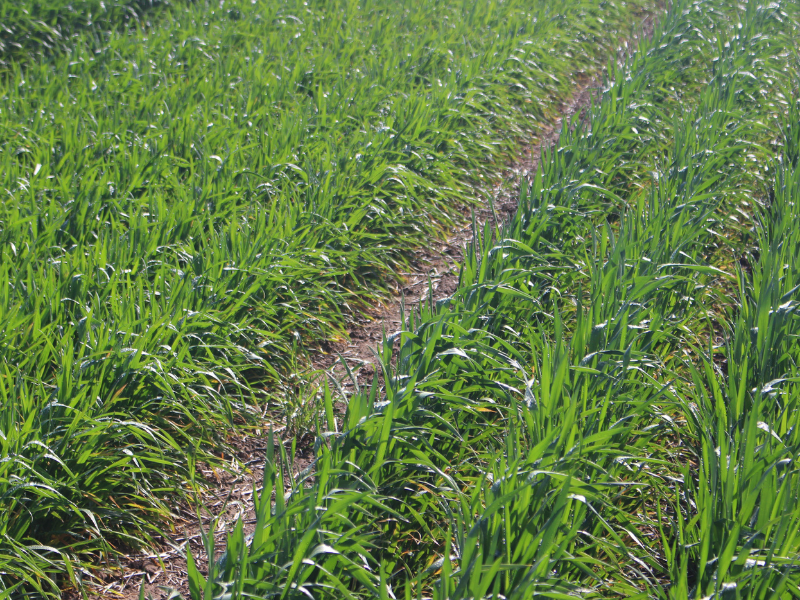
The good rainfall has been consistent and is producing some bumper crops around the region. Most of the BCG trial sites have flowering canola and pulses with cereals at flag leaf emergence.
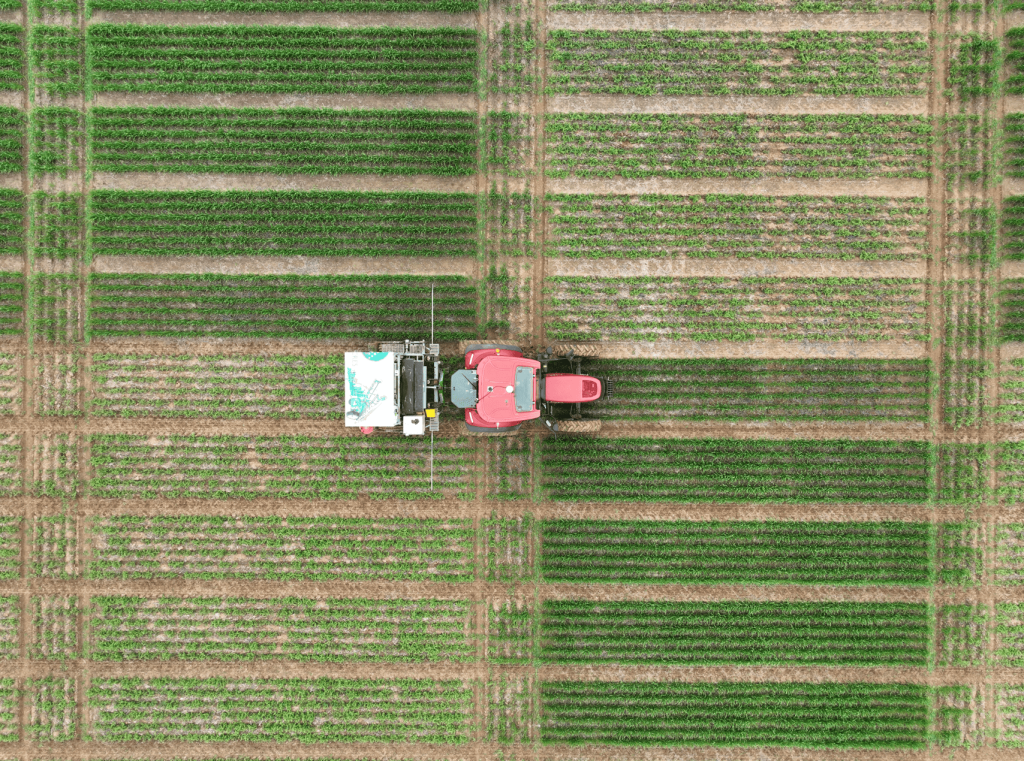
With a good yield potential likely we have been busy top dressing urea with rates adjusted in accordance to Yield Prophet® and soil results.
As trials near flowering time the research staff have been closely monitoring growth stages so that flowering biomass cuts can be performed at growth stage 65 (refers to anthesis – anthers occurring half way to the base and tip of the ear). Flowering biomass cuts allow us to determine hay yield potential which is an important factor in variety and grazing trials.
The BCG drone will be arriving mid-September which will allow us to take high resolution photos of plots and NDVI (Normalized Difference Vegetation Index) measurements which determine crop ‘greenness’. Currently we have collected data from the main site at Warmur, Manangatang and Lubeck using the drone.
Previously, NDVI measurements were taken using a hand-held Greenseeker. These NDVI readings can tell us differences between varieties, nitrogen treatment, grazing treatments and plant density.
As the conditions become more inductive to rusts and other fungal diseases we have been spraying fungicides at all our trial sites. With a wetter than average spring predicted fungicide sprays need to be occurring now to ensure coverage is adequate in fungal disease control.
Growers are advised to check crops regularly for sign of infection. The majority of fungicides work by protecting the plant from further infections.
Over the next few weeks the research team will be collecting partitioning data from wheat varieties. This process involves separating one wheat stem into the head, stem and leaves weighing each segment to determine which varieties or treatments initiate higher rates of growth.
With the BCG Main Field Day approaching the team has been busy preparing the site for visitors on September 14. Continual weed sprays keep the trial site tidy with some hand weeding required in plots/varieties that are sensitive to sprays.