

September delivered conditions that were in stark contrast to our experiences in September 2015.
With crops now reaching mid flowering (GS65) the research and operations team have been busy taking peak biomass cuts from various trials including wheat and barley grazing varieties, grazing and gibberellic acid in oats and gibberellic acid use in lentils and vetch.
Crops are closely monitored to determine when a variety or treatment has reached mid flowering. When a cereal is mid flowering the anthers (protruding sacks) are visible half way to the tip and base of the head. Barley can sometimes be a little harder to accurately determine when mid flowering is occurring because flowering can occur while the head is still in the boot. In this case you need to open up and peel back the layers of the floret to expose the anthers.
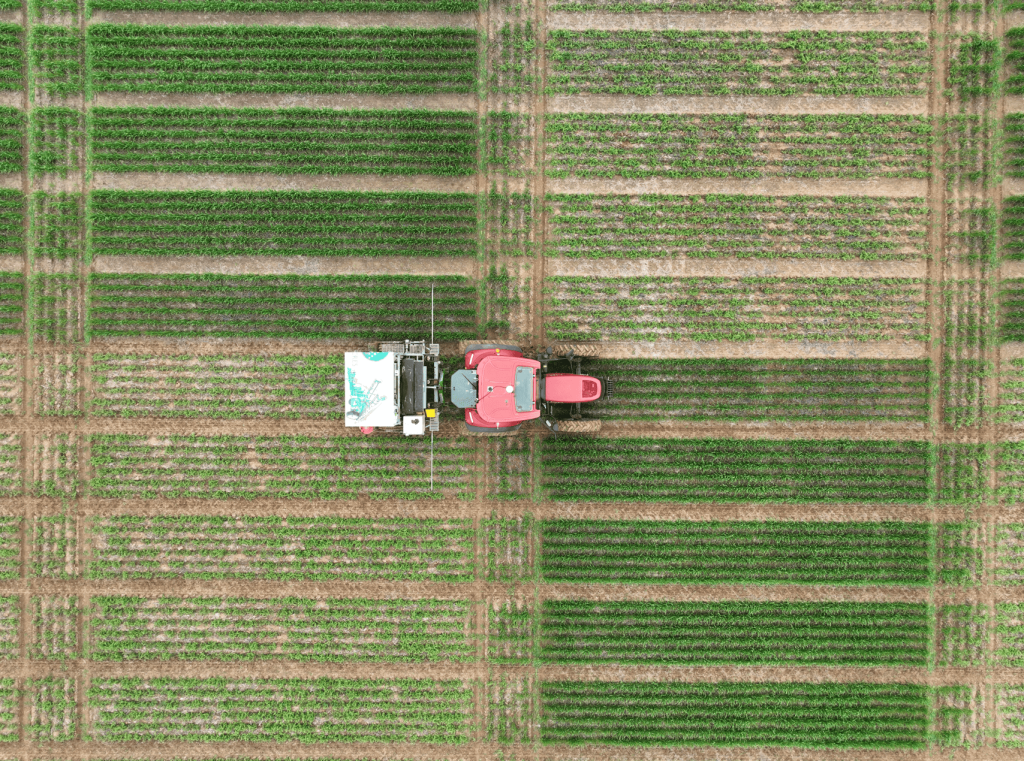
Trials have received multiple applications of fungicide and insecticide to keep aphids, grubs and disease at bay. As fungicides are a protectants, and not curatives, fungicide is best applied before a fungal outbreak occurs. The BCG operations team will apply a fungicide every four weeks to ensure trials are protected against fungal pathogens.
The research team has also been busy with treatment sprays which are performed with a hand-boom. One of the trials is looking to determine the appropriate fungicide regime for pulses.
The combination of early sowing and a wet spring in the Mallee region has caused some issues in crops with a high yield potential this year. The previous season was not conducive to fungicide applications, so this year there are a lot of questions surrounding best management practice in pulses.
The NSW DPI canola phenology trial at Longerenong has had flowering cuts taken in all varieties over the three time of sowings. The percentage flower drop in all varieties will also be measured. Once all plots have dropped flowers we will then assess for colour change.
In some trials loose smut, frost damage and lodging has also been observed. In some of the oats trials up to 90 per cent of the plot has lodged.
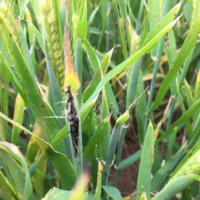
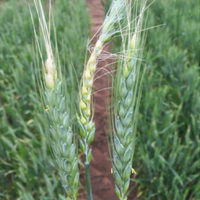
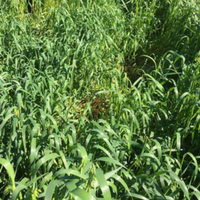
Trial plots are scored according to certain parameters that can influence how treatments will yield. If there is an under-performing yield from a plot, staff will review the assessment data to ascertain what lodging score it was given and determine the influence of this on the ultimate yield.
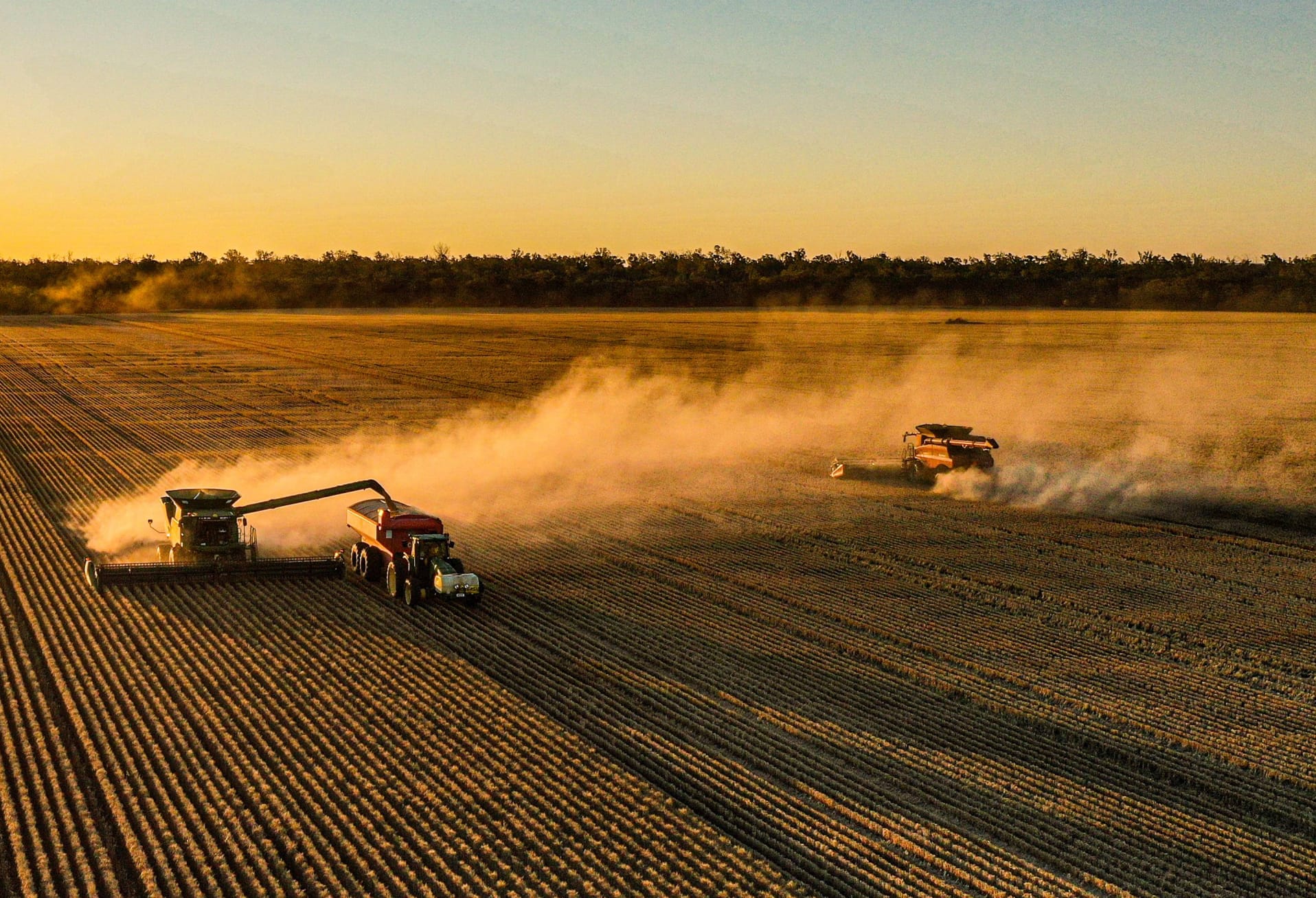
The big task looming ahead is harvest and preparations for this busy time have commenced, beginning with header services.