

Having a suite of options and measures to reduce risk and increase profit is vital to the sustainability of the farming business.
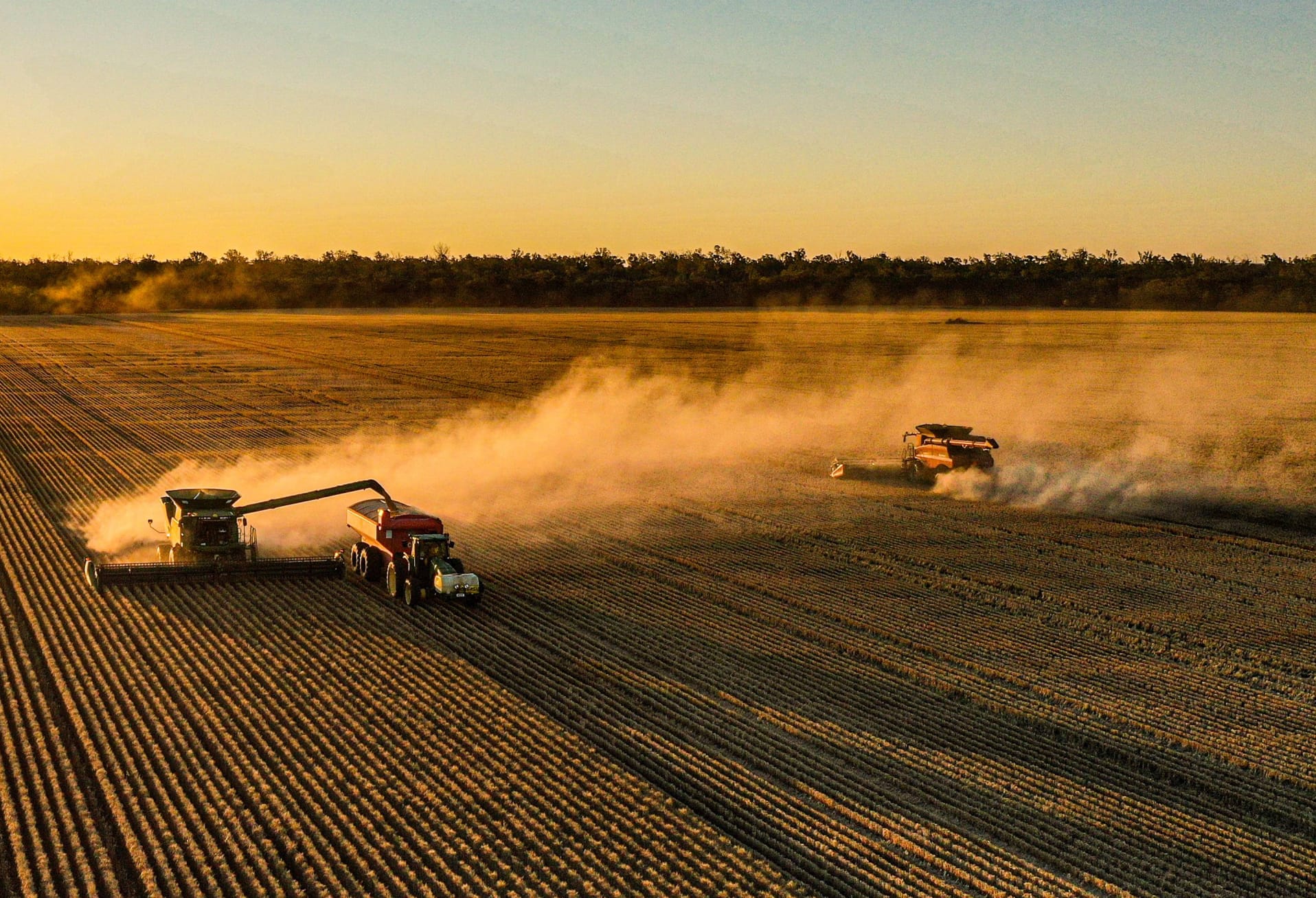
At the 2018 BCG Main Field Day, PhD researcher David Cann from La Trobe University, will discuss two topics that can help you get the most out of your farming system: ‘the profit and risk benefits of long fallows in the Mallee’ and winter wheat in the Mallee system.
Supervised by La Trobe University senior lecturer and scientist, Dr James Hunt, Mr Cann collaborated with Associate Professor Bill Malcolm from the University of Melbourne to do a simulated study of long fallows. This investigation was part of a Grains Research and Development Corporation scholarship investment.
“Incorporating a chemical long fallow into a rotation reduces value-at-risk and inter-annual income variability, as well as reducing the sensitivity of the rotation to changes in crop or input prices. This improves the resilience of a farming system in the face of a variable climate and fluctuating crop prices,” Mr Cann explained.
The inclusion of break crops has reduced the use of long fallows, but Mr Cann’s research is showing while break crops provide increased income in the cropped year it doesn’t adequately consider the whole farm benefits of the long fallow.
“These conclusions have been based on simplistic gross margin analyses and ignores the whole farm benefits provided by long fallows, such as increased timeliness of operations and reduced income variability,” Mr Cann elaborated.
While long fallows are a way of spreading income over seasons, the opportunities of growing winter wheat varieties will be about capitalising on variable conditions.
The benefits of early sown winter wheat could be considered a moot subject in 2018 as growers across the region were forced to reconsider their sowing program as rainfall during April and May was lacking. But, when the opportunity arises increased profitability for Mallee growers could occur, particularly for those with sheep.
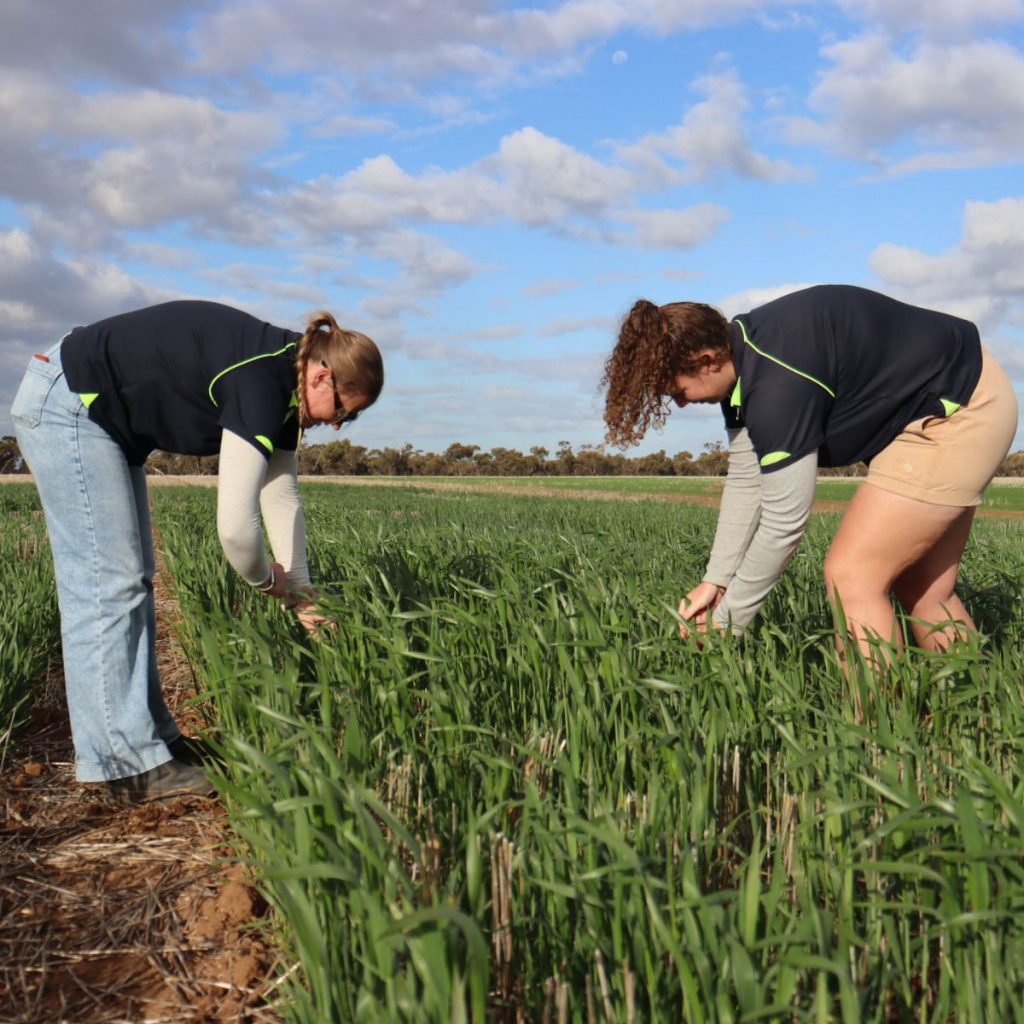
Mr Cann’s PhD focusses on adaption of winter wheat varieties in the Mallee and he will share his findings in “What does the perfect winter wheat look like?”. The research aims to identify traits important for adaption of winter wheats to low rainfall environments, help improve the process by which winter wheats for the region are bred and ultimately giving growers faster access to higher-yielding cultivars.
In the first trial there are 72 lines derived from a Mace/Gauntlet cross, with results helping to compare which phenotypic traits drive yield in winter compared to spring wheats.
The second trial has 600 early-generation winter wheat varieties which were hand sown, in the aim to identify lines that may one day be the perfect winter wheat for the Mallee.
The BCG Main Field Day is on September 12 at the BCG main research site at Narraport, on the Nullawil-Birchip Rd. For more information about the event visit www.bcg.org.au/events or phone 03 5492 2787.
This article was published in the Stock and Land, 22 August 2018.