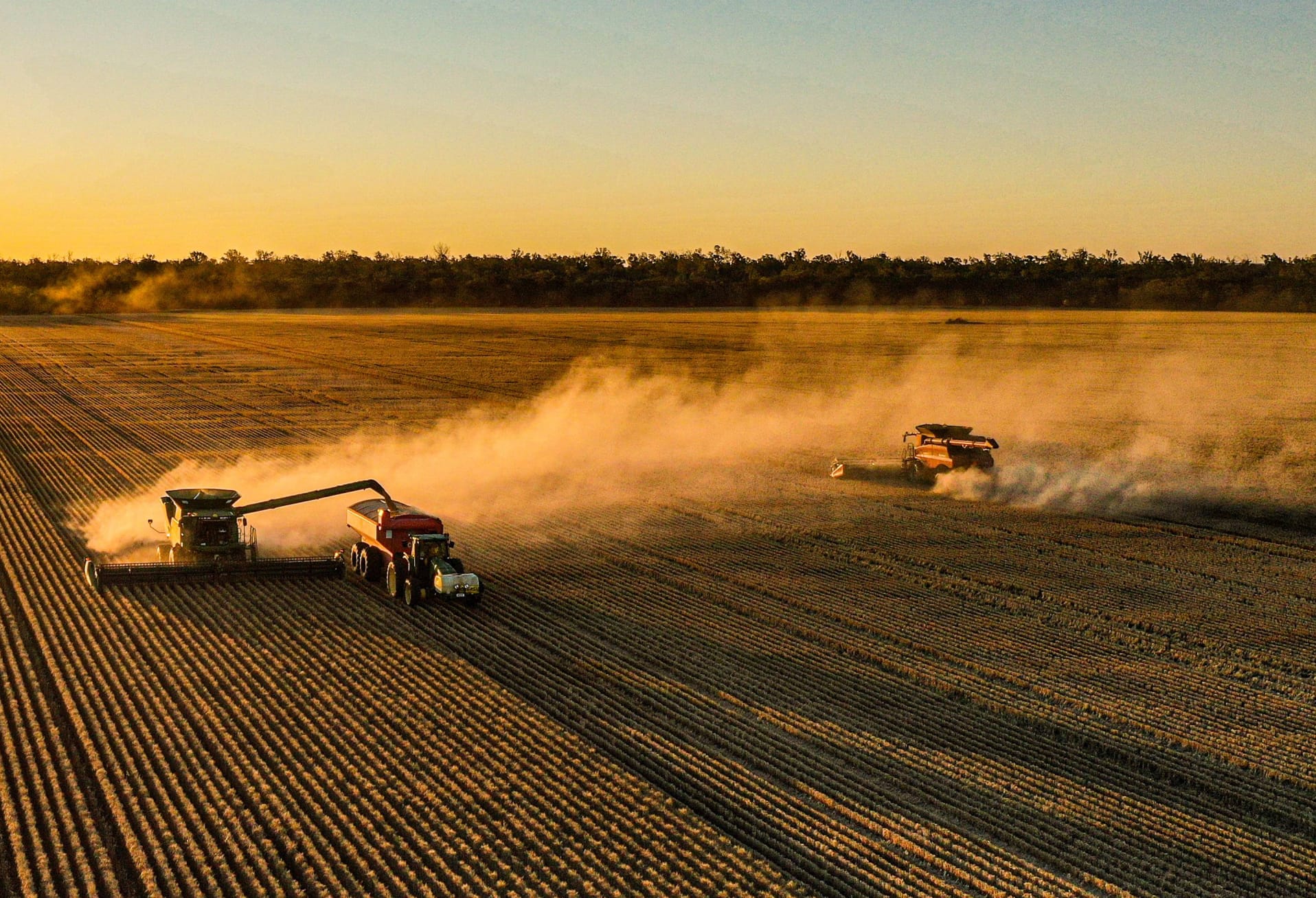


Harvest is one of the most challenging times of the cropping year, and wet conditions increase the pressure so being prepared for grain storage, logistics and marketing are fundamental.
In the past, on-farm storage has been used by farmers to manage fluctuating grain prices and harvest logistics, but is on farm storage always the best way to capitalise in bumper seasons?
Primary Business consultant Chris Warrick explained at the 2016 BCG Main Field Day that the best form of storage is the one that suits the farming system, the type of grain being stored and the length of time it is stored.
Doing a cost benefit analysis of any future investment in on-farm storage is a must, because there are many fixed and variable costs that need to be considered.
While there are a few main variable costs associated with on-farm storage, the amounts will vary year to year. For example, fumigation costs for silos are only incurred when there is grain in the silo that needs to be treated which may not be every season.
Fixed costs are those that don’t change from year to year, for example interest rates on any financial capital invested, depreciation and opportunity costs. These need to be covered year to year until the storage is paid off.
Knowing these costs is vital in determining a return on investment figure. Return on investment is the percentage figure used to compare different investment options and takes into consideration profit made with the amount spent on the investment.
When considering on-farm storage, the opportunity cost needs to be factored into the equation. The opportunity cost is the foregone benefit, or profit, that could have resulted when using the financial capital spent on purchasing the storage in another activity. This activity can be as simple as leaving the money in the bank or paying off another loan.
For example, the opportunity cost of making repayments on the farm loan would be the amount saved on interest. Therefore the return on investment of the on-farm storage would need to be more than the amount saved in interest to be a worthwhile capital expenditure.
There are also costs that are hard to account for as it is difficult to put a monetary figure on them. For example human aspects like stress and fatigue, and environmental which can be accidental or come as a consequence of an action.
When determining what on-farm storage to purchase, consider the extra time effort and stress this may cause, because ultimately it may be better mentally and physically to pay a little bit more for the peace of mind.
For more, listen to Mr Warrick’s presentation from the BCG Main Field Day (linked below).
As part of the GRDC storage extension project, a simple cost benefit analysis spread sheet can also be found on the stored grain website.
An explanation on different economic principles associated with investment decision-making is available on the CropPro website.
https://soundcloud.com/bcg-birchip/bcg-main-field-day-doing-the-sums-on-grain-storage-chris-warrick