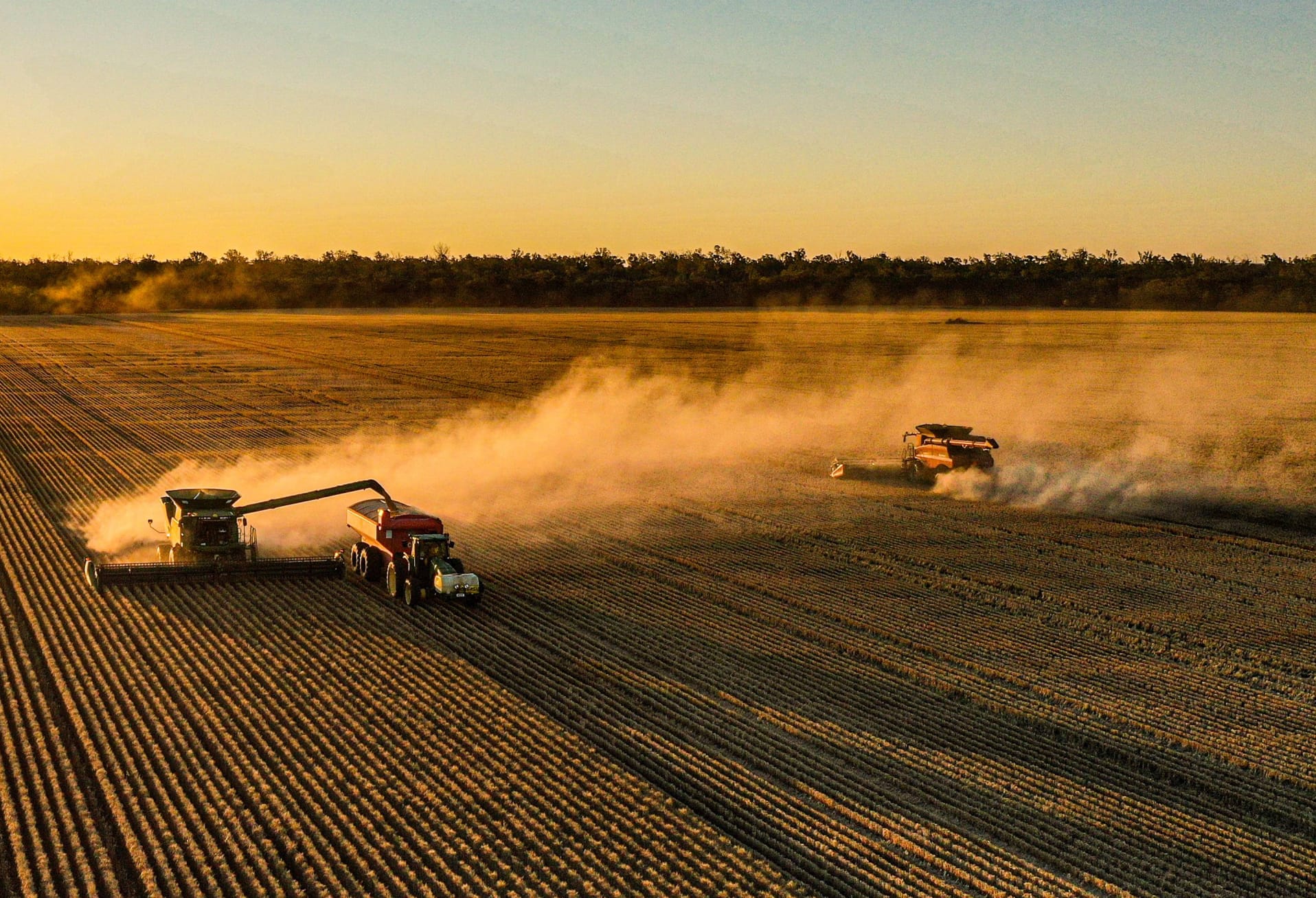


While most weather models are not indicating an overly wet harvest period, making plans to avoid any inclement weather can help to alleviate stress if rain does fall this harvest.
Unfavourable weather conditions during the grain filling period and throughout harvest can result in sprouting in cereal crops, leading to price downgrades (due to poor grain quality).
In malting barley, sprouted grain can decrease its ability to germinate during the malting process, leading to undesirably high levels of beta glucan. In 2010 we saw large amounts of rainfall, up to 150mm falling during the harvest period, which caused significant damage to cereal crops in the northern and southern Mallee in northern Victoria.
Varieties can differ in their tolerance to pre-harvest sprouting and are influenced by factors such as the amount, timing and duration of rain events (Mares 1993), environmental conditions, architecture of the plant and seed dormancy.
Grain that has sprouted is not suitable for malting or sowing the following year because of a loss of seed viability, reduced capacity for long storage time and decline in feed value.
BCG conducted trials in 2014 and 2015 in the Northern Victoria at Wemen, under overhead irrigation sprinklers to simulate ‘rainfall’ events at harvest. The trials included three different harvest timings and three different water treatments (combination of actual rainfall and irrigation).
Falling numbers and grain quality was tested on six malt (or pending malt accreditation) varieties. A falling numbers value below 300 seconds is unacceptable for malt barley.
The trials concluded that Scope CL is the most tolerant variety to sprouting, incurring the highest falling numbers in the presence of rainfall at harvest.
Spartacus CL, La Trobe, Commander and Hindmarsh were the most susceptible to sprouting (low falling numbers) when subjected to wet weather at harvest and in favourable conditions. Grain quality also (test weight and retention) reduced as harvest was delayed by rainfall.
BCG research also revealed that the environmental conditions that rainfall occurs in, is more influential than total amount of rainfall. Barley was also more susceptible than wheat in BCG sprouting trials and severely lodged plots were also more susceptible to sprouting as extra moisture is likely to be retained in the canopy for longer, providing a humid, moist environment suitable for sprouting to occur. This could pose a potential risk this harvest with a lot of lodging occurring in heavy barley crops.
Although farmers commonly worry more about their wheat when it rains at harvest, it is often better to prioristise barley crops because along with an increased sprouting risk they are also susceptible to head loss and lodging.
BCG’s barley research has been carried out through the GRDC-funded project ‘Barley agronomy for the southern region’ (DAN00173).