
When we started planning for 2026, I don’t think many of us expected the season to unfold the way it has.
At the start of the year, there was plenty of uncertainty:. Fuel and fertiliser prices were high, and many growers were questioning how much to invest and whether it would pay off.
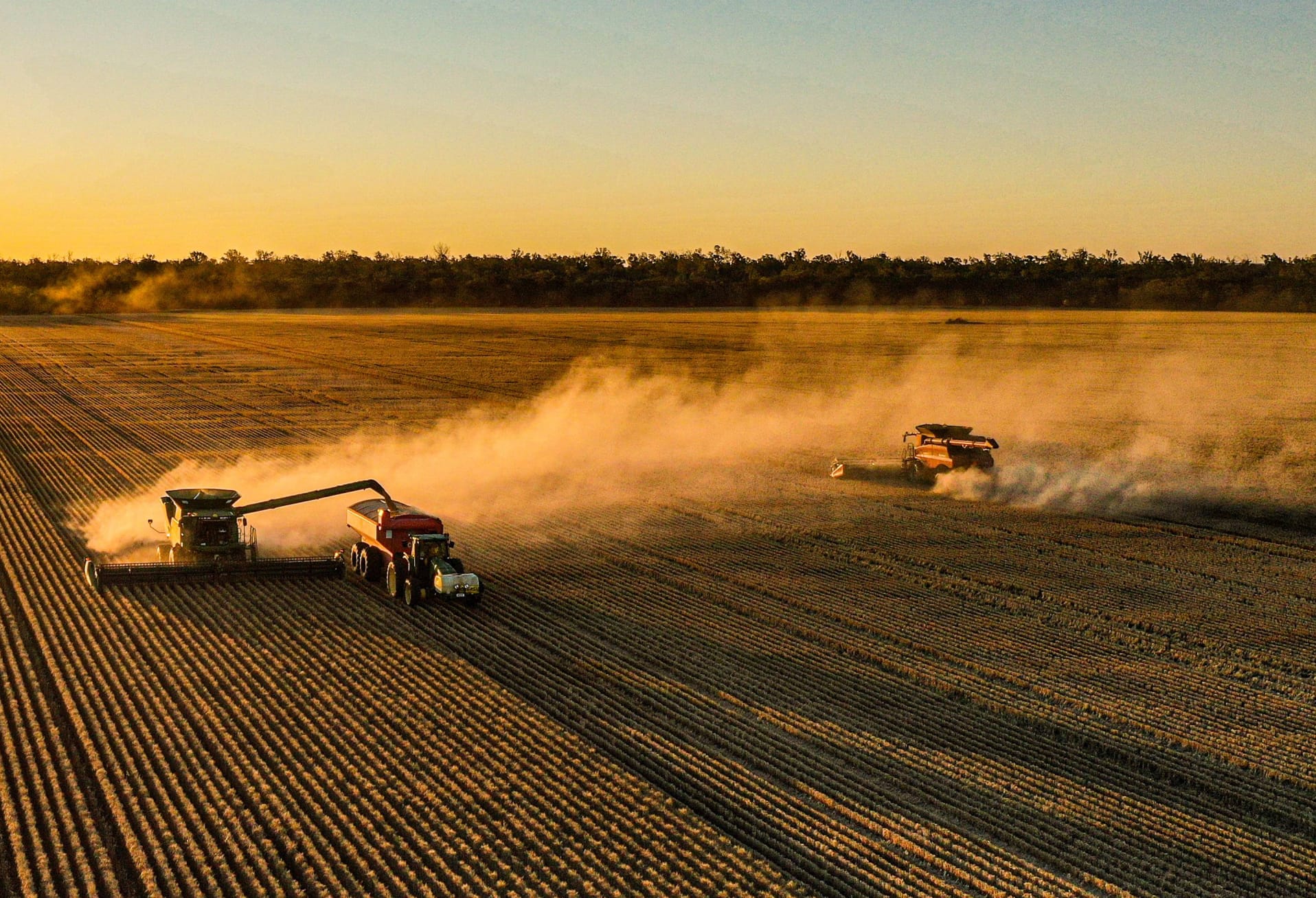
Fast forward to today, and the season has taken a very different turn. With the rainfall we’ve received, those fertiliser decisions are proving worthwhile. Now it’s about being able to respond to each rainfall event, make timely decisions and continue setting crops up to reach their full yield potential.
On our family farm, we’re feeling optimistic. Rather than asking if we’ll need fungicides, we’re asking when. We’re also thinking about the possibility of a wet finish, which certainly wasn’t on our radar a few months ago.
That’s why I’m looking forward to BCG’s Main Field Day. Every season presents new challenges, and this year is no different. It’s a great opportunity to hear from researchers and other growers to ask questions and take home ideas you can apply on your own farm.
I’ll be there for the opening session with Jane Bunn at 9.00am. With so much discussion around this year’s weather patterns and the “super” El Niño, I’m looking forward to understanding this more.
Looking through the program, there are plenty of sessions that stand out to me. I’m particularly interested in the wheat and barley variety choices 2027 sessions. I’m increasingly interested in taking more of a systems based approach to managing crops rather than being reactive so I’ll be finding out more about which varieties offer the best yield, herbicide tolerance and disease management package.
The Integrated pest management session is another one I’m keen to attend. It’s easy to add an insecticide to the spray tank because it’s convenient and relatively inexpensive, but that doesn’t always make it the best decision for the farming system. Learning about more control method opportunities including beneficial insects and their economic thresholds.
I’m also looking forward to the Pulse variety options and management session. Getting these crop types right is becoming increasingly important, not only for profitability, but also for the nutrition they return to the soil and the role they play and the break they offer for ryegrass management and other difficult grass weeds.
And, like plenty of growers, I always enjoy a good soil pit session. There’s nothing quite like getting below the surface, seeing what’s happening in the profile.
It’s shaping up to be a fantastic day with something for everyone. I hope to see you there.