
High rainfall in 2026 has led to high biomass in crops, roadsides and around homes.
Because every farm and farming business operates differently, each property requires a unique approach to fire preparedness. Fires can impact rural properties rapidly and cause devastating damage. Developing a comprehensive plan, and actively undertaking maintenance tasks, ensures farmers are better prepared to protect their assets and can recover much faster if affected by fire.
A well considered plan protects your home, livestock, and vital farm infrastructure. Here are five practical steps to ensure your property is prepared this fire season.
- Have a plan (and a map)
Do not rely on memory when stress levels are high. All farmers need a written emergency plan that accounts for family members and employees, as well as livestock and pets.
Your plan should clearly identify the triggers for when to leave, what to take, where to go, and your strategy for staying to defend, including what to do if it becomes too late to safely evacuate.
A critical element of this plan is a detailed farm map. Your map should clearly identify:
- Critical assets and fuel storage areas
- Water sources and access points
- Assembly or evacuation zones and clear exit routes
- Stock refuge areas, such as containment lines, laneways, or grazed-out paddocks
- Key emergency phone numbers
- Any hazards
Make multiple copies of this map to share with family and staff, and place them in highly visible, easily accessed areas like workshops and vehicles.
- Get your farm books in order
Documenting your farm assets ahead of the fire season is a vital part of emergency management. Having an up-to-date asset register and insurance policy will significantly expedite the claims and assistance process following a fire.
Your inventory should list all significant assets, including:
- Infrastructure, buildings, and sheds
- Machinery, crop, tools, and electronic equipment
- Fencing and gates
- Livestock numbers and types
- Stored grain, and chemicals
A simple way to compile this register is to walk the property taking photos on your phone. Take note of the model and serial numbers, purchase dates, original costs, and current valuations. Keep digital copies stored securely off-site or in the cloud.
- Clean up
With substantial spring weed growth across the region, take the time to mow, slash, and whippersnip heavily around your house, sheds and roadsides to create clean breaks. As an added benefit for safety, keeping the grass low around the farm makes brown snakes much easier to spot!
- Manage operational risk on hot days
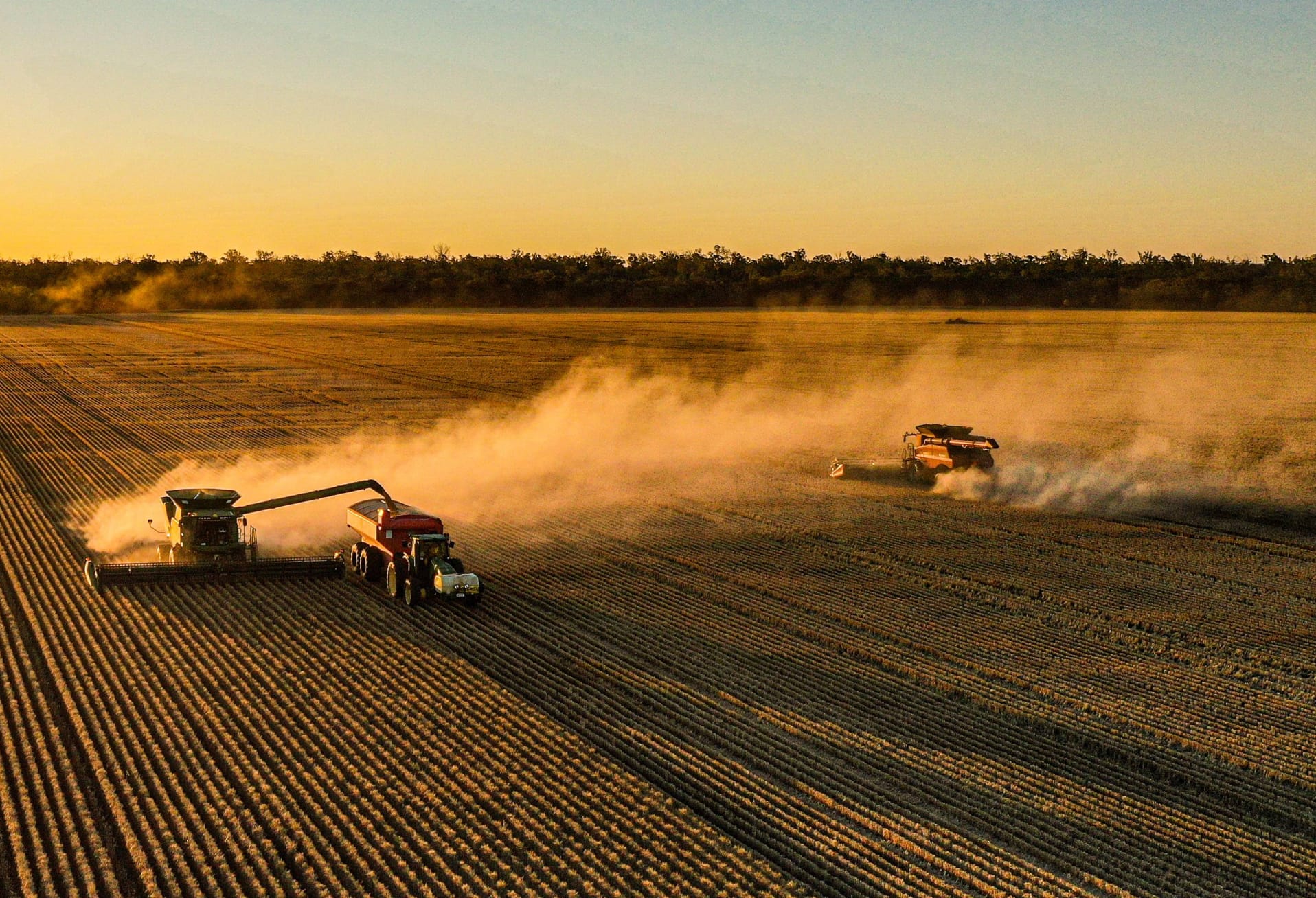
With a large harvest on the horizon, the pressure will be on to get grain off the paddock as quickly and efficiently as possible. It is easy to fall into the trap of pushing hard to beat the weather.
However, operating harvesting equipment on high-risk days significantly increases the chance of accidental ignitions. Farmers must closely monitor local Fire Danger ratings and harvest cessation alerts. When weather conditions hit critical regional thresholds, operations should stop. Saving a few tonnes of grain is not worth risking a machine, a crop, or a life.
- Firefighting gear and service
Faulty equipment is a primary cause of fires during harvest. Ensure all farm machinery and firefighting units are fully serviced, tested, and operational before summer peaks. Supply all farm vehicles with a fire extinguisher, pure wool blanket, first aid kit, UHF radio, and a mobile phone charger.
Resources that can assist you with your planning
- Agriculture Victoria’s farm Fire preparedness toolkit with checklists and templates of tasks to complete before the fire season.
- the CFA Farm Fire Safety information to assist farmers and land managers manage fire risk on-farm and undertake pre-season bushfire planning.
- Click here if you would like to print out the checklist: Fire preparedness checklist [MS Word Document – 35.6 KB]
All information is sourced from: https://agriculture.vic.gov.au/farm-management/emergency-management/bushfires/fire-toolkit
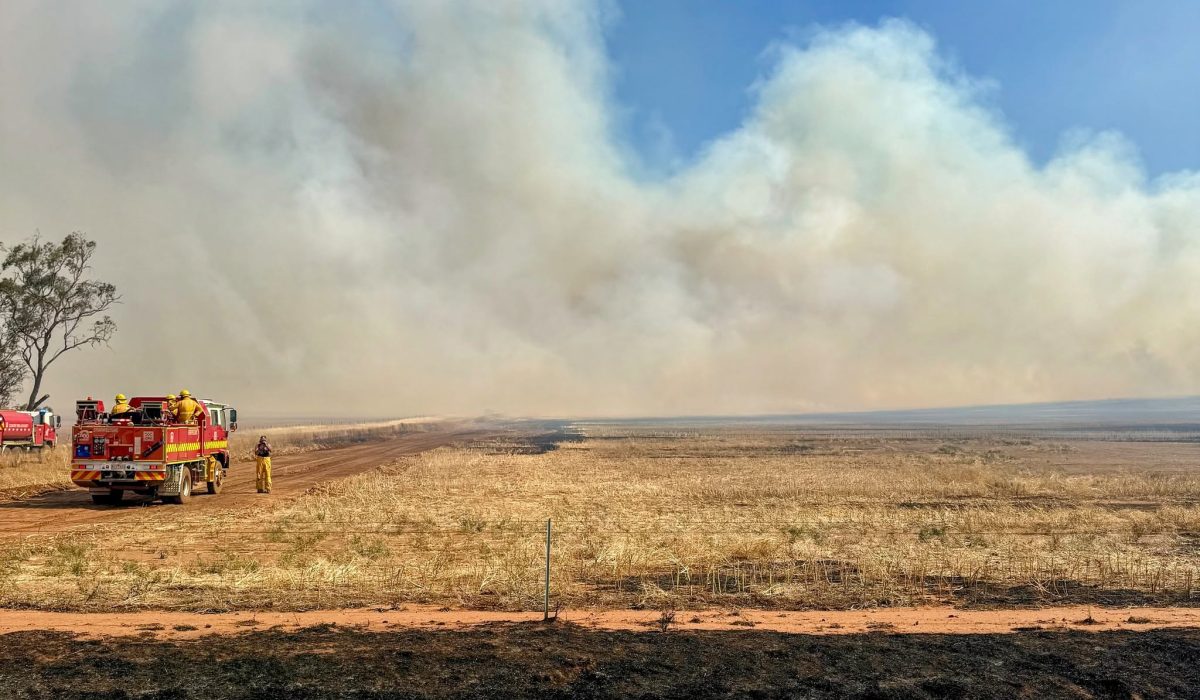
Image credit: Lockwood Fire Brigade (FB)