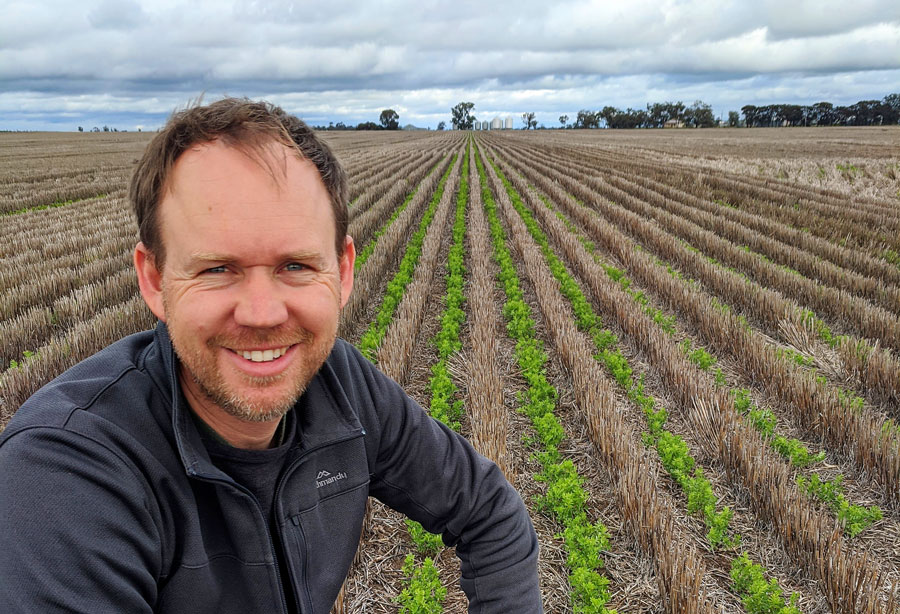
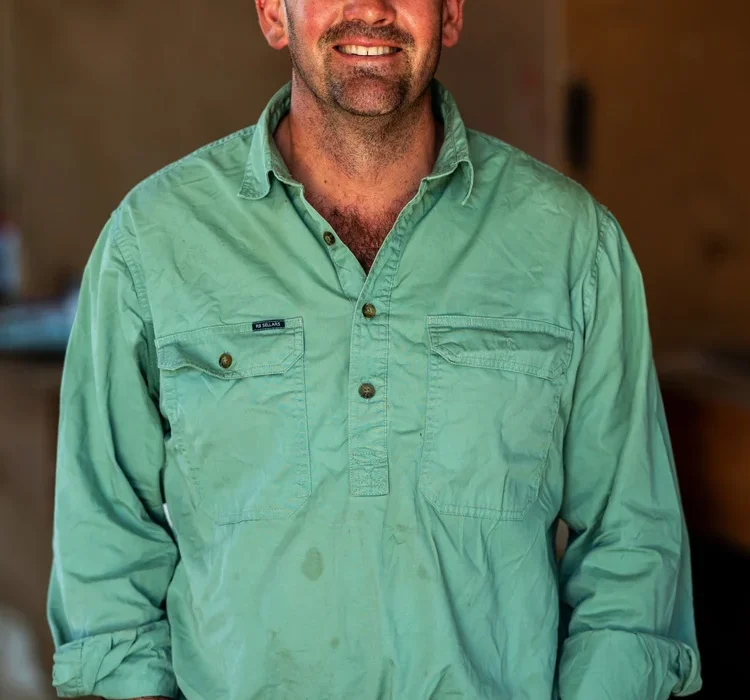
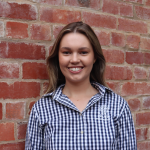
At a recent BCG event in Jarklin, Serpentine grower Will Hooke shared his experience being a participant in the AgVic on Farm Emissions Action Plan Pilot program.
Tell us about yourself
I’m a fifth generation farmer based near Serpentine, where I live on the farm with my wife and our three children. Together with my extended family and our team, we operate Willera Merinos.
My brother and I run the business alongside a great team and have a strong interest in innovation and future proofing our farm, particularly in the carbon and climate space.
What does your farm operation look like?
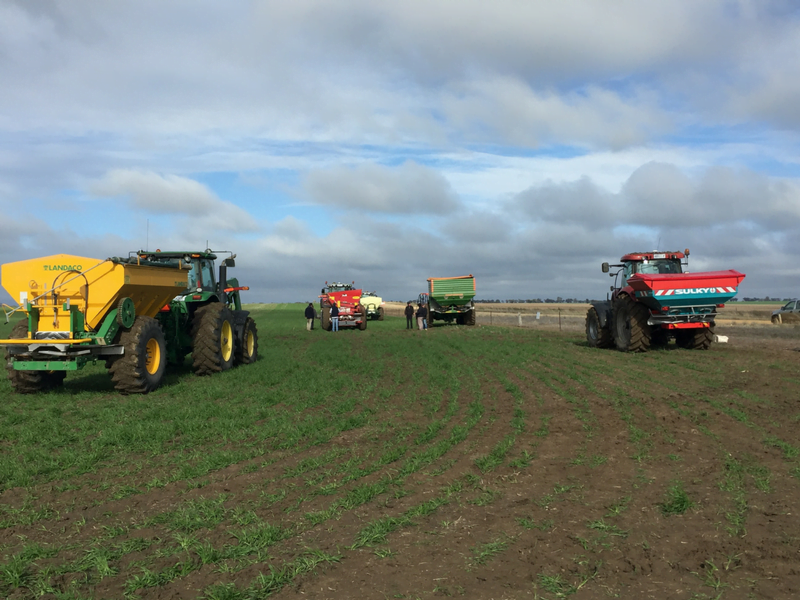
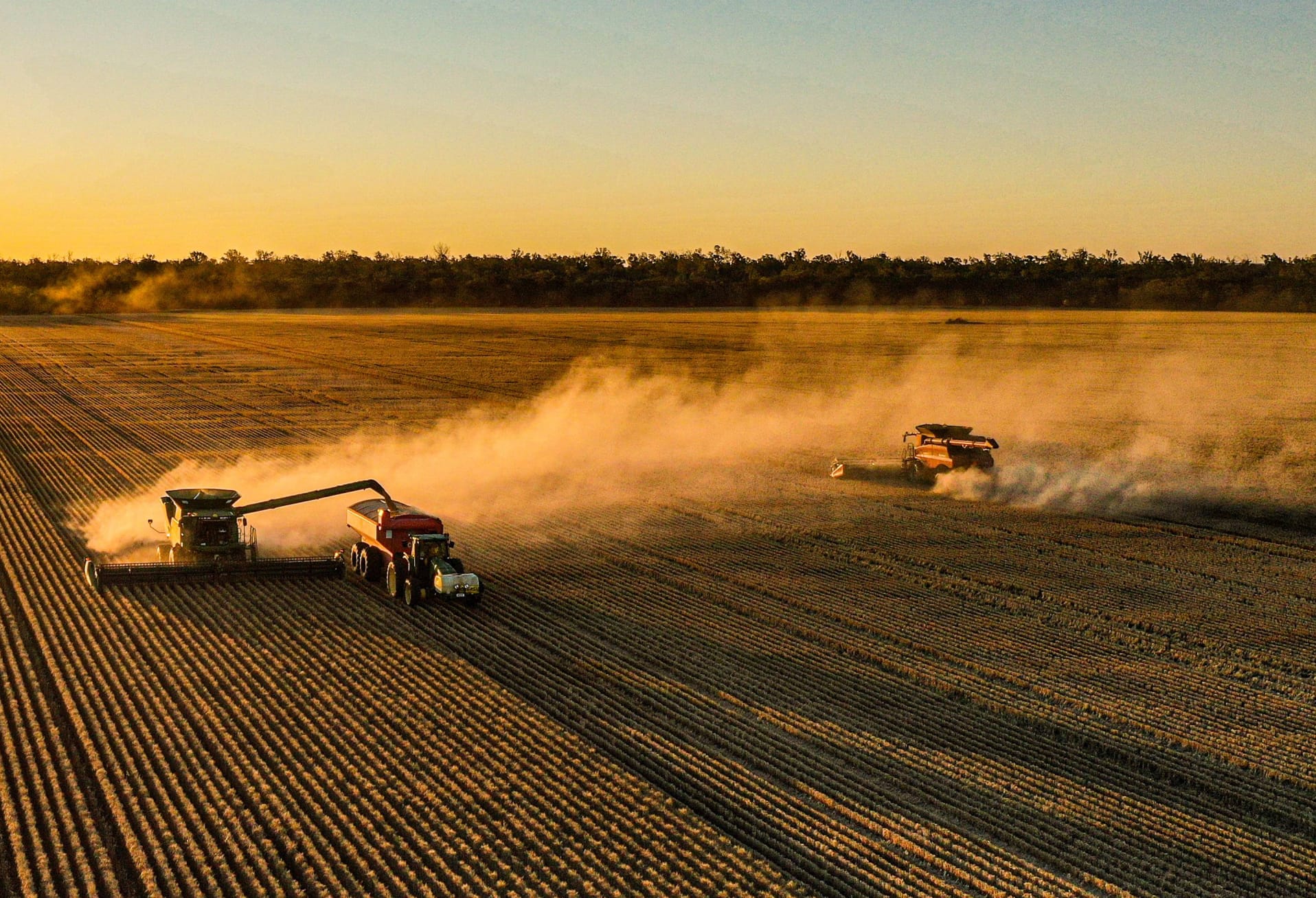
Willera Merinos is a multi-generational, family owned mixed cropping and sheep enterprise built on a strong commitment to sustainability, high quality production and people.
We are a family operation. We have worked to grow the Willera business, expanding into multiple locations across VIC and NSW. Through investment in technology and innovation, we continue to strengthen our Merino genetics and drive greater on-farm efficiency. We breed Merino sheep which are ethically raised, climate resilient and can take advantage of three diverse income streams; fine merino wool, prime lamb, and meat production.
You recently shared your experience participating in the Ag Vic On-Farm Action Plan pilot program. What were your takeaways?
We’re committed to working towards a climate positive position. We recognised that this is the direction global markets are moving, and we want to be conscious of our impact on the environment.
We’ve participated in a number of carbon and emissions initiatives designed to help us better understand our on-farm footprint and develop a clear pathway for emissions reduction.
Through the Ag Vic on-farm action plan pilot program, one of the most significant takeaways was that around 80% of our emissions came from methane produced by our livestock. That insight alone reinforced the importance of having accurate, farm specific data.
Another key takeaway was the importance of “knowing your number”, understanding your farm’s emissions profile so you can make informed decisions and have credible conversations with supply chain partners. You don’t need perfect data to begin; starting the process helps identify gaps, strengthens record keeping and builds confidence over time.
What do you love about farming?
One of the things I value most about farming is the opportunity to continually improve, whether that’s through adopting innovation, refining our systems or learning something new each season. There’s always room to do things better.
I enjoy the challenge of managing a diverse farming system. Balancing livestock, cropping and irrigation keeps things interesting and requires constant adaptation.
Above all, the greatest highlight is being part of a fifth generation farming business and working alongside my family everyday to build something that will continue in the future.
Drought is an inevitable aspect of the climate we farm in. How is your farm business preparing for future droughts or financial shocks?
Having a strong understanding of our business numbers, including our carbon emissions, supports more informed and confident decision making. Knowing where we stand allows us to plan ahead and manage risk more effectively.
Our investment in solar helps reduce input costs and limit exposure to energy price volatility. We see carbon and sustainability initiatives not only as a market expectation, but also as a financial opportunity.
We also use scenario planning tools such as Ruminati to model decisions before committing capital, whether that’s tree planting, enterprise shifts or other system changes which helps us manage our risk.
Looking ahead, we’re exploring soil carbon baselining as a long term strategy to strengthen resilience, diversify income opportunities and position the business to meet future market and climate expectations.
Delivered with funding support from the Commonwealth of Australia through the Department of Climate Change, Energy, the Environment and Water under the Carbon Farming Outreach Program in collaboration with the Grower Group Alliance