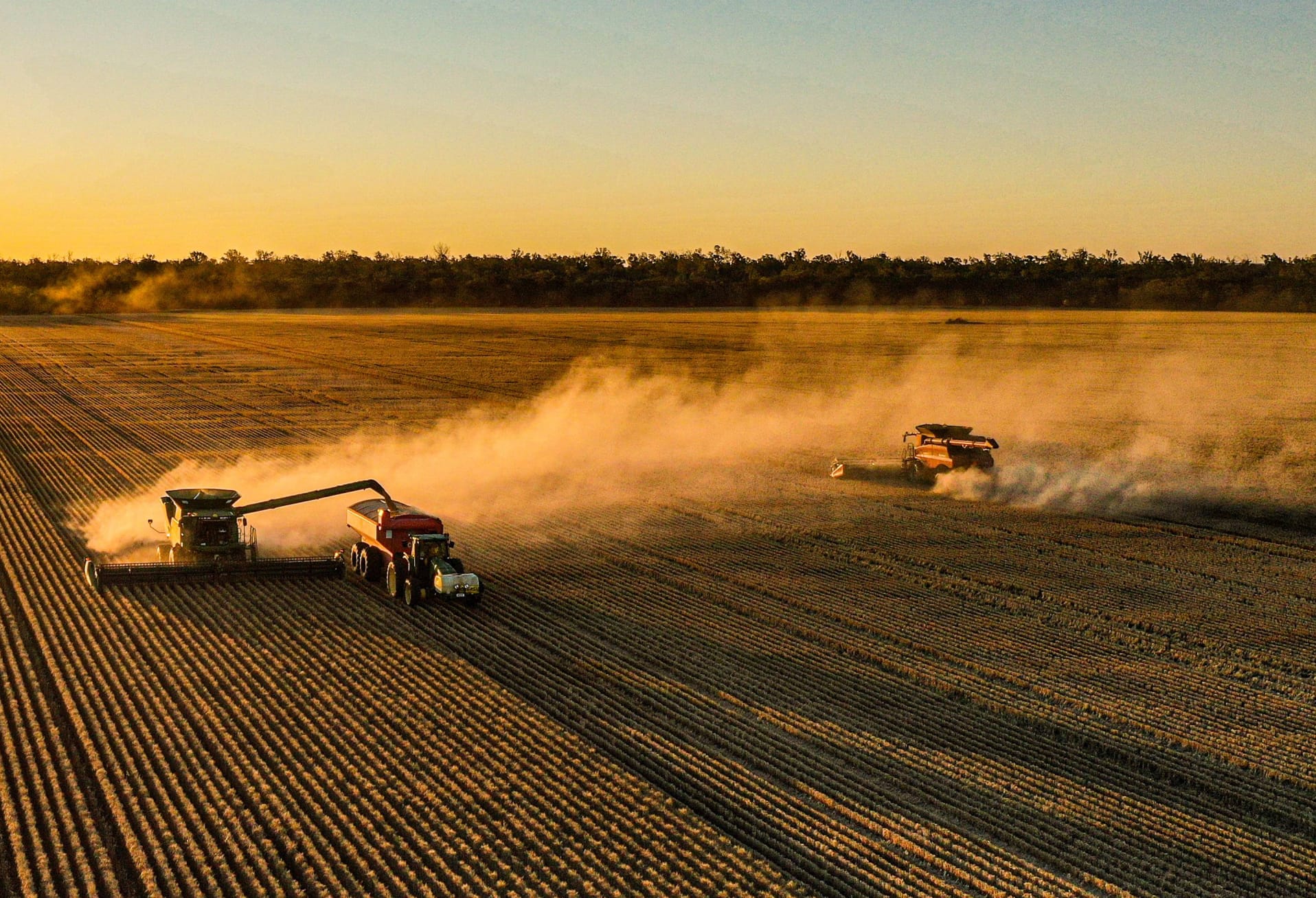
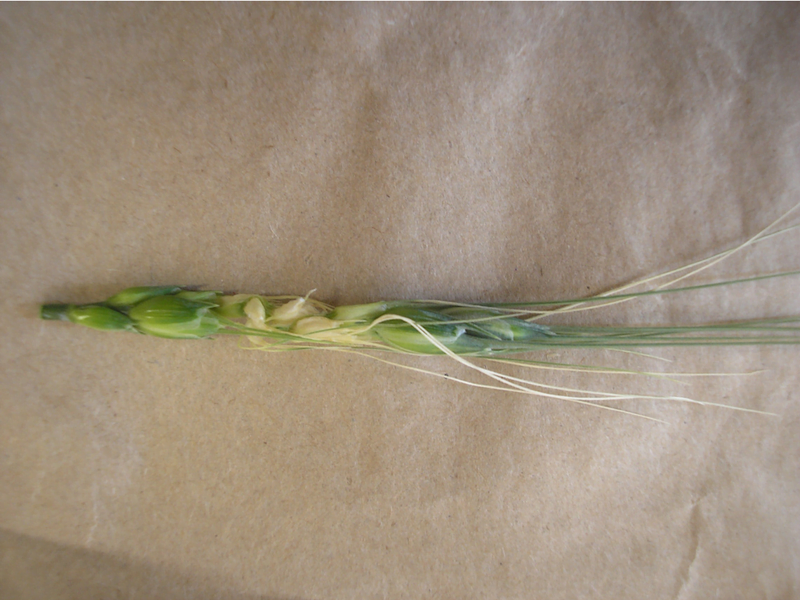

Grain growers have welcomed an excellent start to this cropping season, however the threat of frost and/or heat shock is a serious consideration that is likely to influence seasonal outcomes and crop management decisions.
According to BCG research and extension officer De-Anne Ferrier crops in the Wimmera and Mallee were looking exceptionally good, but there were a few more challenges to negotiate before the season could be declared a success.
“Good rainfalls and warm weather in the late autumn and early winter saw crops jump out of the ground and motivated fast growth,” she said.
“But how crops might respond if an El Nino develops and conditions become less favourable remains to be seen.
“And the threat of frost and heat shock, given the growing season so far and available soil water, is making input decisions challenging.”
Attempting to find ways to help growers manage the frost risk, BCG is currently taking part in a GRDC initiative examining how frost impacts grain production and management strategies that can reduce crop losses.
Research has suggested that frost has become one of the most significant risks to broadacre grain production in Australia with recent estimates putting the economic cost (for wheat and barley) up to $63million (Fellowes, 2006).
BCG research officer Kelly Angel said there are several factors that have made modern cropping systems more prone to frost including earlier sowing dates and the uptake of mid-season varieties more likely to flower during the most frost prone months.
Additionally minimum tillage and stubble retention has led to a change in soil structure, meaning that the soil is softer and covered by stubble mulch.
This, in conjunction with better adapted varieties and agronomic practices that see increased crop canopy closure, limits the ability of the soil to capture heat during the day and radiate soil stored heat at night to reduce the severity of frost.
Drier spring conditions, which have been a more common occurrence over the past decade, also have an associated increased frequency of frost, with an average of five more days of frost in September 2000-2010, compared to the previous 10 years in the Western region (Steve Crippers.comm).
This year BCG is running large scale (1ha) research trials at Lubeck and Hopetoun to investigate how stubble load (slashed/mulched and burnt/removed) and architecture (standing and horizontal), as well as crop architecture (eg. skip row seeding), influence frost intensity and duration.
The trials were sown on April 28 and 28 with standard farm scale equipment, taking advantage of yield mapping technology and as of June 25 were at GS31.
For more information about BCG’s frost management research, phone Kelly Angel on (03) 5492 2782.