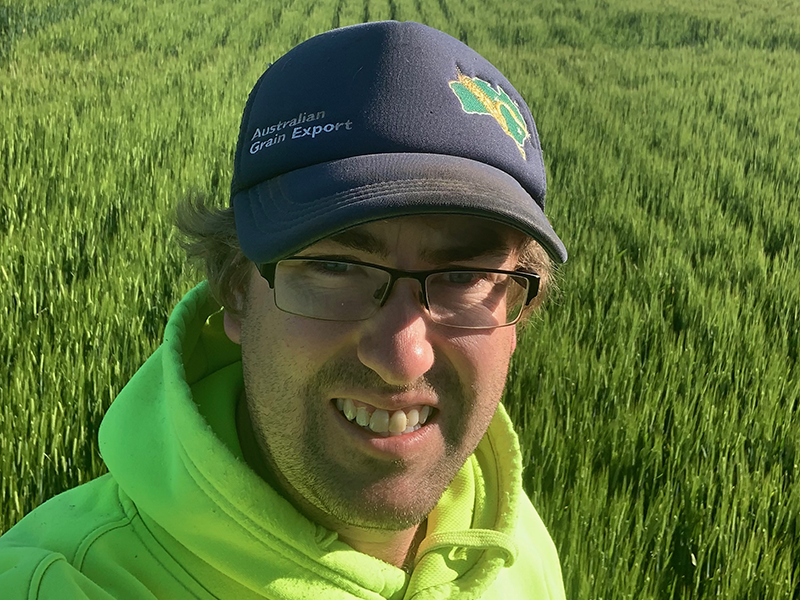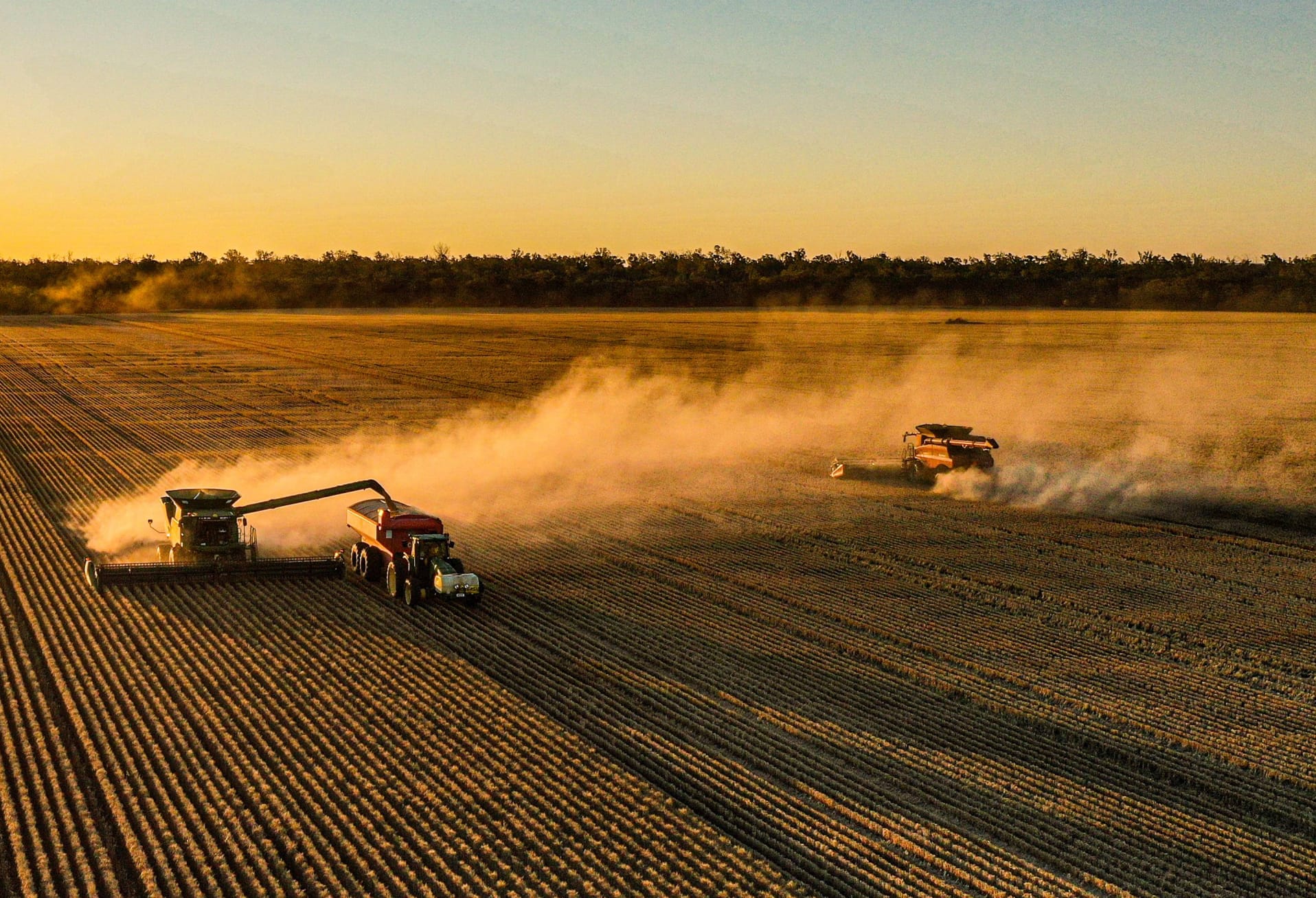
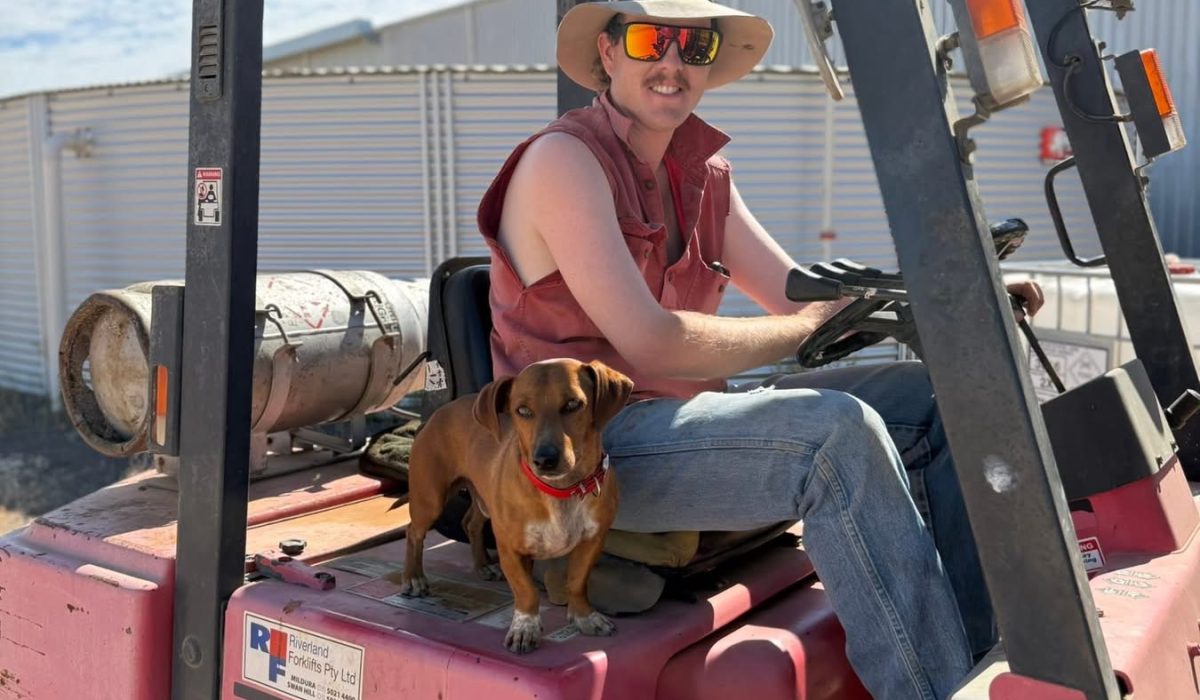

We recently caught up with Ninda farmer Harley Mott. Based near Nandaly, Harley shared an update on how the season is shaping up on his farm.
Tell us about yourself, where you grew up, how you came to the farm, and what your role is today.
I grew up on our family farm at Ninda, with our main farming operation based at Turriff East. As far as I can remember, I was always out on the farm with Dad or my grandfather, Digger, lending a hand wherever I could. Most weekends and after school hours were spent working or simply sitting in a machine with someone.
I started working independently when I was around 15, beginning with spreading urea and rolling lentils before progressing to spraying, which became my primary role since school. After finishing Year 11, I joined the farm full time at the age of 17.
My main role now involves managing the spraying even if I’m not in a machine, helping dad with the managing of the trucks moving grain and also doing a bit of the bookkeeping.
What does your farm operation look like?
The farm operation is 100% continuous cropping. We farm wheat, barley, lentils, lupins and some vetch hay. Oaten hay and canola has been in the rotation before, but not consistently.
How did sowing go? How is your program shaping up so far?
Sowing looked very different this year thanks to great subsoil moisture, following 150–170 mm of rainfall across the farm at the start of March. We had a good kill on all paddocks weed wise, so the pressure for pre-emergents was off, which has helped keep the paddocks clean so far.
The moisture meant the crops germinated within just a few days of sowing, so things were spread out, allowing us to get a good start on rolling and spraying post sowing.
Although crops are well advanced for this time of year, we are still happy with everything and it’s shaping up to be a good year. It is only early, so that is subject to change still.
What are you watching over the next couple of weeks?
The wet conditions have us keeping a very close eye on disease. Fungicides will be applied over the next month over most of our crops. At the moment, we’re looking for mould on lentils and vetch, haven’t seen any yet but just watching out for it before canopy closure.
Are there any practices or equipment that has made a difference to productivity or cost control on your farm?
This year we have focused more on variable rate technology with our fertiliser spreading. Due to the high cost we’ve seen this season with fertiliser, we have tried to make the most of it. We’ve done this by comparing the different zones/soil types with soil tests and creating maps to accurately apply the fertiliser where it needs it, rather than a flat rate or “by eye” method. In future, we will focus more on fine tuning the zones on the maps to continue to make the most of their fertiliser and cutting unnecessary cost.
If El Nino is accurate and there is a dry finish, how is your farm prepared for risk?
El Niño forecast seems to be all the talk at the moment, hopefully we will have enough moisture to get crops through now with good subsoil moisture and consistent rains as of late. We’re consistent with spraying, so we’ve hopefully maintained as much soil moisture as possible.
Frost will be a worry if it does turn dry but with the crops being early and bulky, hay is always an option if it gets hit too hard. We will just have to wait and see how it unfolds.
This project was supported by the Australian Government’s Future Drought Fund.

The Victoria Drought Resilience Adoption and Innovation Hub is a state-wide collaboration of 10 organisations.
Led by the University of Melbourne and with headquarters at UM’s Dookie Campus, the Vic Hub is a Partnership between five farming organisations (Birchip Cropping Group, Food & Fibre Gippsland, Mallee Regional Innovation Centre, Riverine Plains and Southern Farming Systems), four universities (UM, Deakin, Federation and La Trobe), and the State Government (through Agriculture Victoria).
One of eight hubs established nationally under the Australian Government’s Future Drought Fund (FDF), the Vic Hub works to enhance the drought preparedness and resilience of Victoria’s agricultural industries, the environment and regional communities, encompassing broader agricultural innovation. Engaging with a range of industry and community stakeholders, the Vic Hub links research with community needs for sustainable outcomes.