
Trial Update – 30 June 2026
Our 2026 research trials are emerging well, with crops now up and out of the ground despite another wet week across the region.
To give growers a closer look at the work happening in the paddock, we’ll be shining a spotlight on a BCG trial in each edition of eNews. We’ll catch up with our research team to hear what they’re working on, what they’ll be measuring in the coming weeks, and what they’re most excited to learn this season.
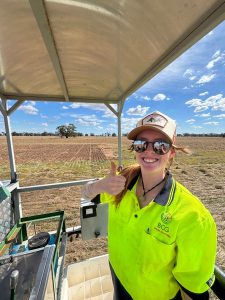
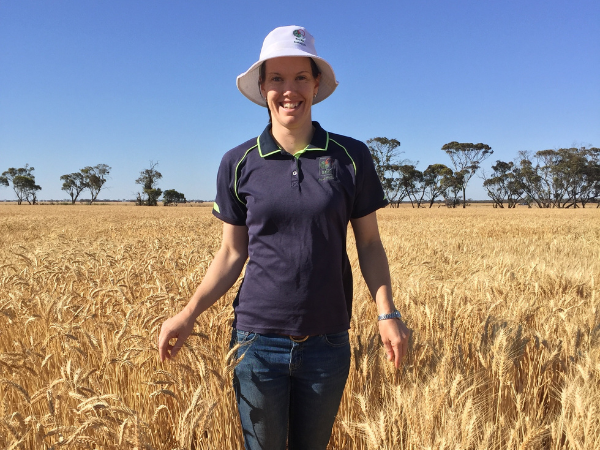
We spoke to Jade, who is the secondary manager on the Phosphorus Use Efficiency on High Phosphorus Fixing Soils trial. This trial is located west of Birchip on Lachy Barber’s property.
What is the aim of the project?
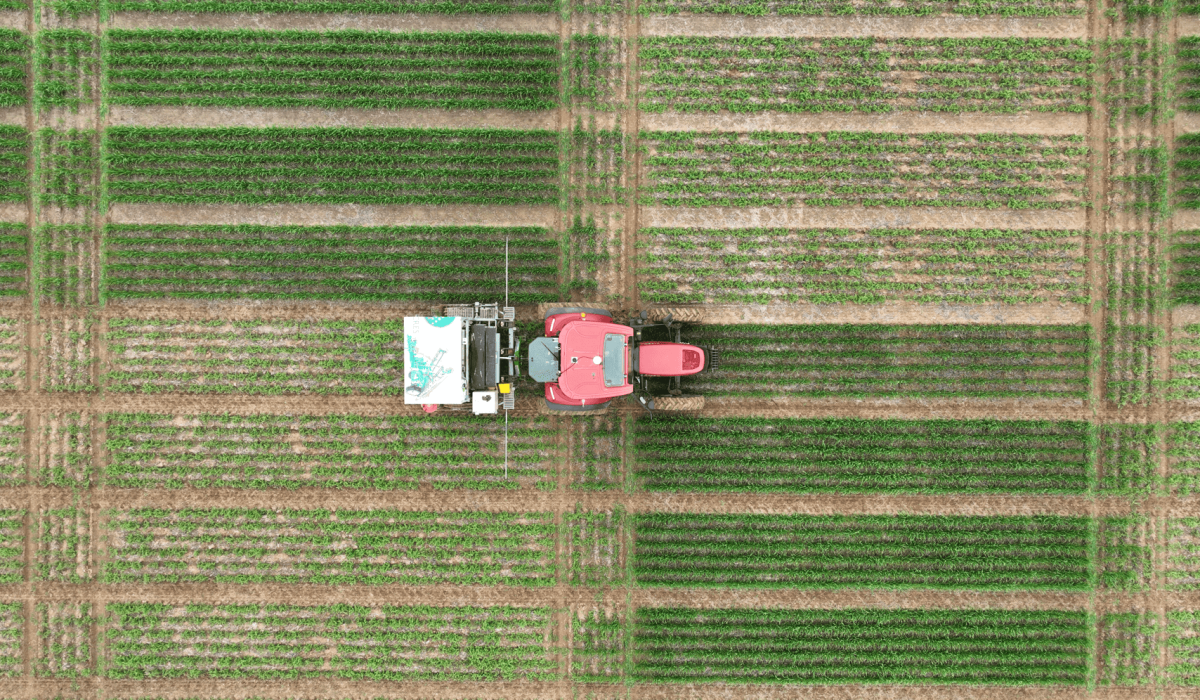
The trial aims to better understand how different phosphorus management strategies affect phosphorus availability, crop performance and overall phosphorus use efficiency within high P fixing alkaline soils in the Mallee. There are three different experiments as part of this project.
- Pre-drilled P response experiment to mimic dry sowing effect, where there is a delay between the time of sowing and crop germination. Phosphorus was drilled into the soil (prior to sowing) at 4 different timings (all 1 week apart), and with 2 different rates of phosphorus applied at each timing (10 and 15 kg P/ha). We want to determine how much P may get ‘locked up’ associated with a delay in crop germination;
- Prior crop effect (Test the effect of a legume phase (vetch) on P liberation potential to the following crop (wheat);
- P rate and product response (testing P response to different rates of P application and to compare efficacy of P source, so looking at comparison between granular MAP and liquid phosphoric acid. Also looking to see if there is any residual P effect from different rates of P application).
What assessments have we done so far?
We have been busy in the field gathering the necessary information for the trial:
- Emergence counts (19/05/26)
- NDVI – handheld (19/05/26, 29/06/26)
- NDVI – drone (04/05/26, 29/06/26)
- Tillering biomass cuts (29/06/26) – we will send them off for tissue analysis to look at P concentration in the plant. This will give us an idea of how well the plants are taking up phosphorus from the soil given the various fertiliser treatments. It can also give us an idea of how P application rate and timing affect P uptake in the plant, and if different forms of P fertiliser (liquid vs granular) remain available longer within the high P fixing environments.
What excites you about this project?
One of the most exciting aspects of this project is that we’re already seeing visible differences between the treatments. Some plots are showing noticeably more vigorous crop growth than others, and I’m looking forward to seeing whether those visual differences are reflected in the data we collect throughout the season. It will be particularly valuable to understand just how much these treatments influence crop yield and to share those findings with growers.
It’s also been fun to include some “wildcard” experiments that James Nuttall is running, called the Cola Challenge. It’s a creative way to engage the broader community with the research, spark conversations about phosphorus fertilisers, and encourage more people to take an interest in the work we’re doing. If you would like to know more information, watch this video James created.
This trial is led by Agriculture Victoria and funded by the GRDC.